Enjoy a 360 virtual tour of Ireland with its warm friendly outlook, rugged landscape, rich history, not to mention the local beer & whiskey
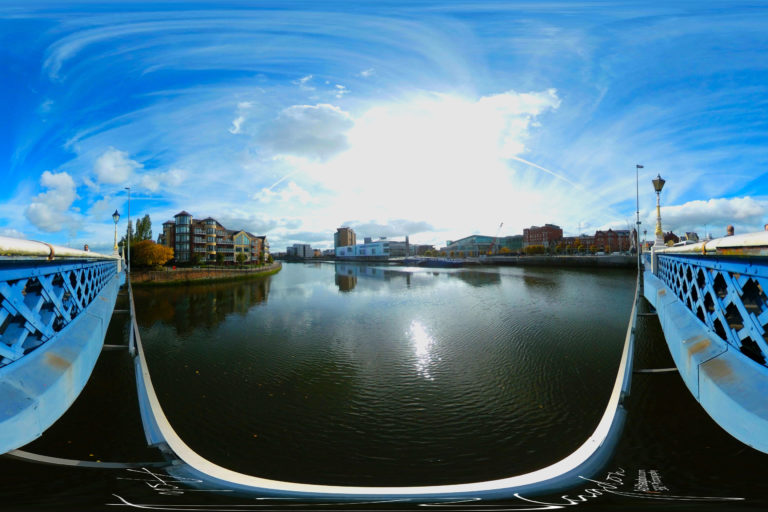
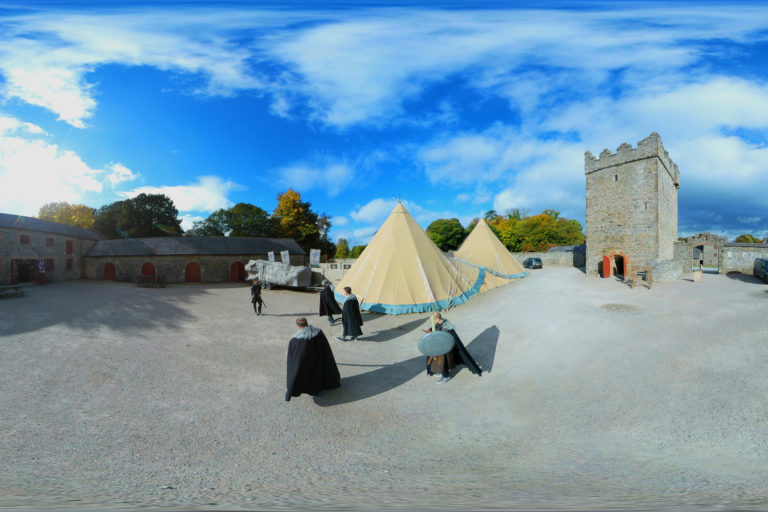
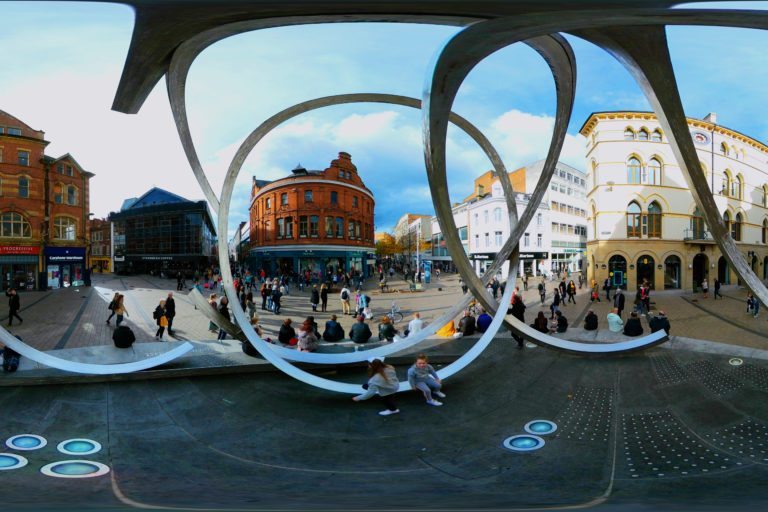
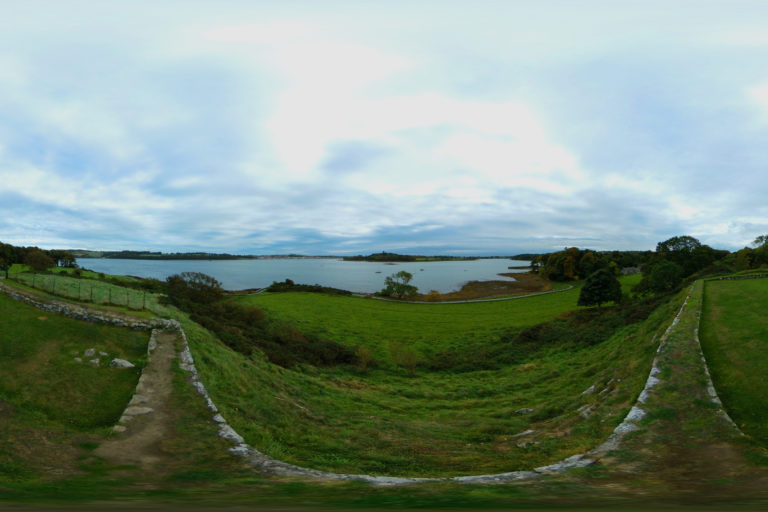
Ireland is a popular tourist destination for visitors from all around the world. A friendly and easy-going place and consistently ranks as one of the safest destinations in Europe.
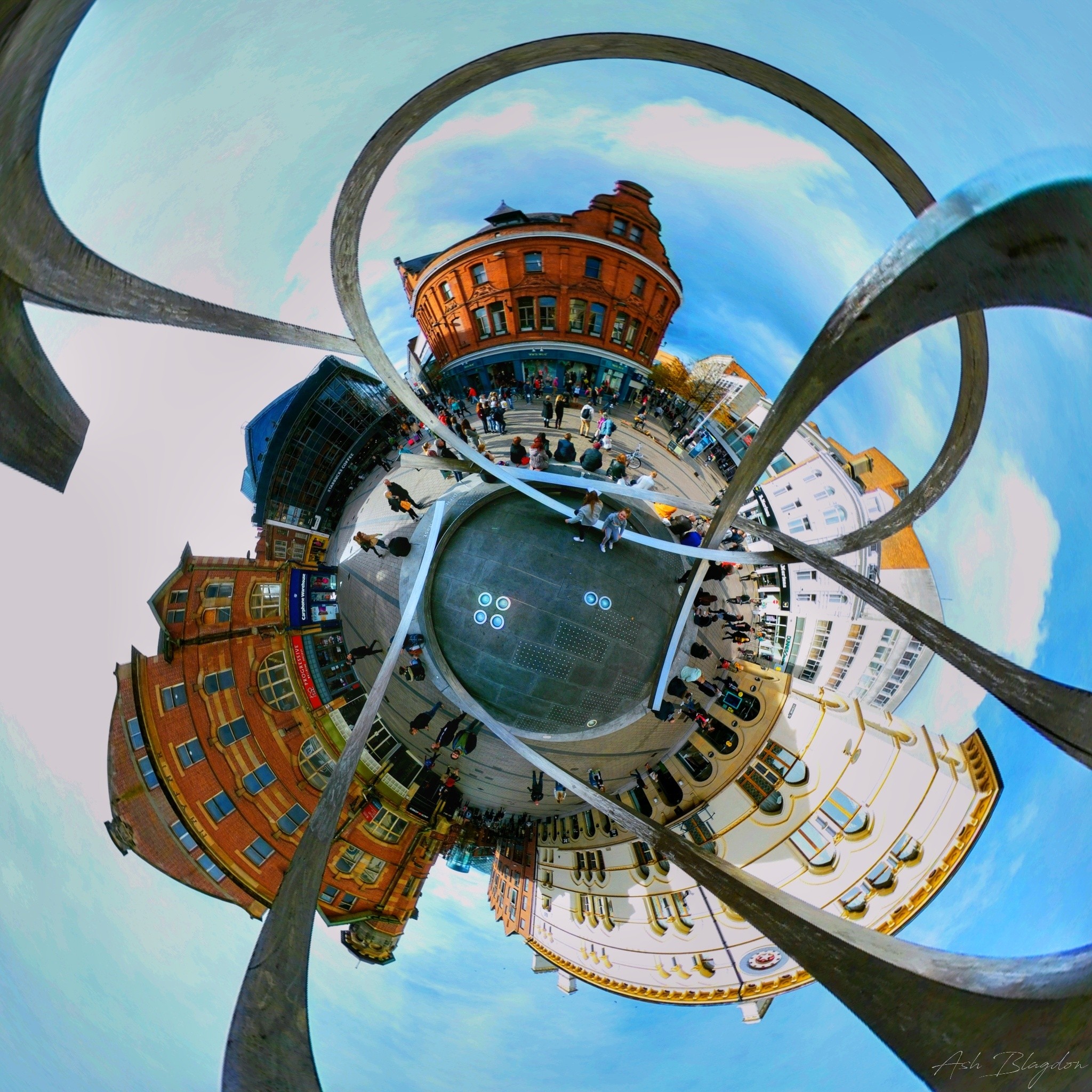
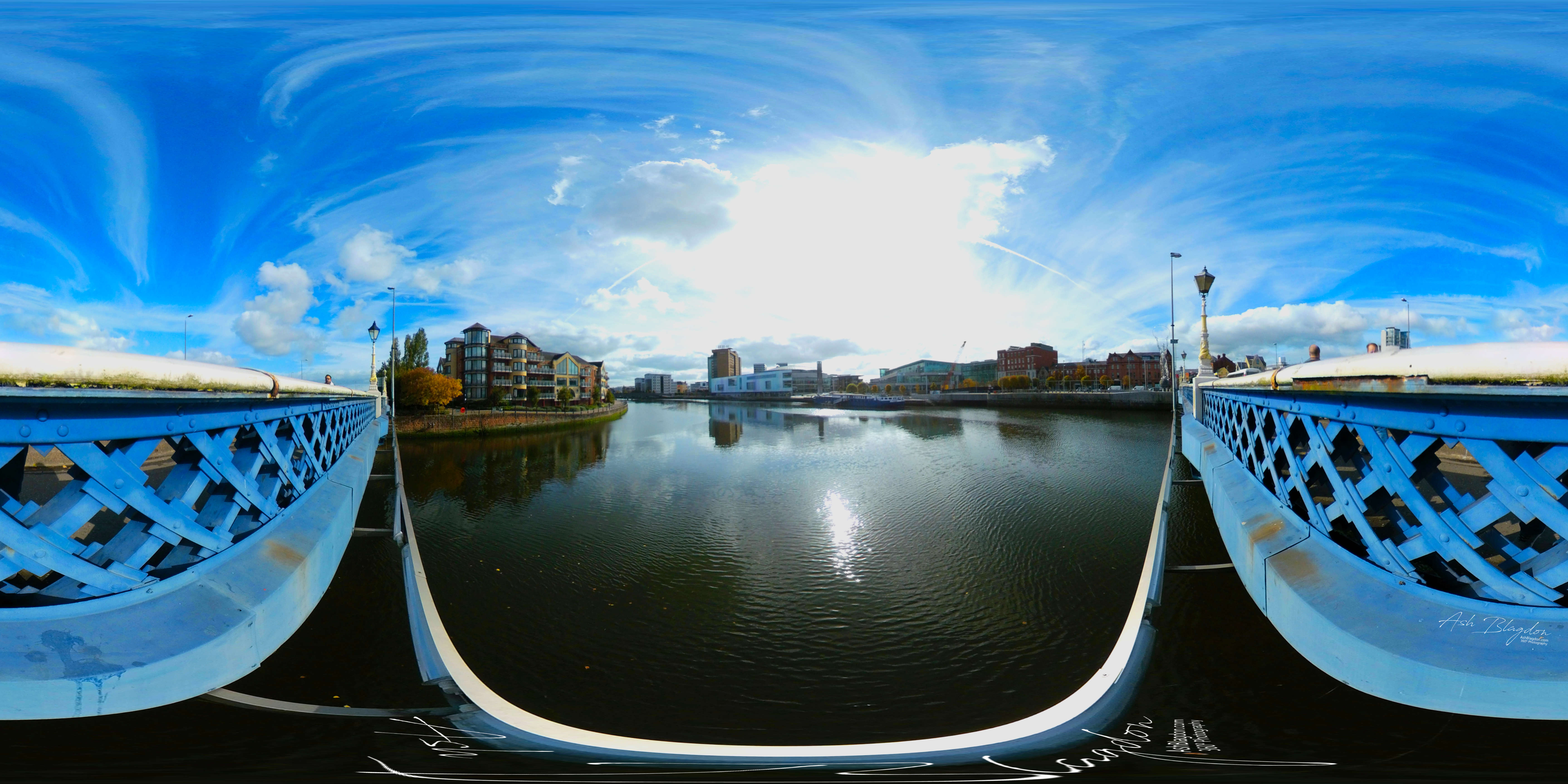
Republic of Ireland
- Dublin is the capital and largest city of Ireland.
- Open since 900AD, Sean’s Bar in Athlone, Westmeath is Ireland’s oldest pub.
- The weather in Ireland is notoriously unpredictable, and it is not uncommon to experience a full range of meteorological conditions in a single hour.
- What currency does Ireland use? The € Euro is the official currency of the Republic of Ireland.
- Is Ireland safe? Yes. Ireland is considered one of the safest countries in the world.
- Once the the Irish Free State, The Republic of Ireland became independent in 1922 as Northern Ireland was created in 1921 when Ireland was partitioned by the Government of Ireland Act 1920.
There’s no shortage of accommodation to suit all tastes and budgets, ranging from luxury 5* hotels to budget 2* starting from £49 to £149 a night, Airbnb, hostels or camping.
When in Ireland it goes without saying you have to have a Guinness or 10, but there are others to try.
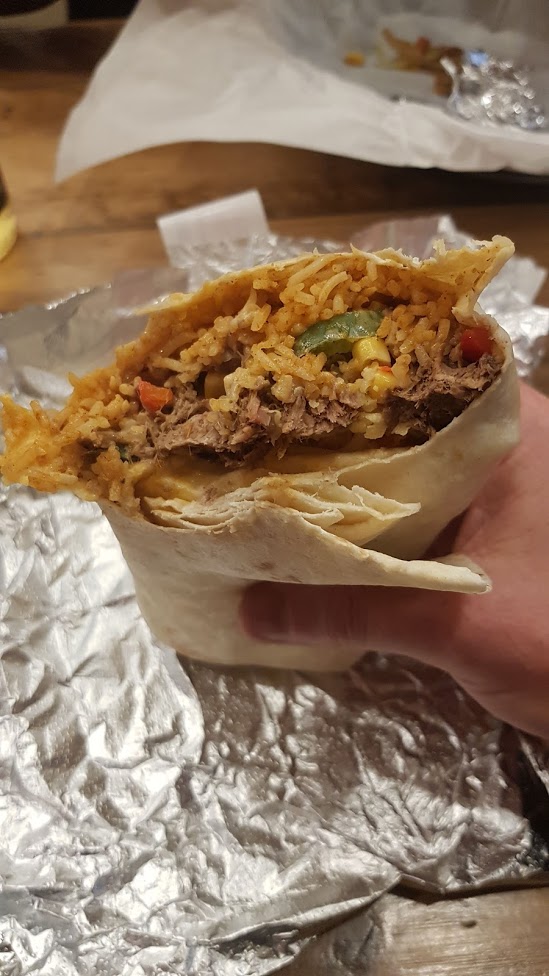
- The Waterford Blaa is a much-loved Irish delicacy, originating from County Waterford. The soft doughy bread is often served as a breakfast treat, but its deliciousness can be enjoyed at any point in the day.
- Cliffs of Moher (Clare): Iconic, dramatic sea cliffs and a premier natural landmark.
- Ring of Kerry (Kerry): A renowned scenic driving route through coastal landscapes, passing through Irish-speaking areas.
- Giant’s Causeway (Antrim): Famous geological formation of basalt columns.
- Connemara National Park (Galway): A rugged landscape of mountains and bogs, ideal for hiking Diamond Hill.
- Dingle Peninsula (Kerry): Known for stunning coastal views and traditional music.
- Guinness Storehouse
- Jameson Distillery
- Titanic Belfast
- Skellig Michael
- Galway’s Latin Quarter
- Temple Bar
- Have a pint at Ireland’s oldest pub (900 AD) Sean’s Bar
- Drive the Wild Atlantic Way
- Bioluminescent night on Lough Hyne
- Dinosaur footprints on Valentia Island
- Blaa in Waterford, Whether filled with bacon and butter for breakfast or used as a sandwich, it’s a simple but delicious taste of Irish tradition.
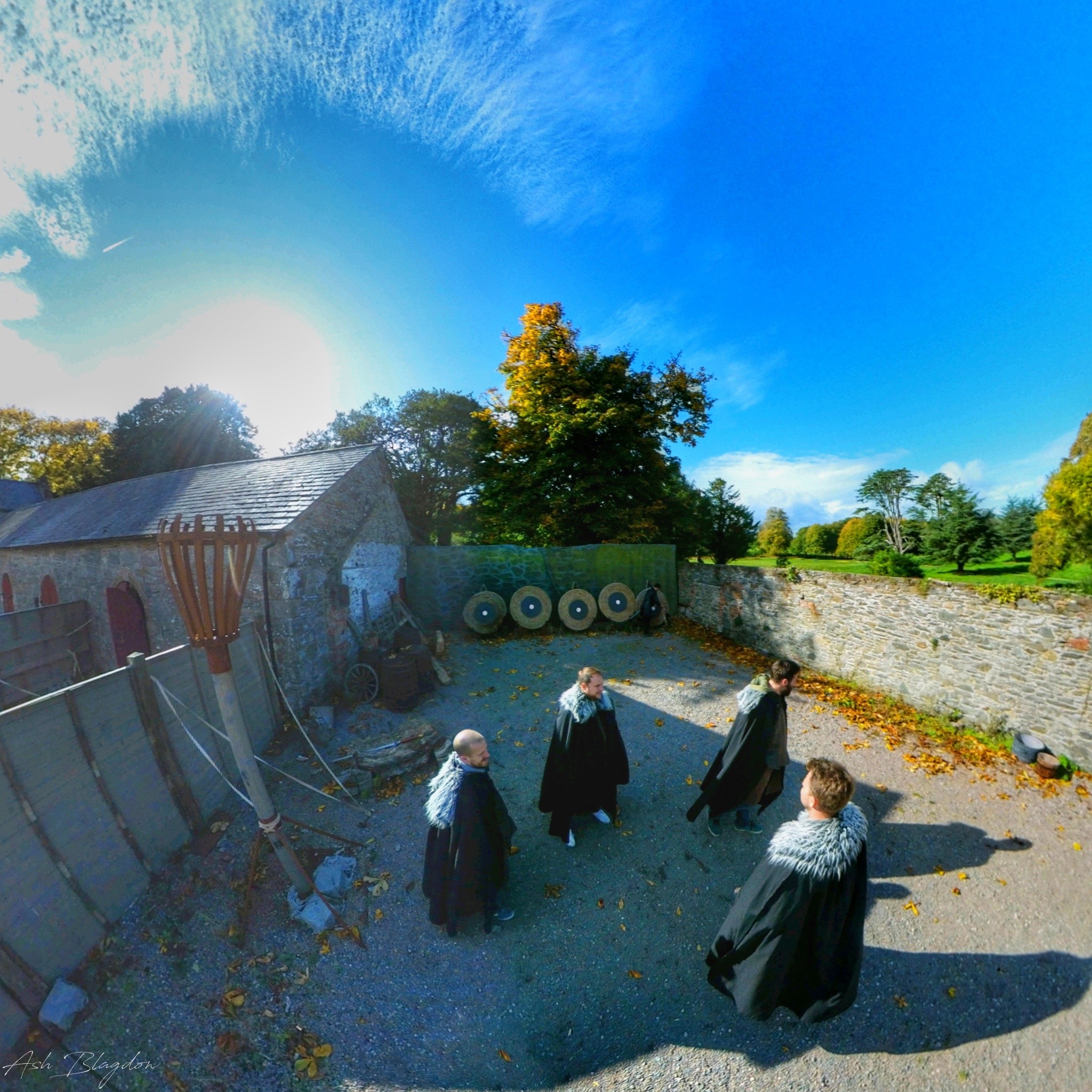
- Game of Thrones Tour
I would say hiring a car is the easiest way of exploring Ireland. Just remember they drive on the left-hand side of the road. Speed limits are shown in miles in Northern Ireland and kilometres in the Republic of Ireland.
- Car, M1 / N1 / A1 link to Dublin. You’re offered a choice of speed limits in kph / mph.
- Fly, Almost all direct flights to Ireland are from UK, Western Europe and the Mediterranean. I flew from Bristol, the flight duration: 1h 15m – 1h 30m.
- Ferry, Foot passengers should always look for through-tickets by bus / train and ferry, as these are considerably cheaper than separate tickets.
- Ferries sail to Dublin from Birkenhead, Holyhead (this is the quickest route from the UK) and the Continent.
Ireland has two official languages:
- Irish (Gaeilge), which is the first national language.
- English, which is the primary language spoken daily.
Tip: Swearing is very common in day to day conversaation and so is sarcasm.
Tip: Do not imitate someone’s accent when they’re speaking to you. You’re not funny or original, and you’ve just insulted them to their face.
Tip: The Dublin accent can be fast, with “r” sounds always pronounced (rhotic) and “th” often sounding like “t” or “d”.
Tip: “What’s the craic?” means “How are you?” or “What’s happening?”. “Grand” means “fine” or “okay”.
Tip: When listening to Dubliners, note that they might turn “i” sounds (like in “time”) towards “oi” (as in “toy”)
Ireland power sockets are Type G: This socket has no alternative plugs. The voltage in Ireland is 220/240 AC, 50 Hz. Electrical plugs have three rectangular pins and take fuses of 3, 5 and 13 amps.
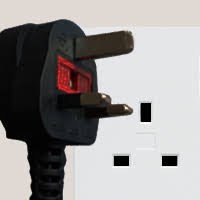
Your need for a power plug adapter depends on the power plugs used in your own country. Visitors from abroad will need an adaptor for appliances that have been brought from home, such as laptops, hairdryers and phone chargers. Most hotels will have two-pronged European-style sockets for shavers only. What you need to keep you covered is a Worldwide travel adapter, check out what I’m currently using on my travels here. I always travel light and my adaptor stays in my bag all the time. It doesn’t matter where you go in the world this will have you covered and will keep you charged up and ready to go.
At home in the UK I use EE. If you have EU roaming included in your service plan like me, (in which case it will cost nothing extra) If you haven’t got EU roaming it will cost £2.59 a day (2026) to use your standard UK allowance.
Failing that there’s another easy trick to get free roaming simply by swapping to an Irish Sim. (You’ll need an unlocked phone though) Otherwise, it may be best to stick to free Wi-Fi.
- If visiting the Giants Causeway don’t go through the visitor centre. It’s a glorified giftshop. Go around it or walk down the beach – for FREE!
- Is Ireland safe? Yes. Ireland is considered one of the safest countries in the world.
Irish weather is famous for having “four seasons in one day.” Pack a good quality raincoat, waterproof shoes and light layers.


 Ricoh Theta Z1
Click here for more accessories

If you found this helpful, please like and follow my social pages
 183
183

 217
217


 813
813 271
271


Click here to Explore More of the UK in 360º
Originally posted on 12 May 2026 @ 21:00