Enjoy a 360 virtual tour of Vatican City the spiritual heart of Catholicism, one of Rome’s must-sees and the smallest country in the world
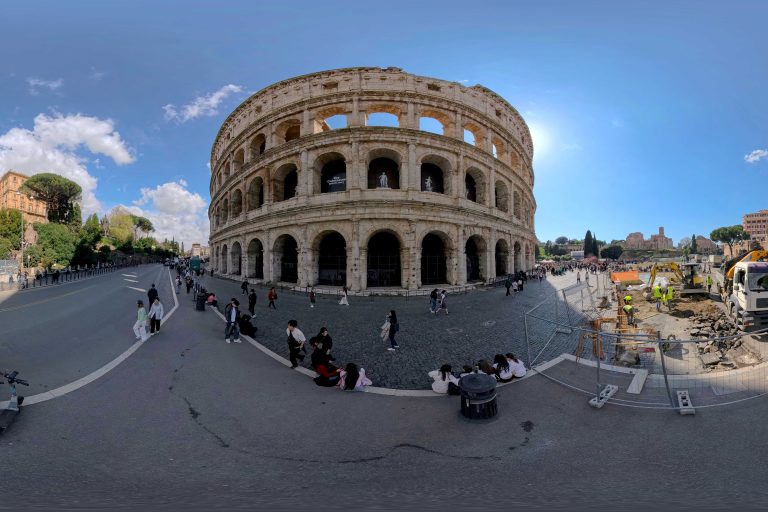
We caught the metro to Ottaviano, and it’s just a short walk. Don’t make the same mistake as we did and walk to St Peters Square if you want the Museum and Sistine Chapel. The main entrance is off Viale Vaticano, I’ve pin pointed it on the map below. We queued for around 30 minutes in the rain before getting in. This was apparently quick as I’ve been told it could take an hour or more at times, so make sure you have an umbrella (thankfully we did) and give yourself time to pay a visit to the loo before joining the masses. Make sure you book your tickets in advance like we did. Those that didn’t were still waiting outside in the rain for quite a while longer.
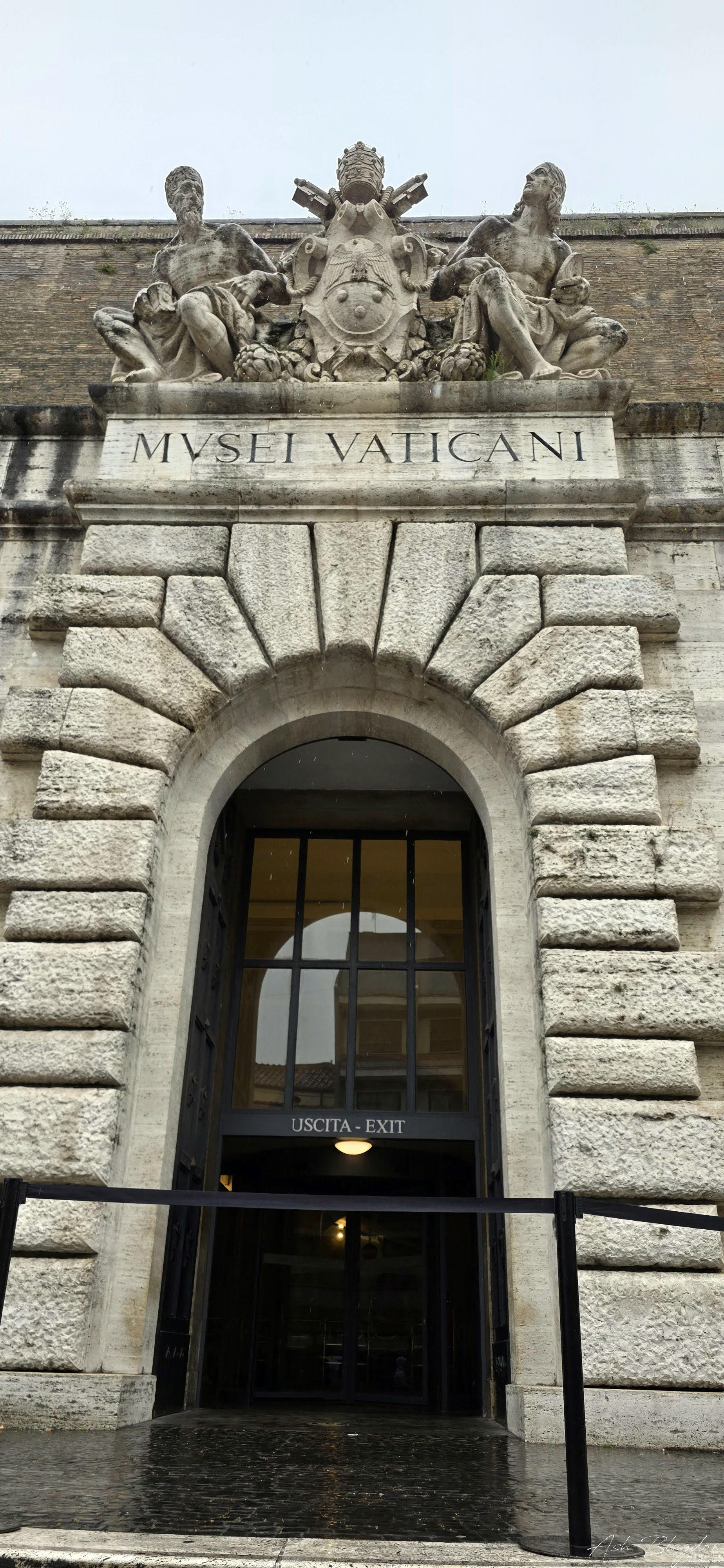
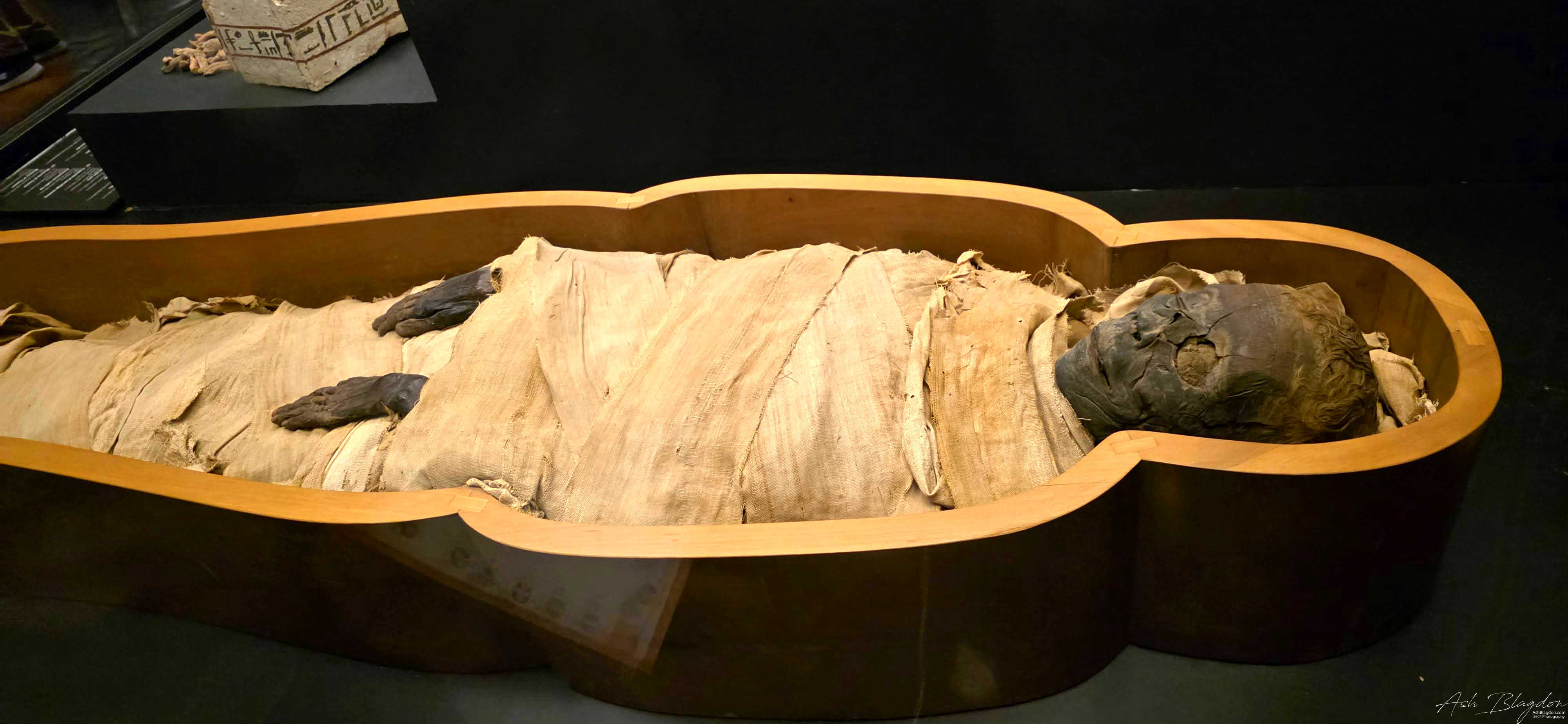
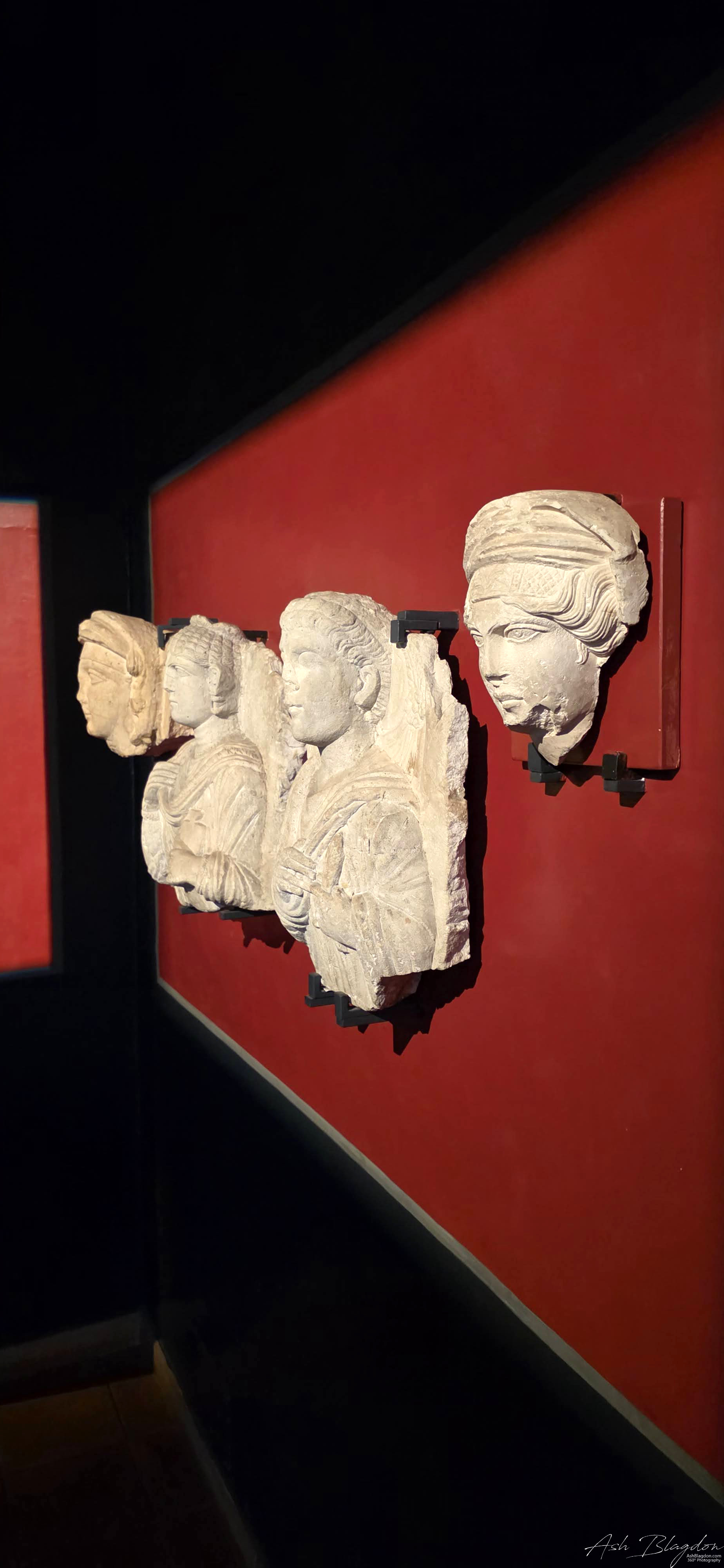
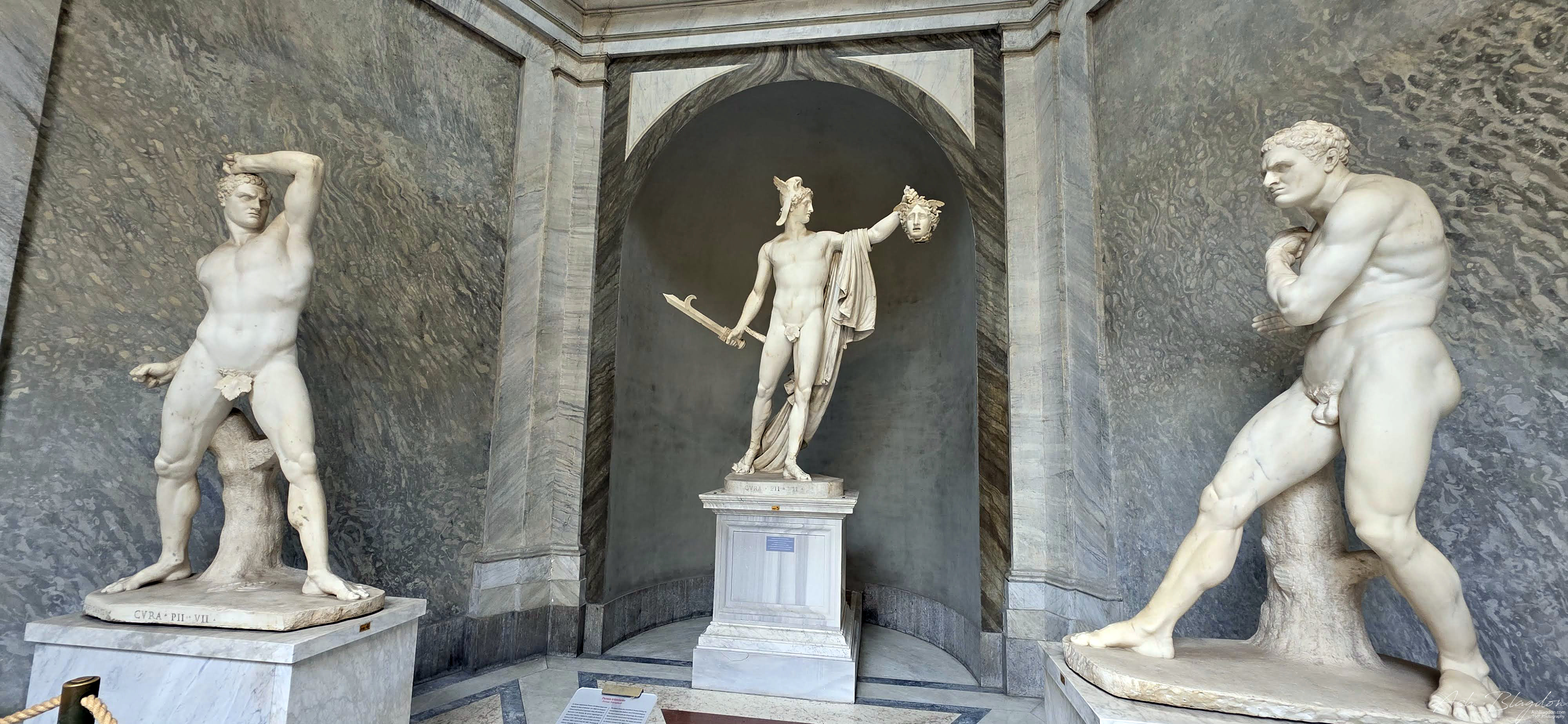
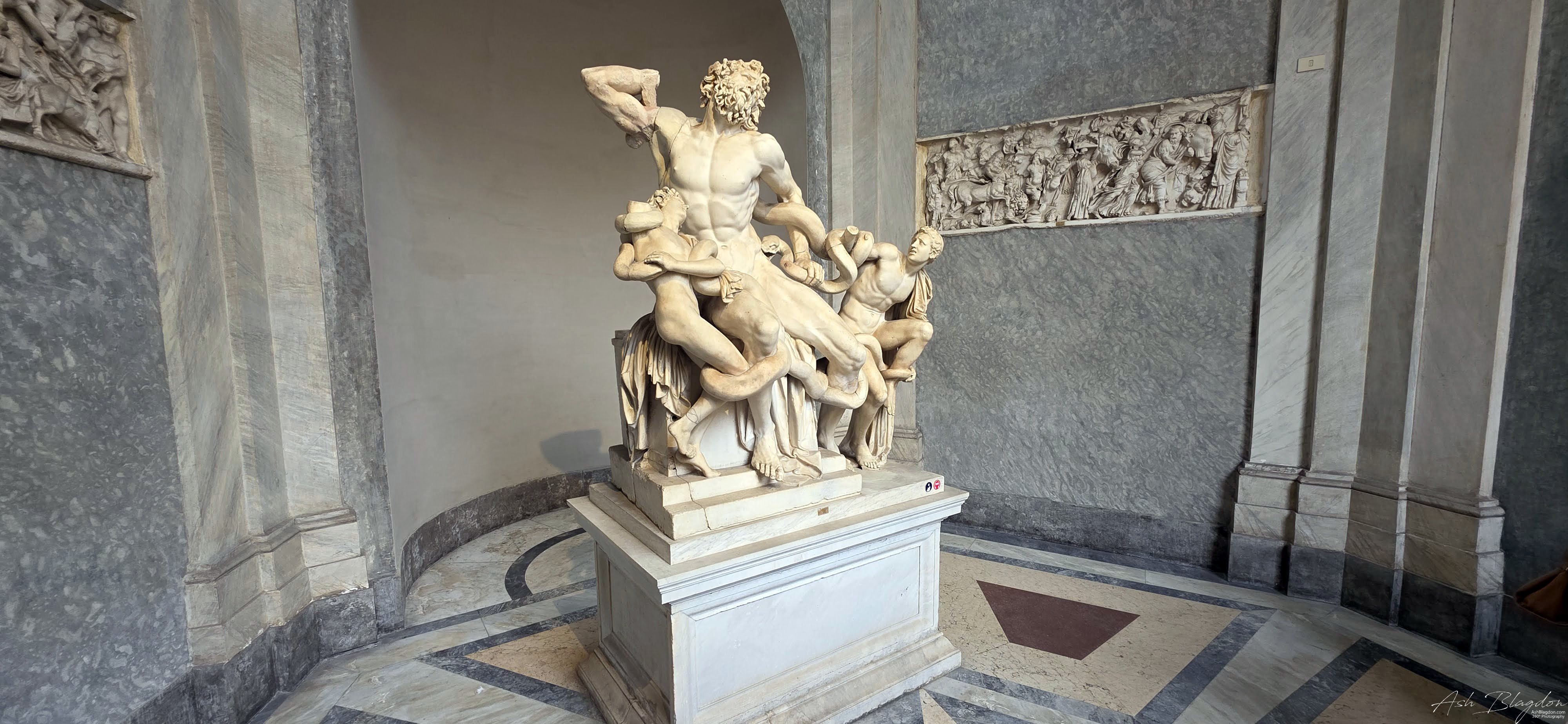
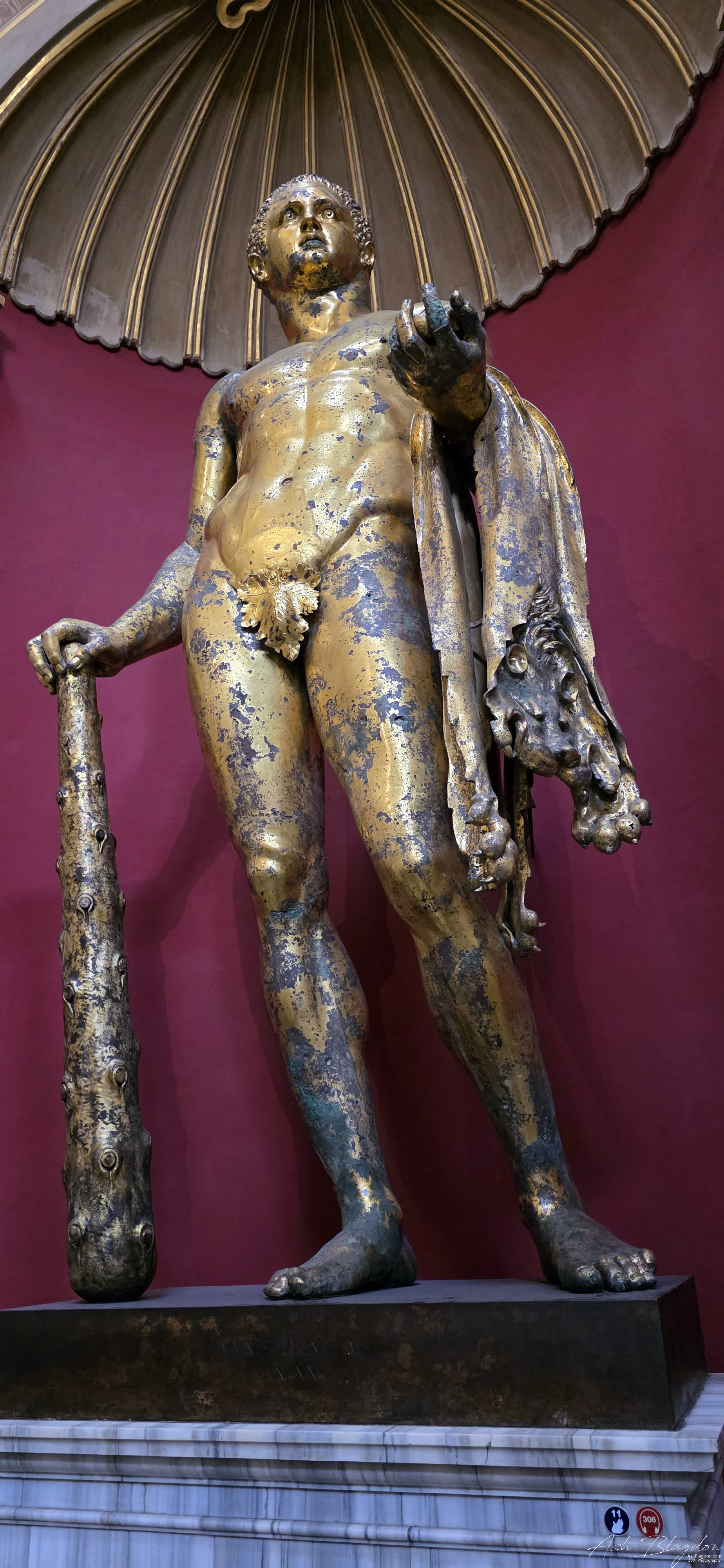
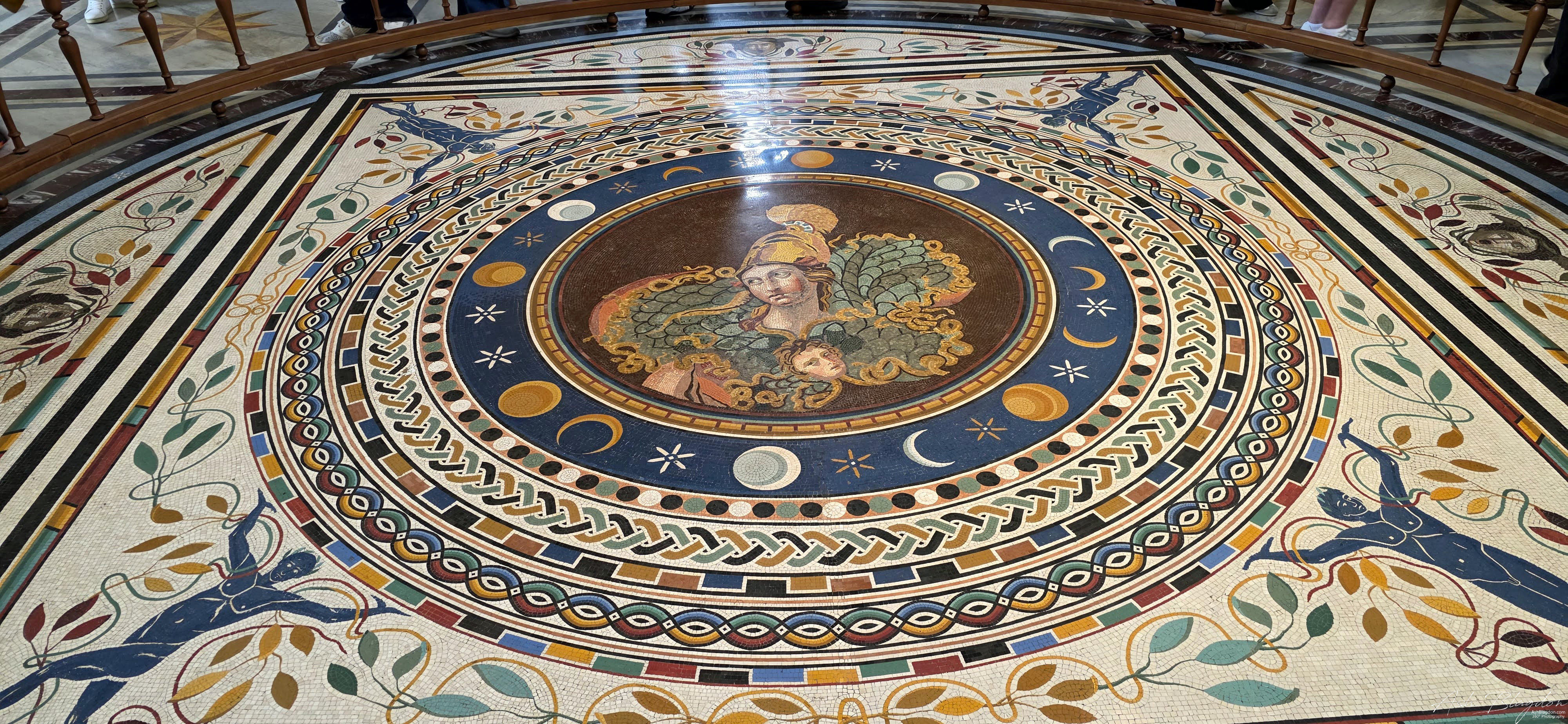
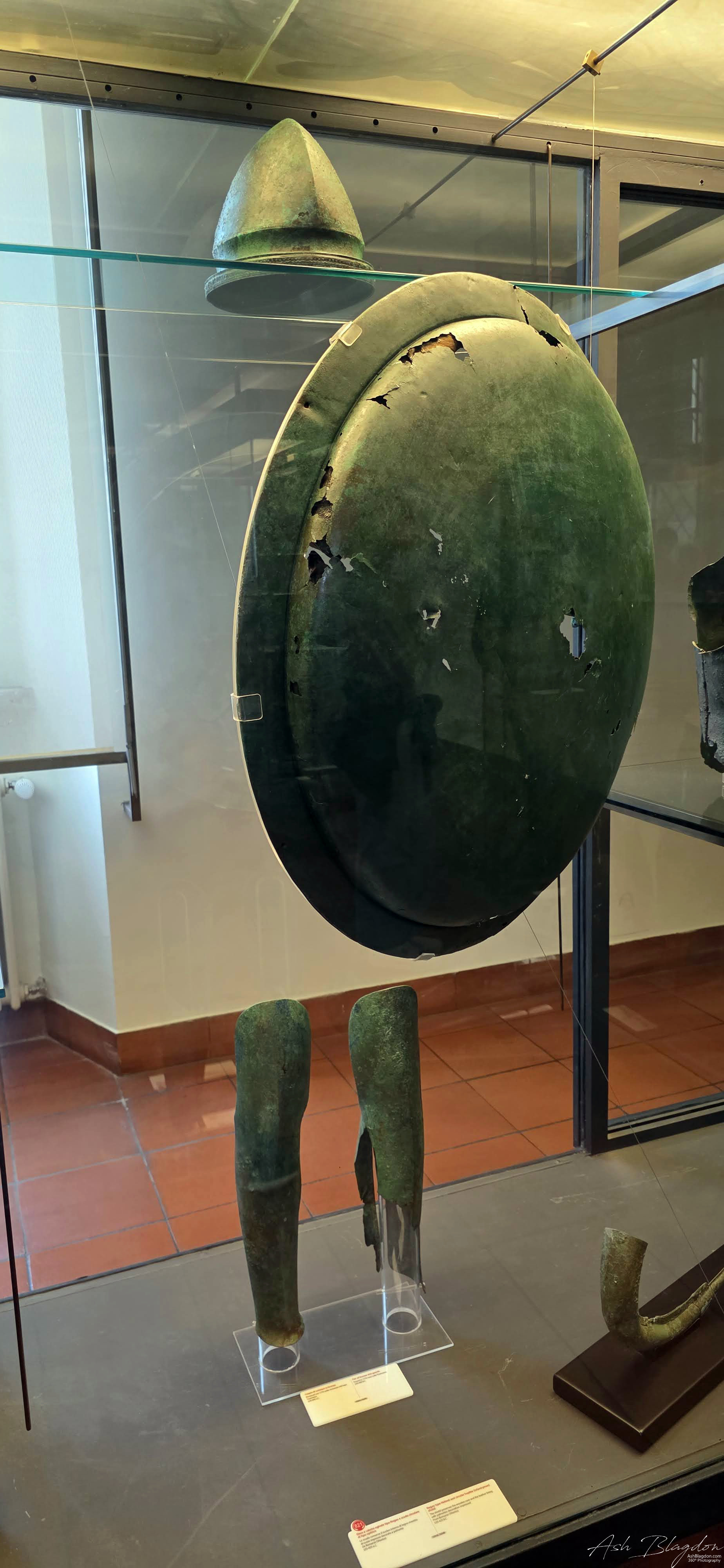
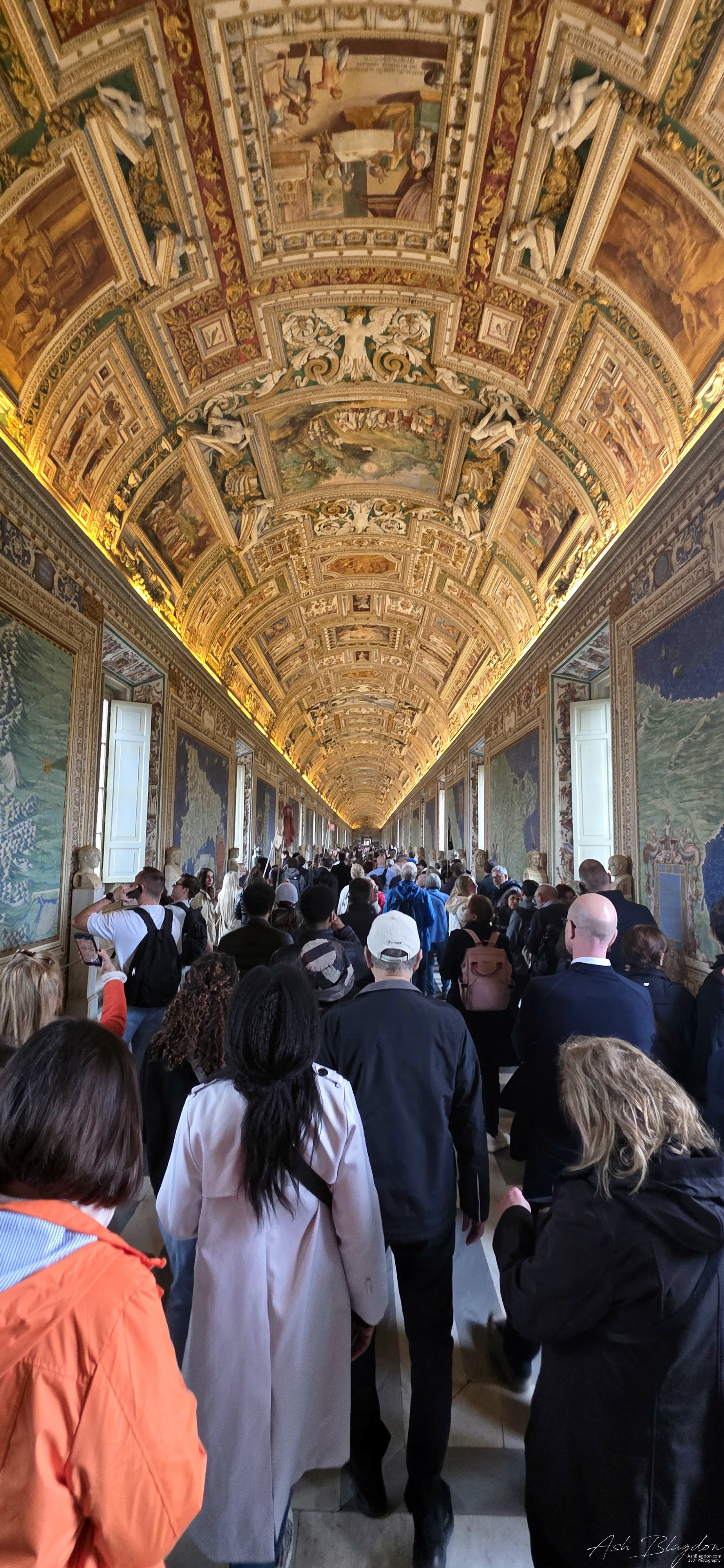
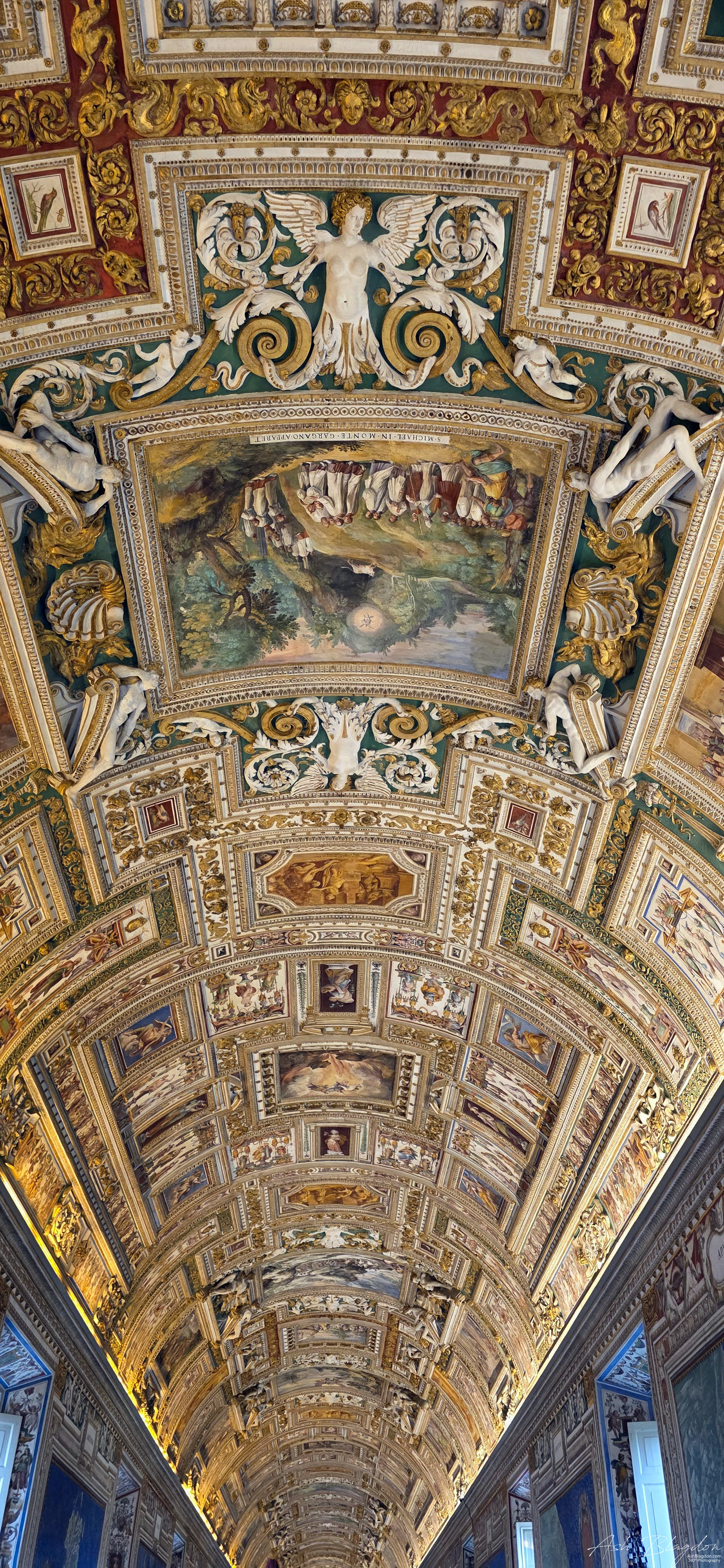
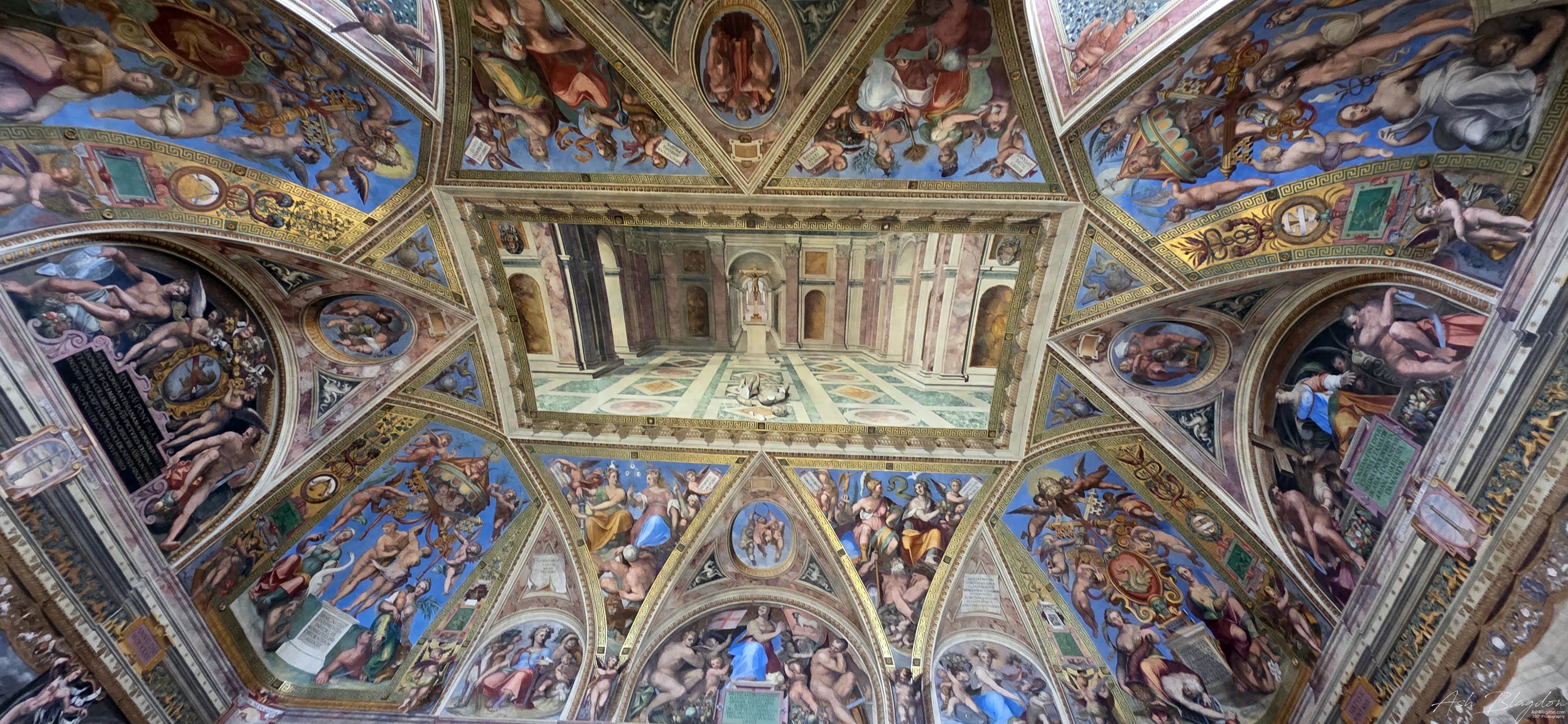
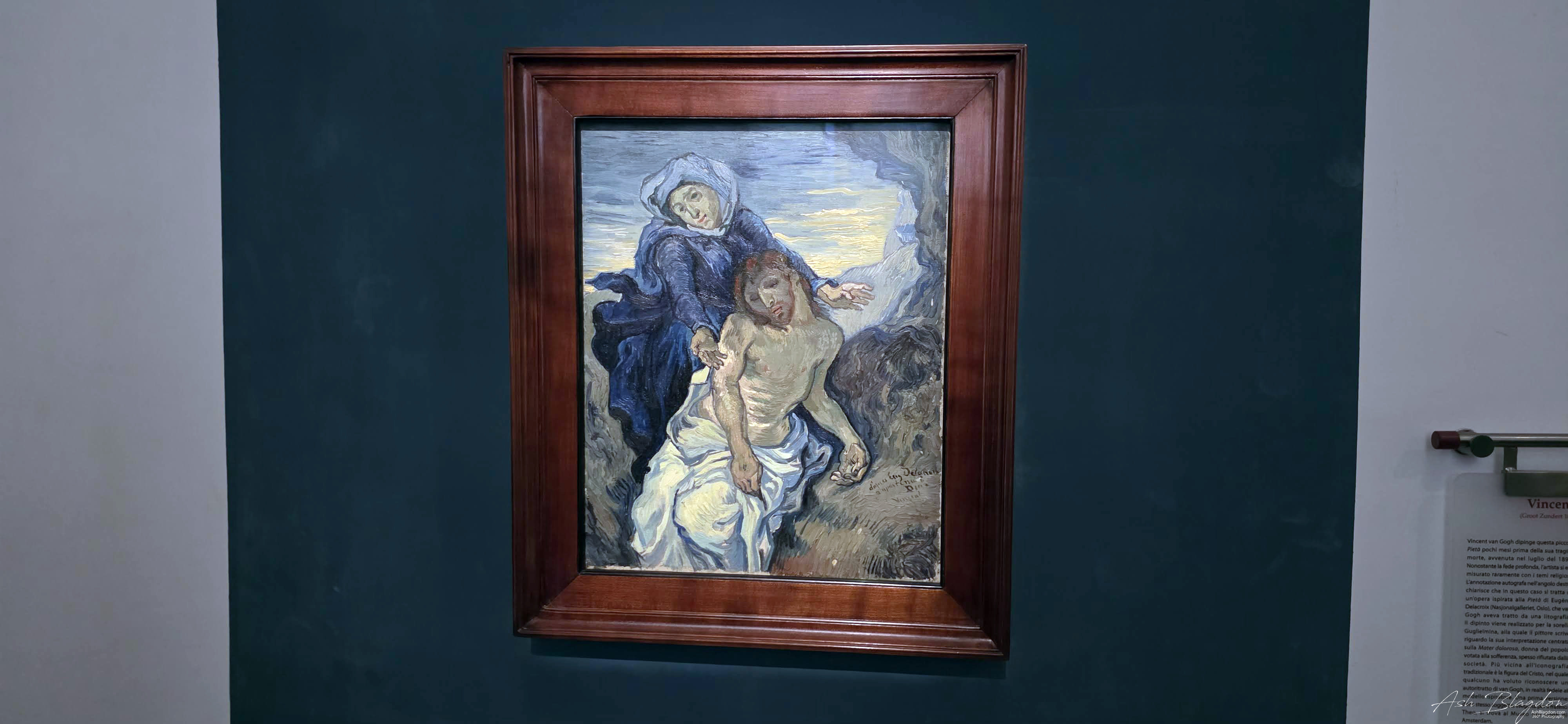
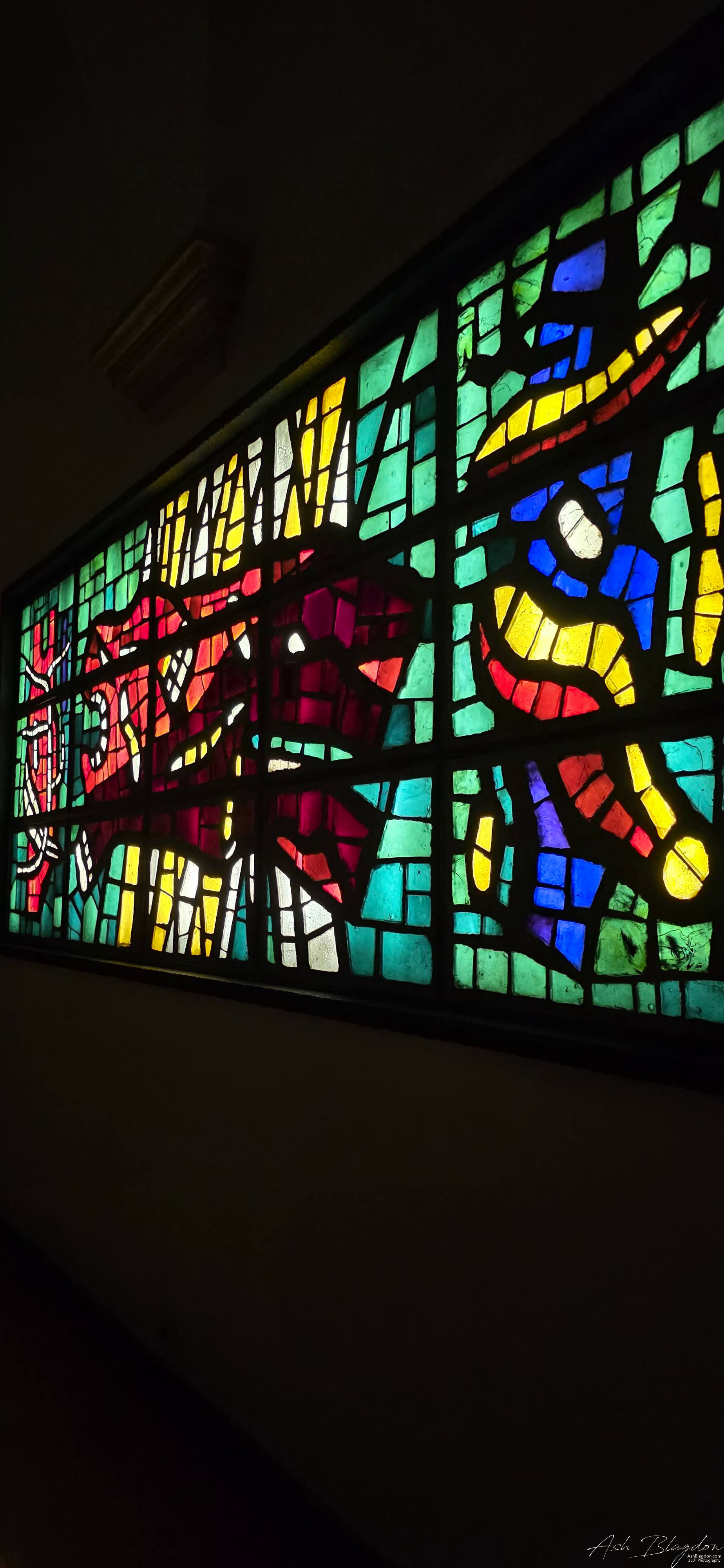
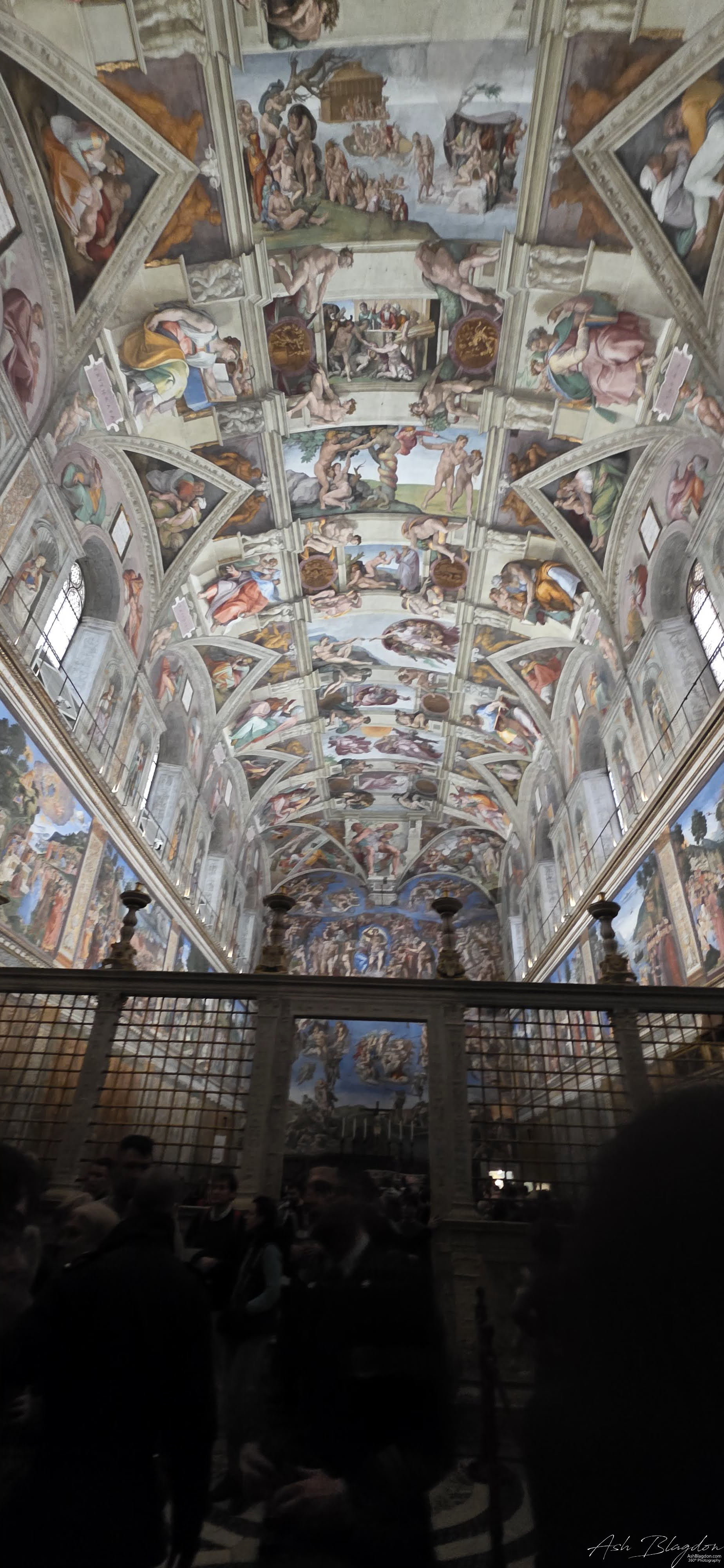
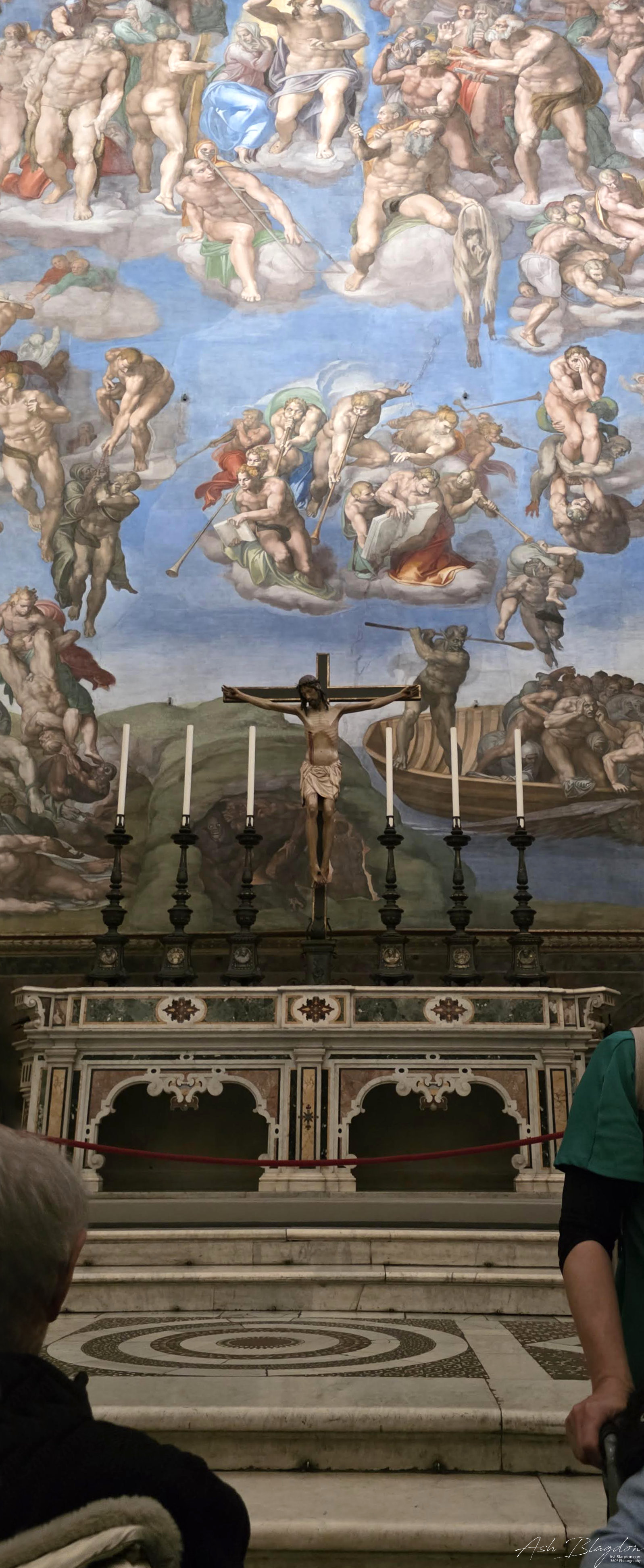
Once inside you can choose to go in any direction you wish, but there did seem to be some one way systems in many of the rooms. It’s slow and steady and I’m sure many people could spend hours looking in detail at all the statues and busts. We thought we would only be a couple hours or so. It took us 4 hours and even then we skipped out the garden as it was raining. Eventually you make your way around to the Sistine chapel where there are signs stating no photography and there are a few guards stood against the outer walls. If you’re in the middle of a big crowd though like I was, and you’re quick you can sneak a few shots in.
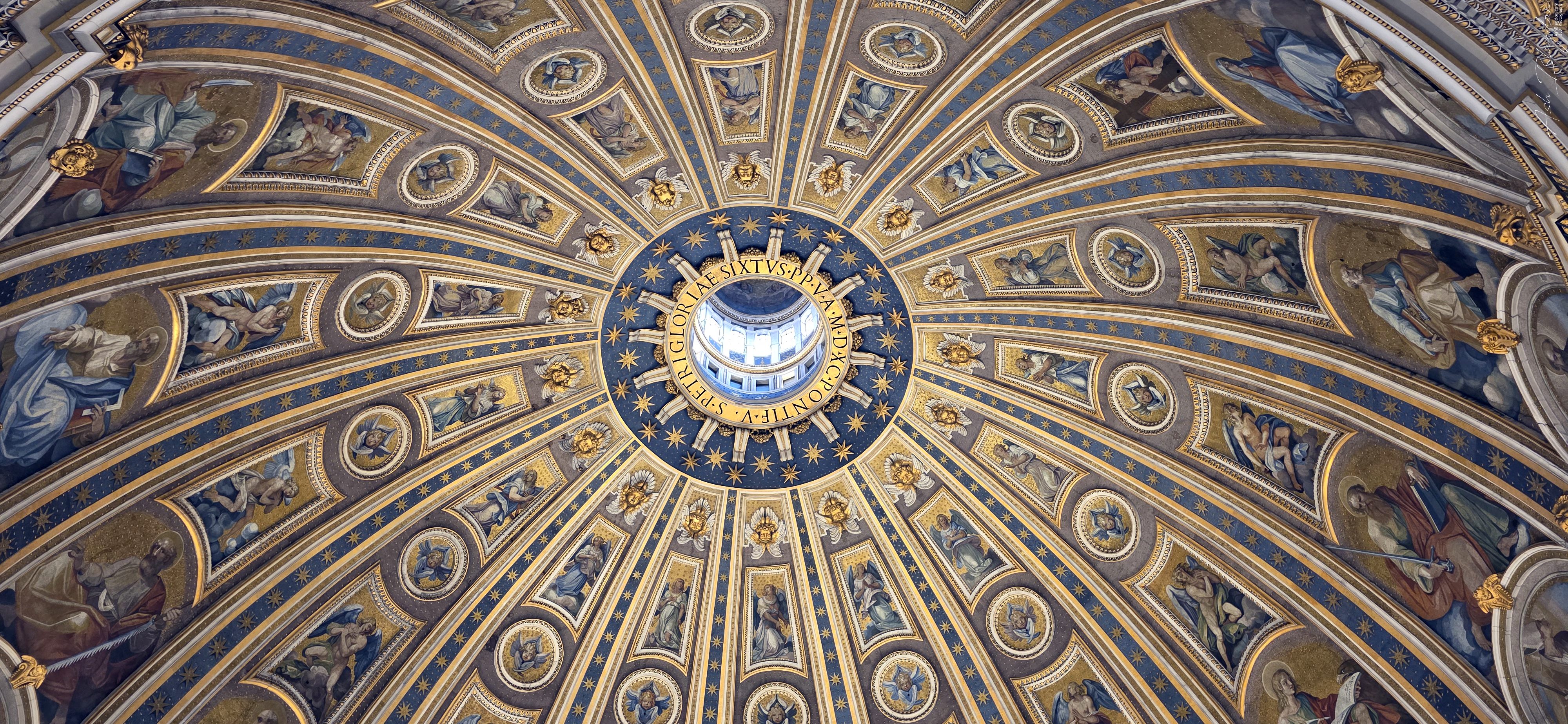
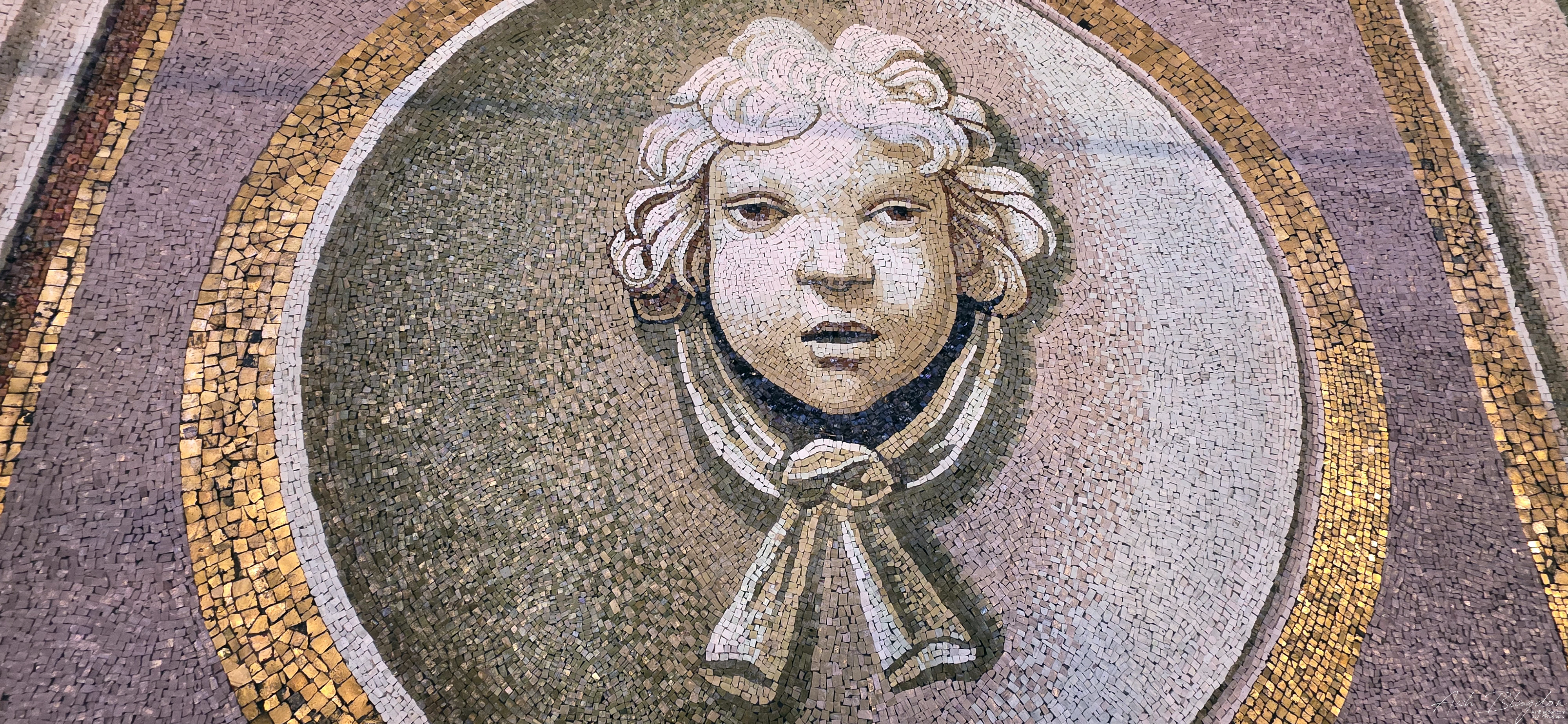
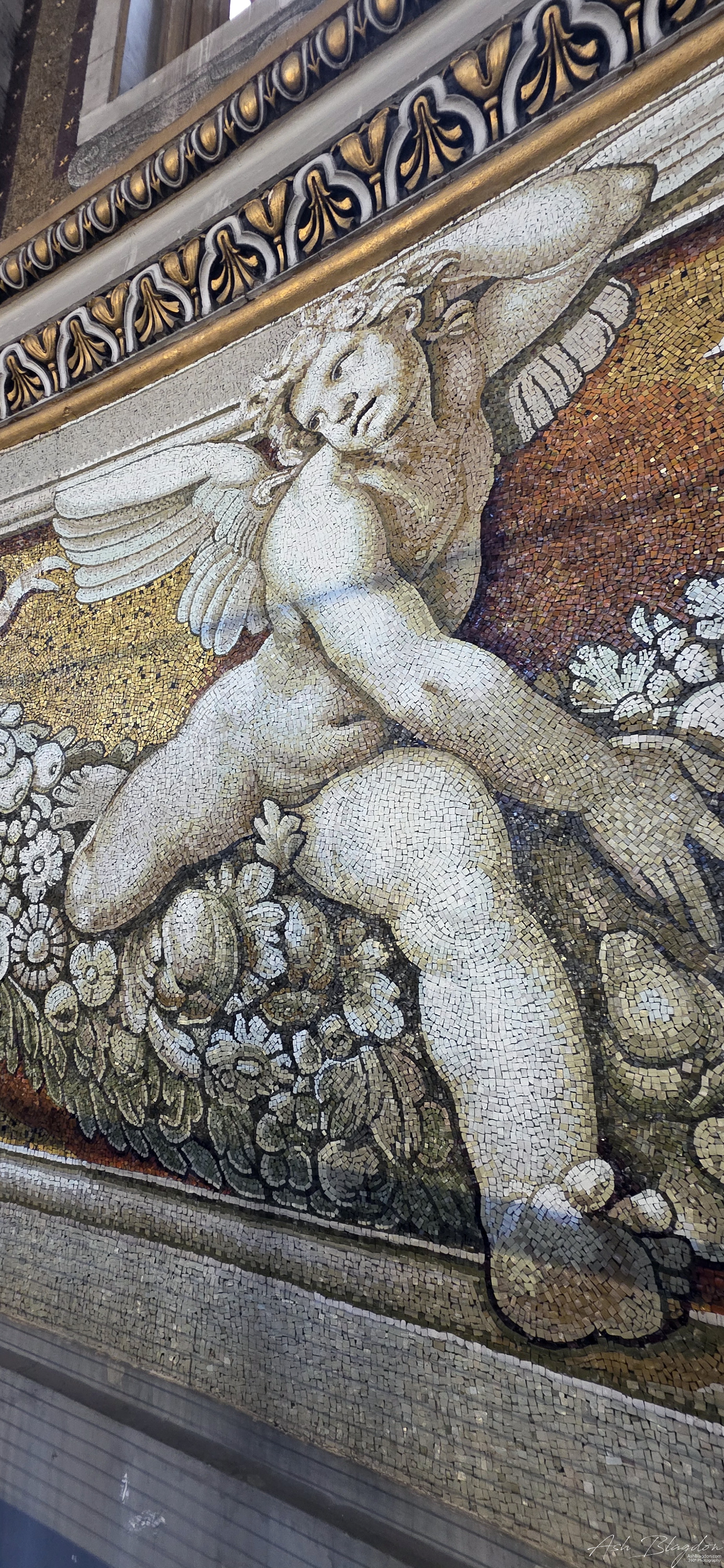
One of my favourite things here is how detailed the roofs are. It’s just such an incredible display of skilled artistry.
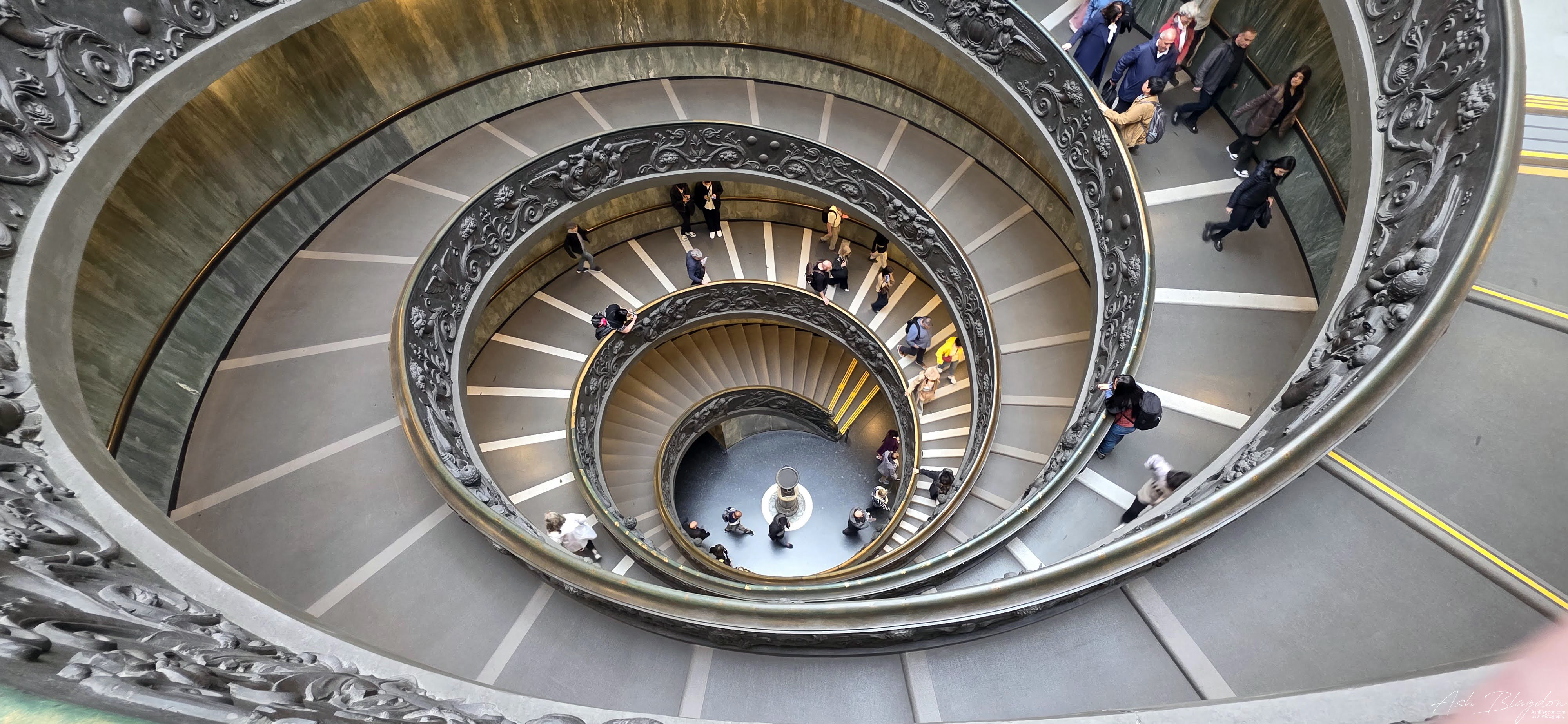
As you leave, be sure to check out the grand stairs from the top. It’s quite the masterpiece and definitely worth taking in from that vantage point.
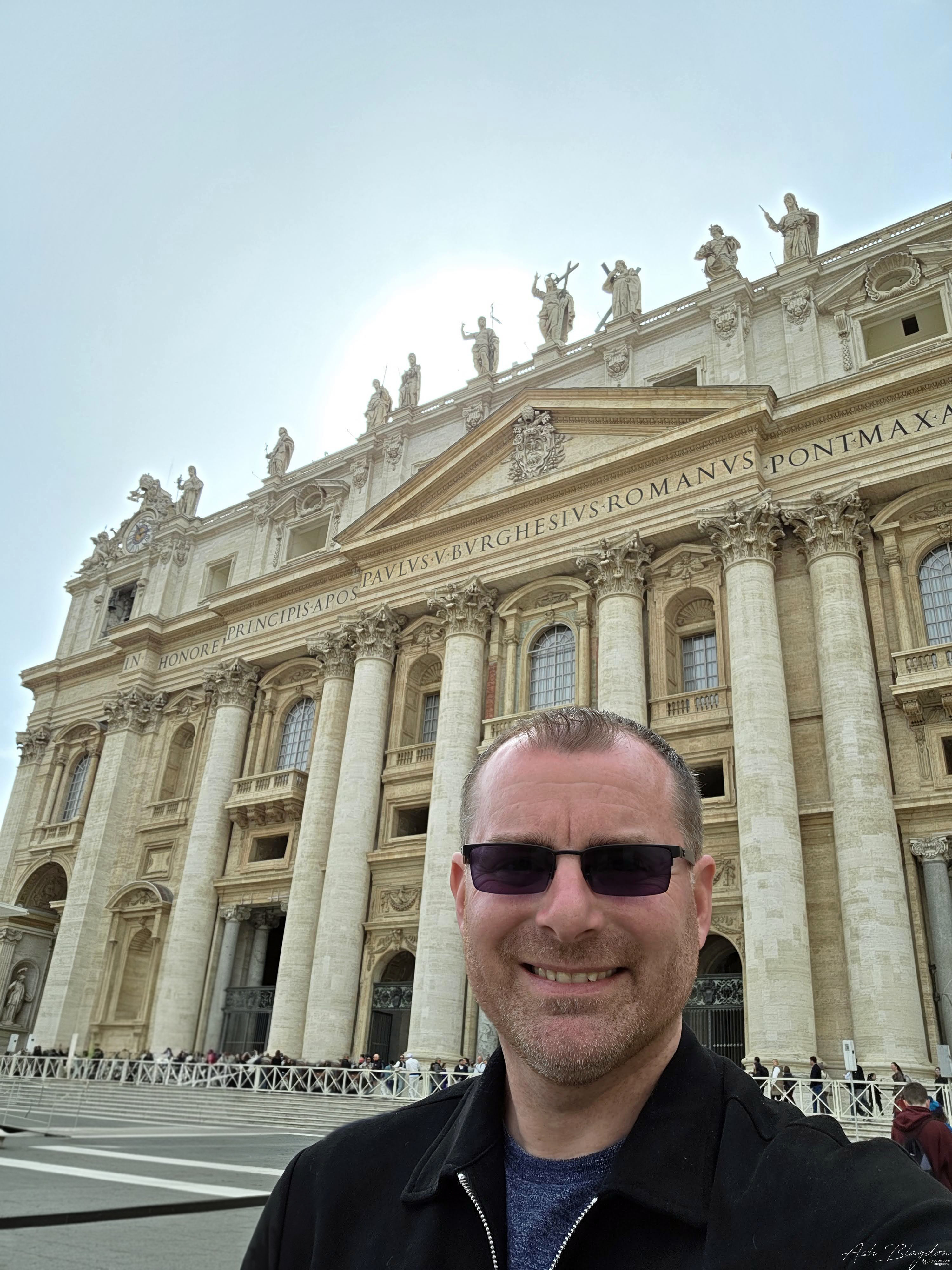
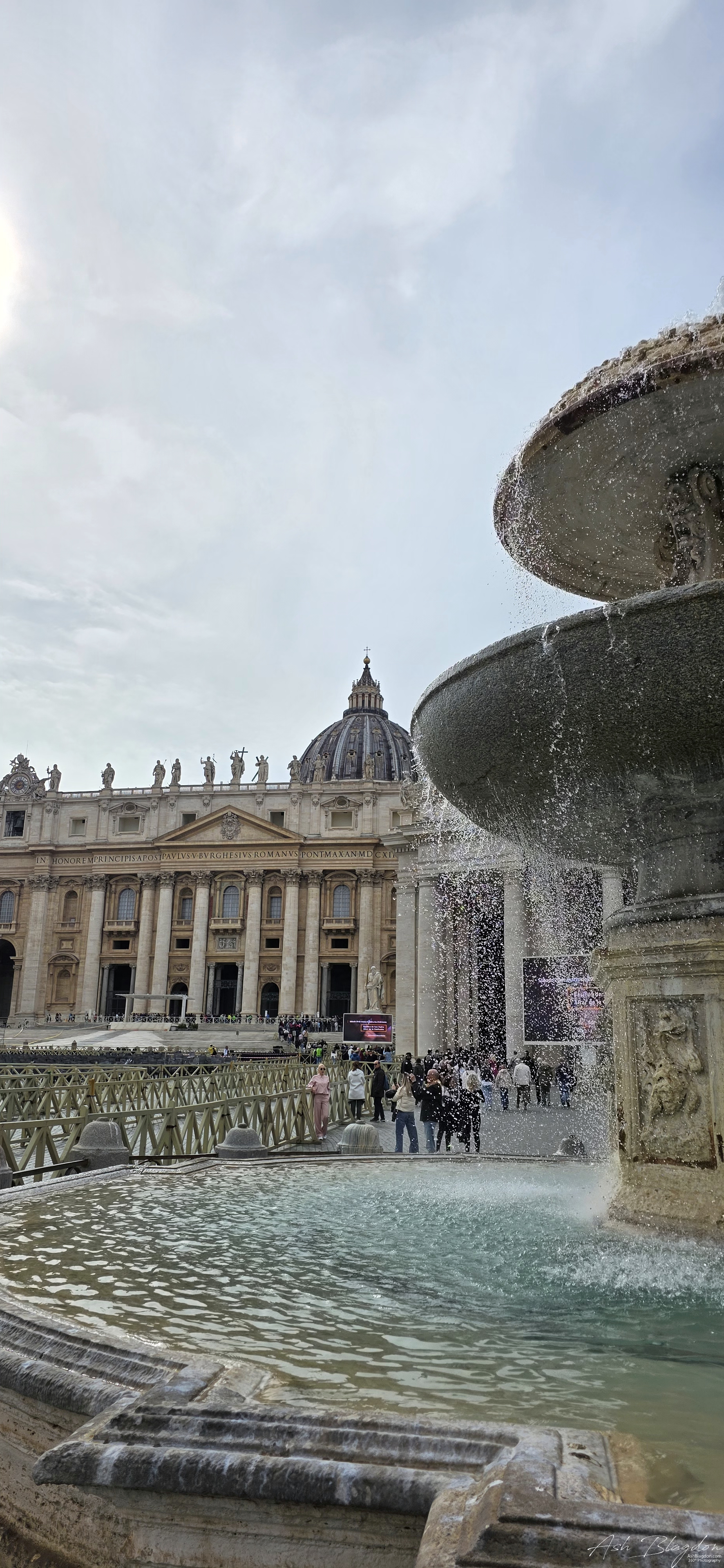
St. Peter’s Basilica
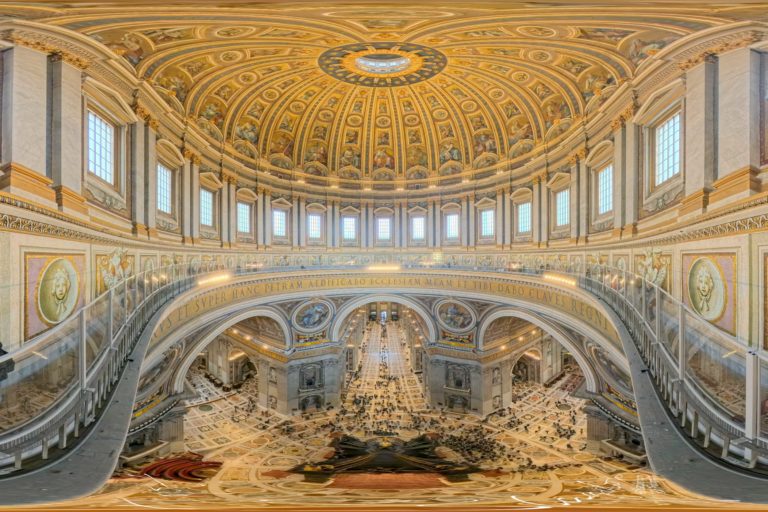
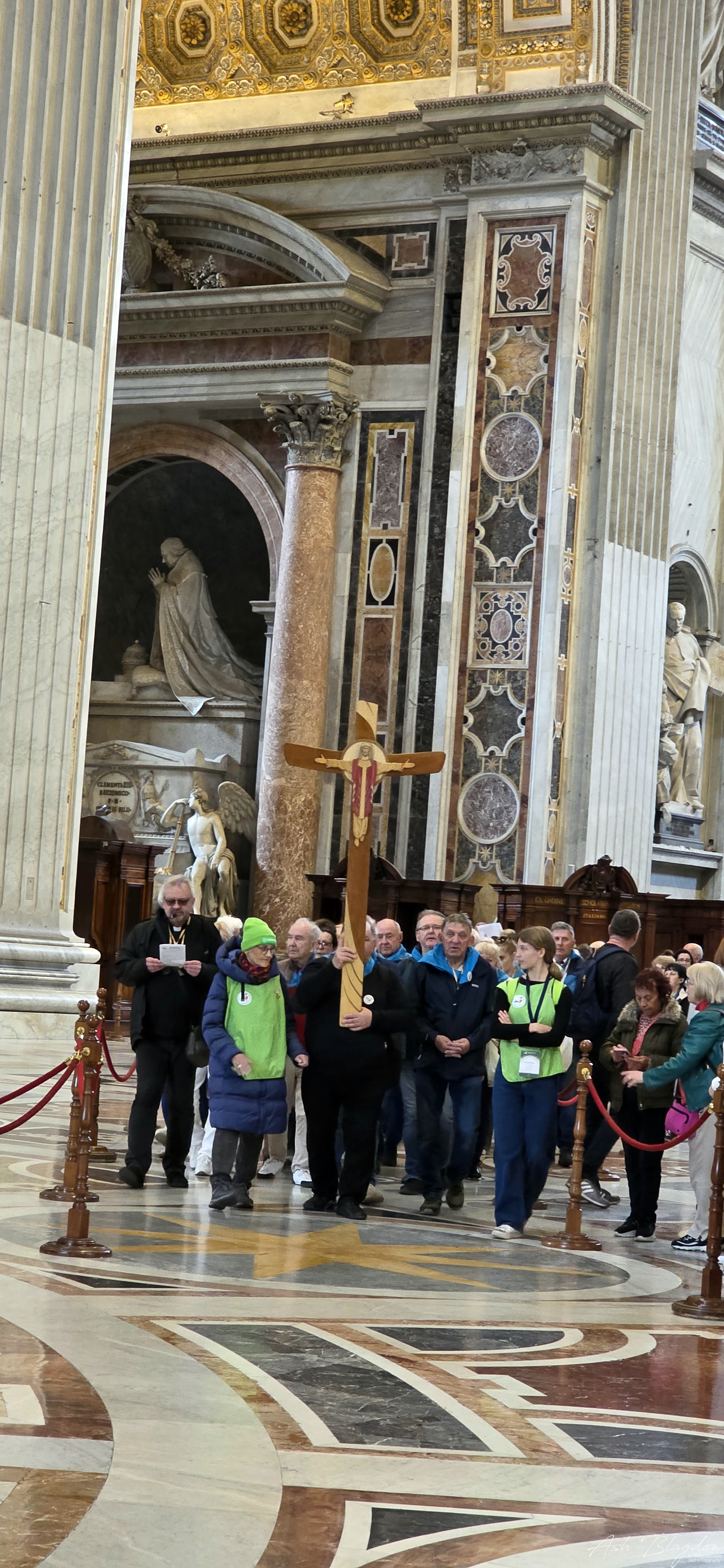
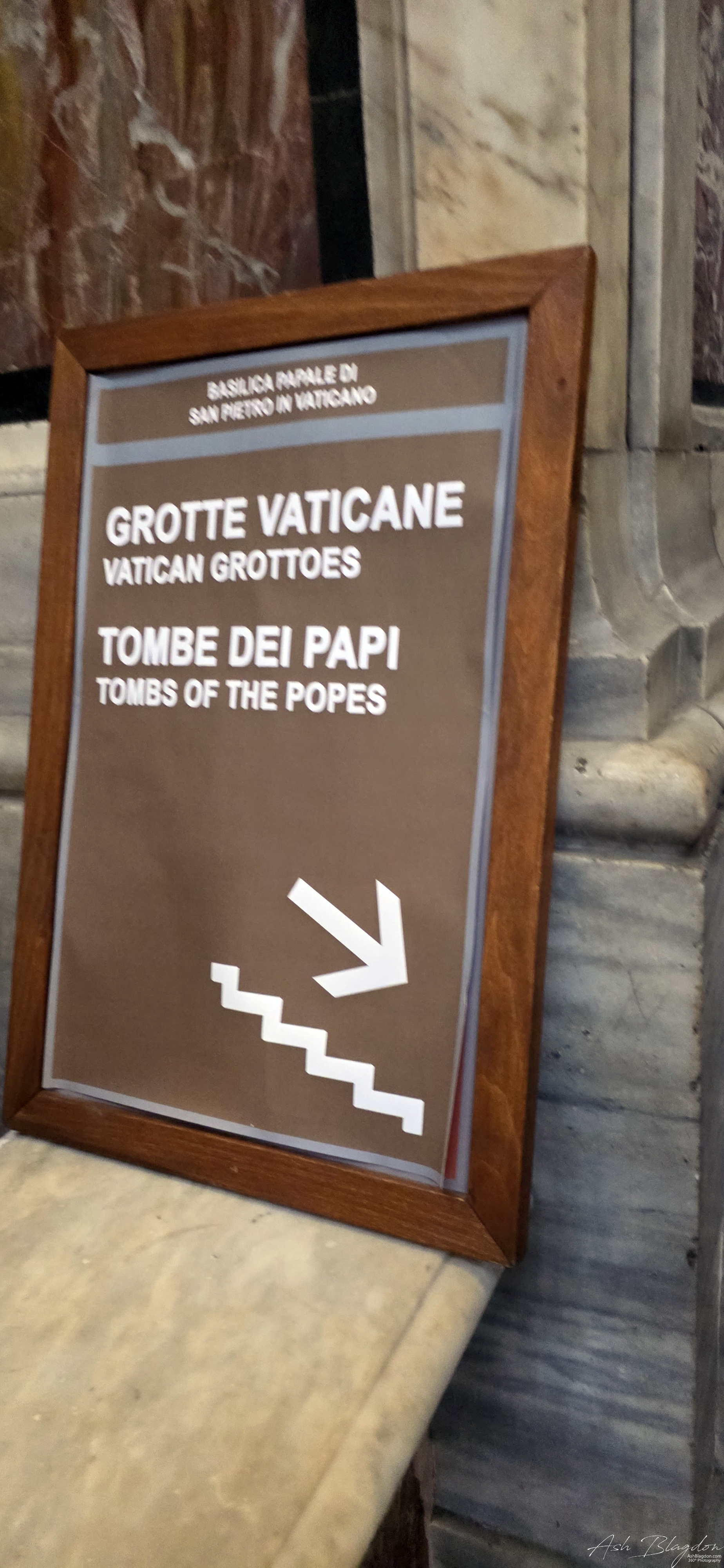
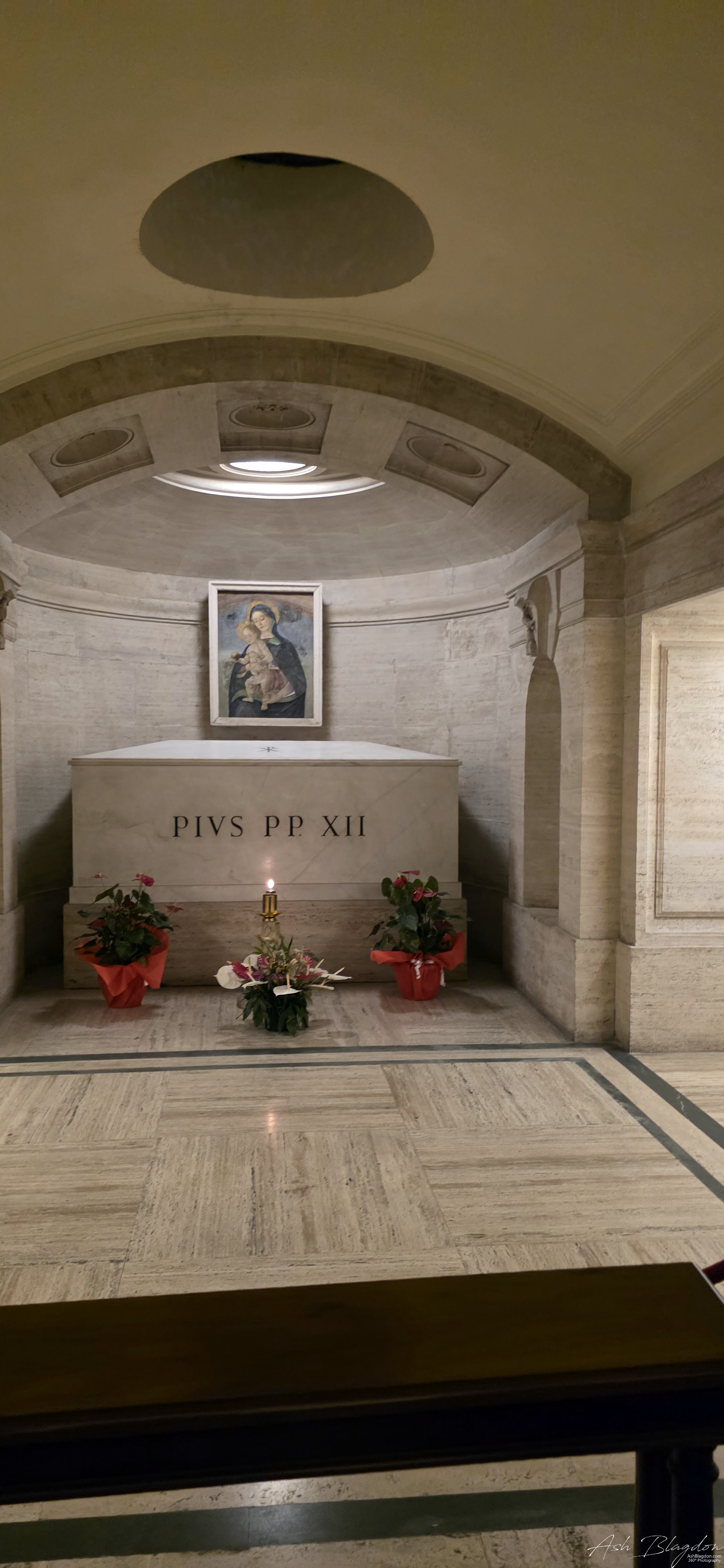
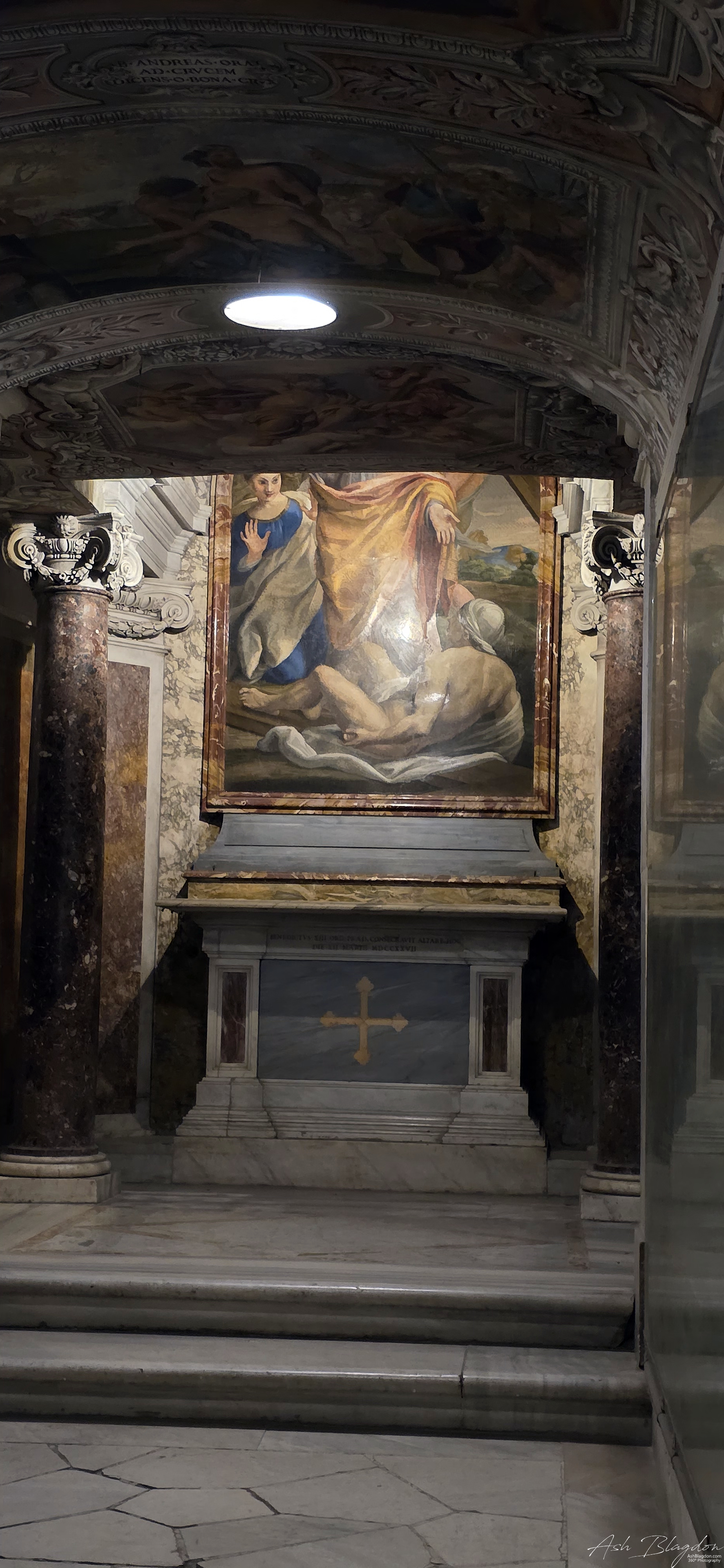
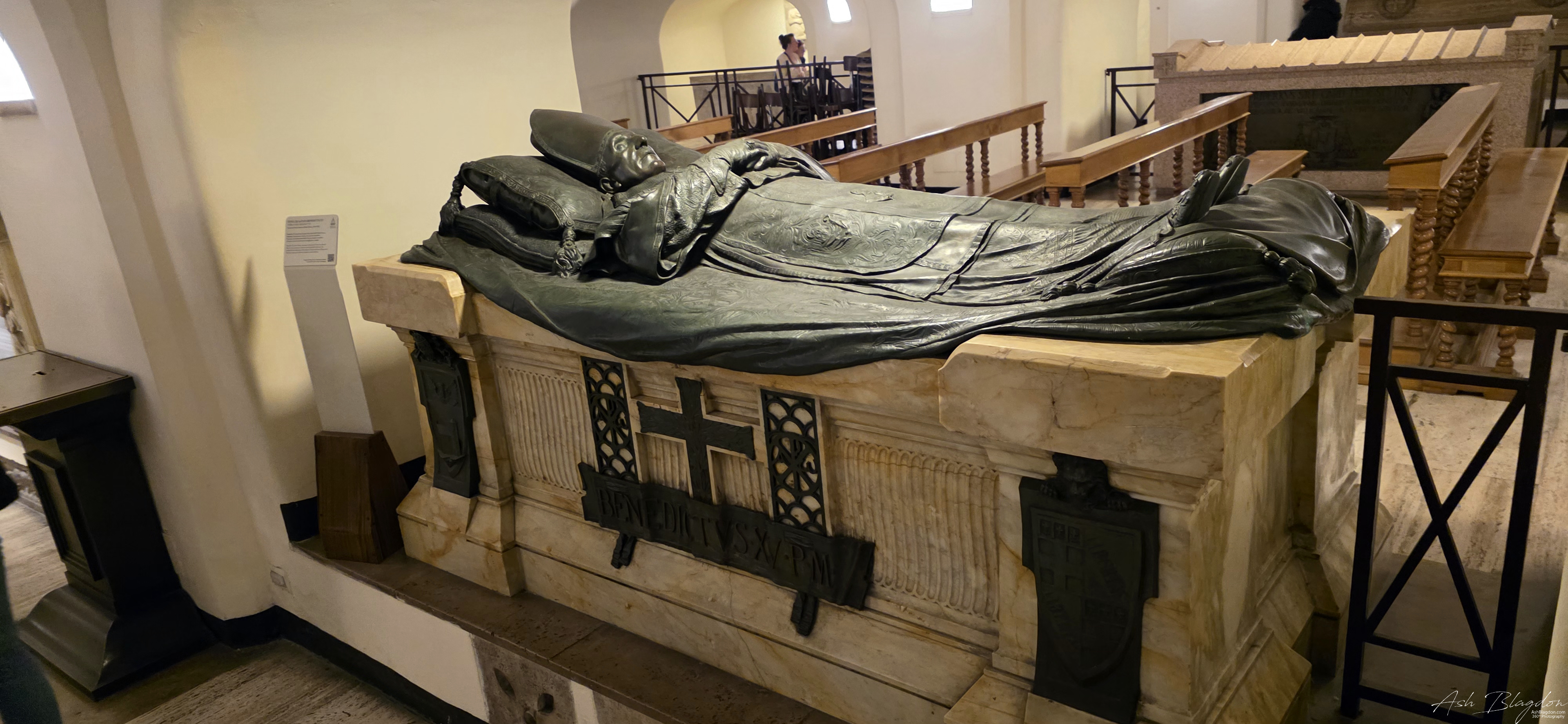
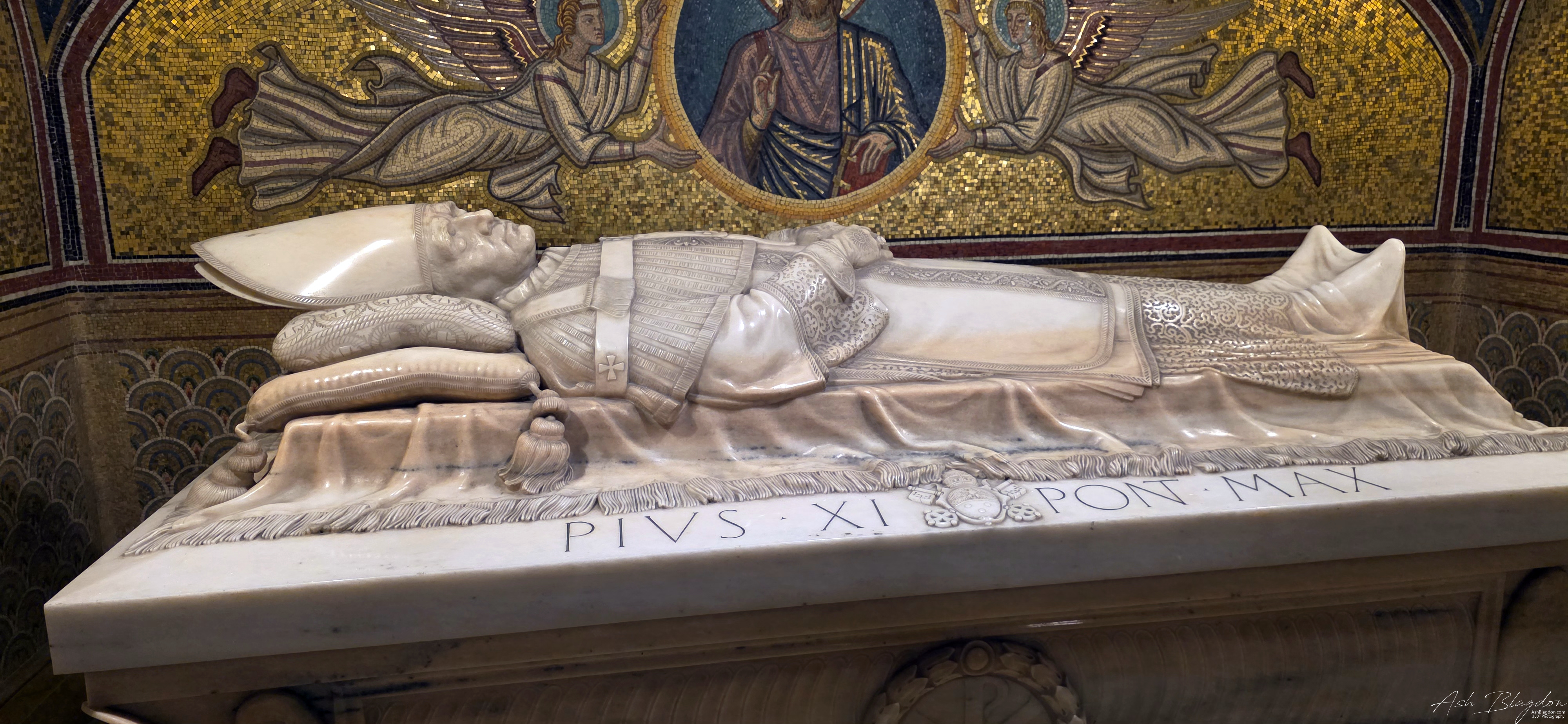
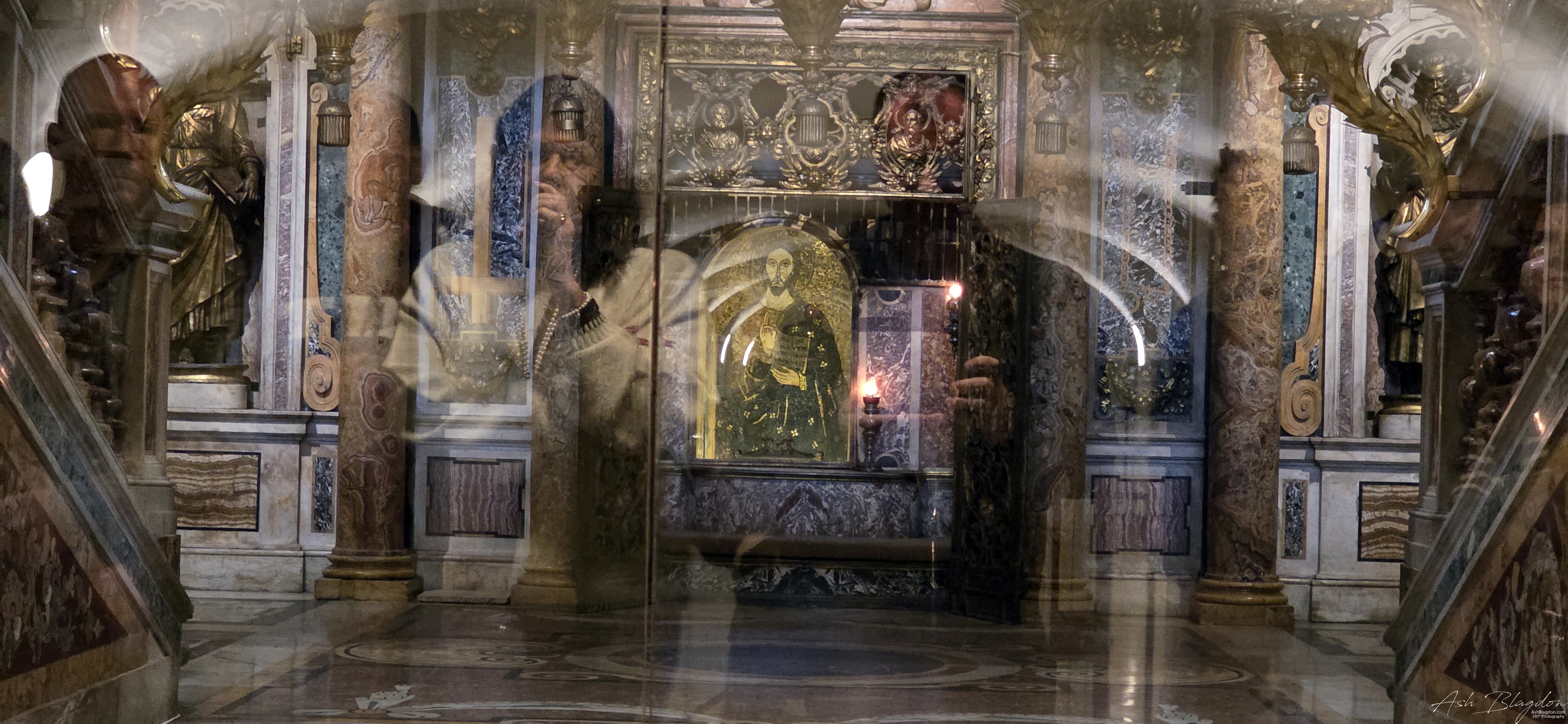
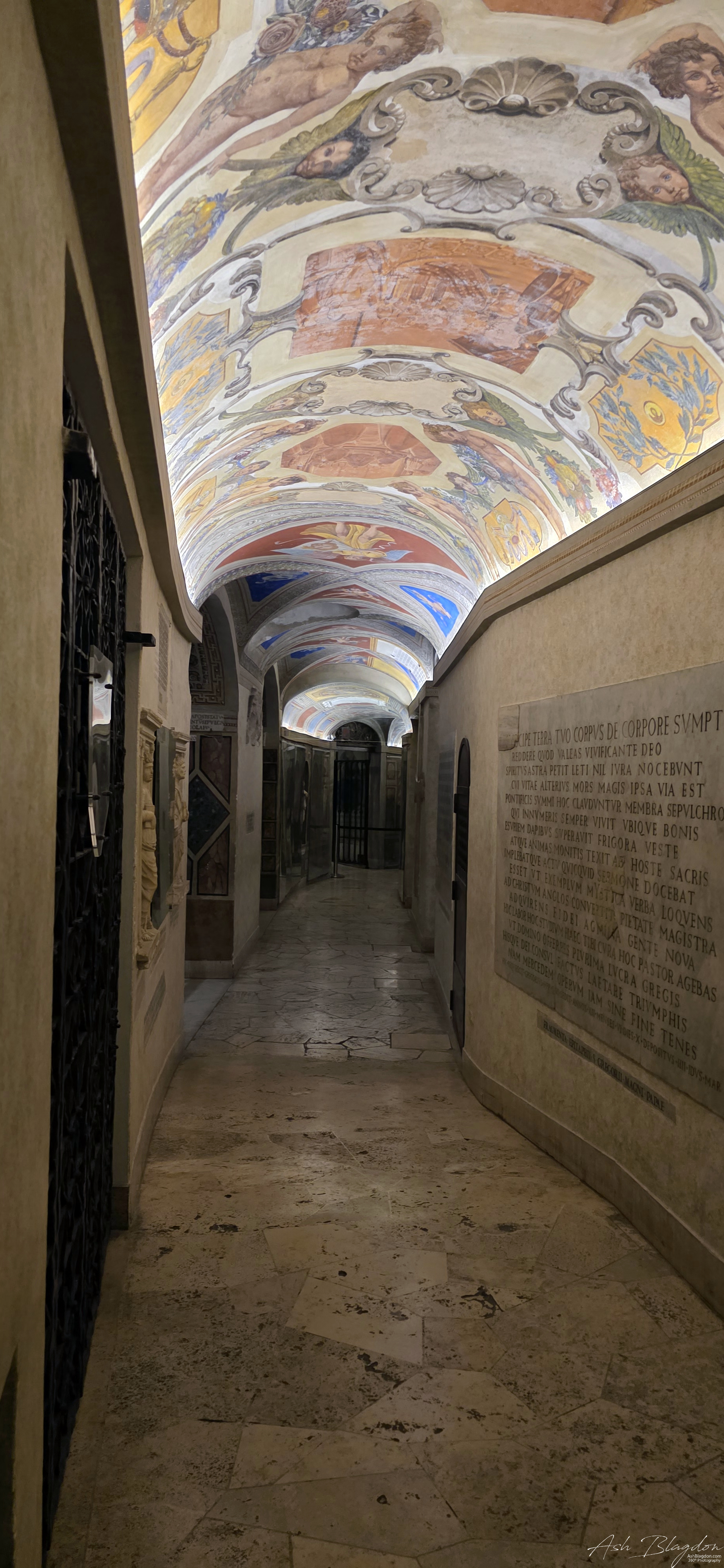
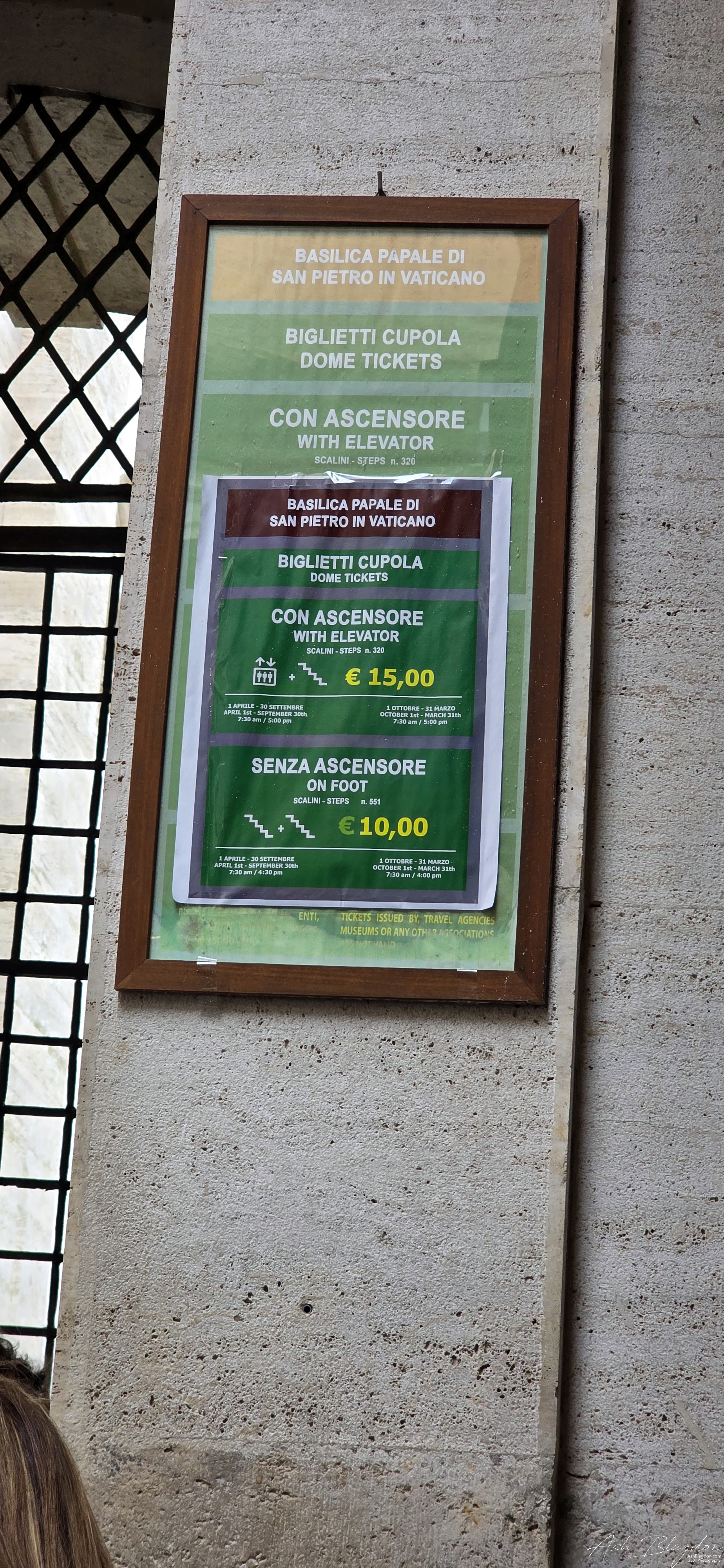
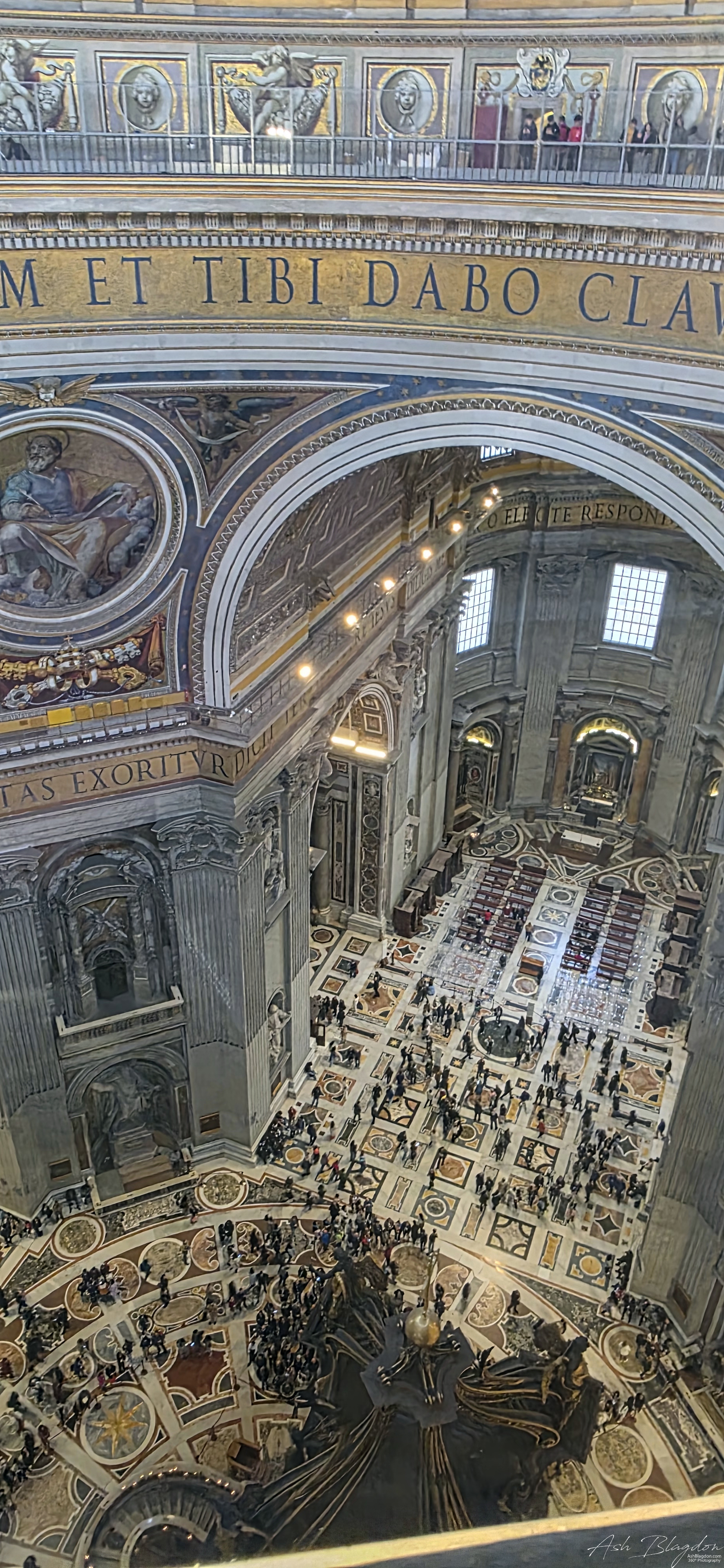
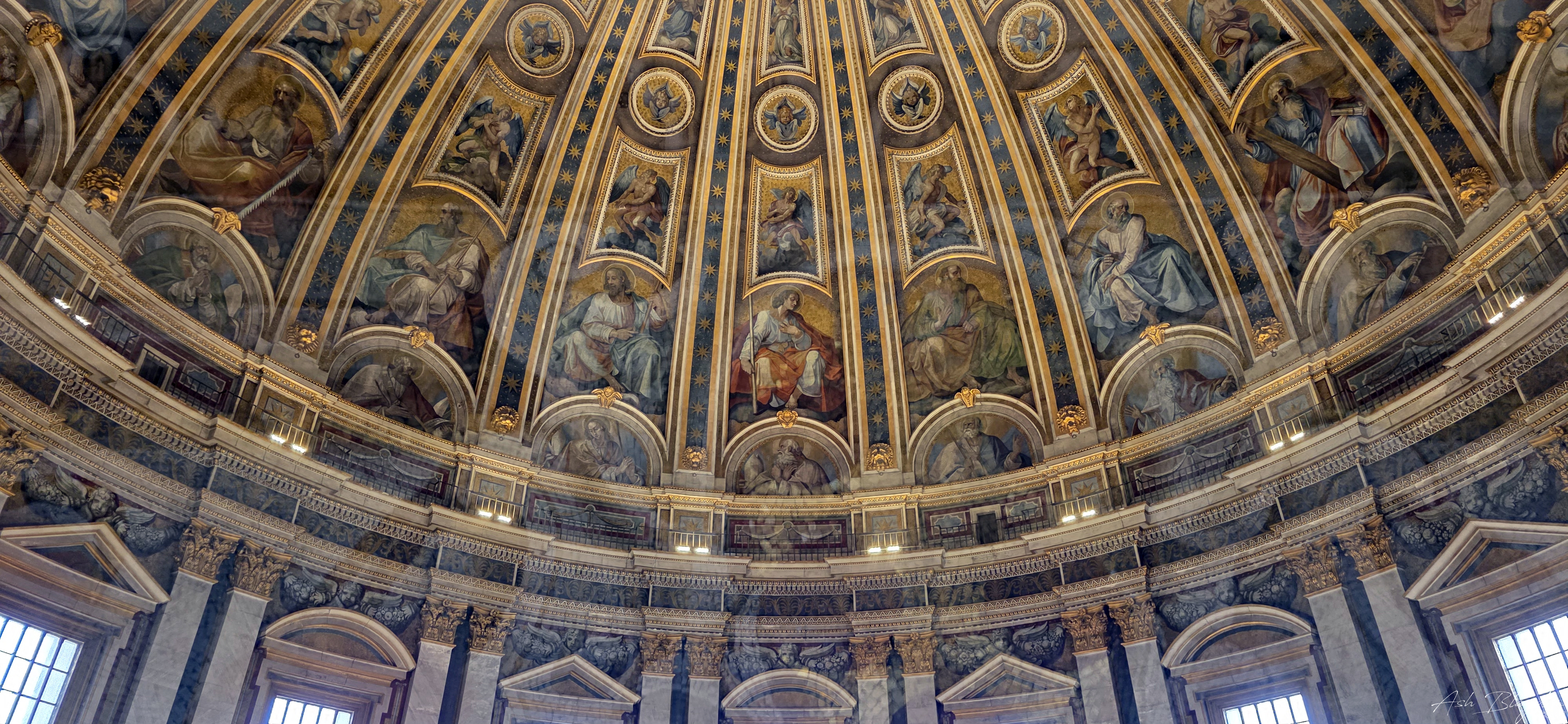
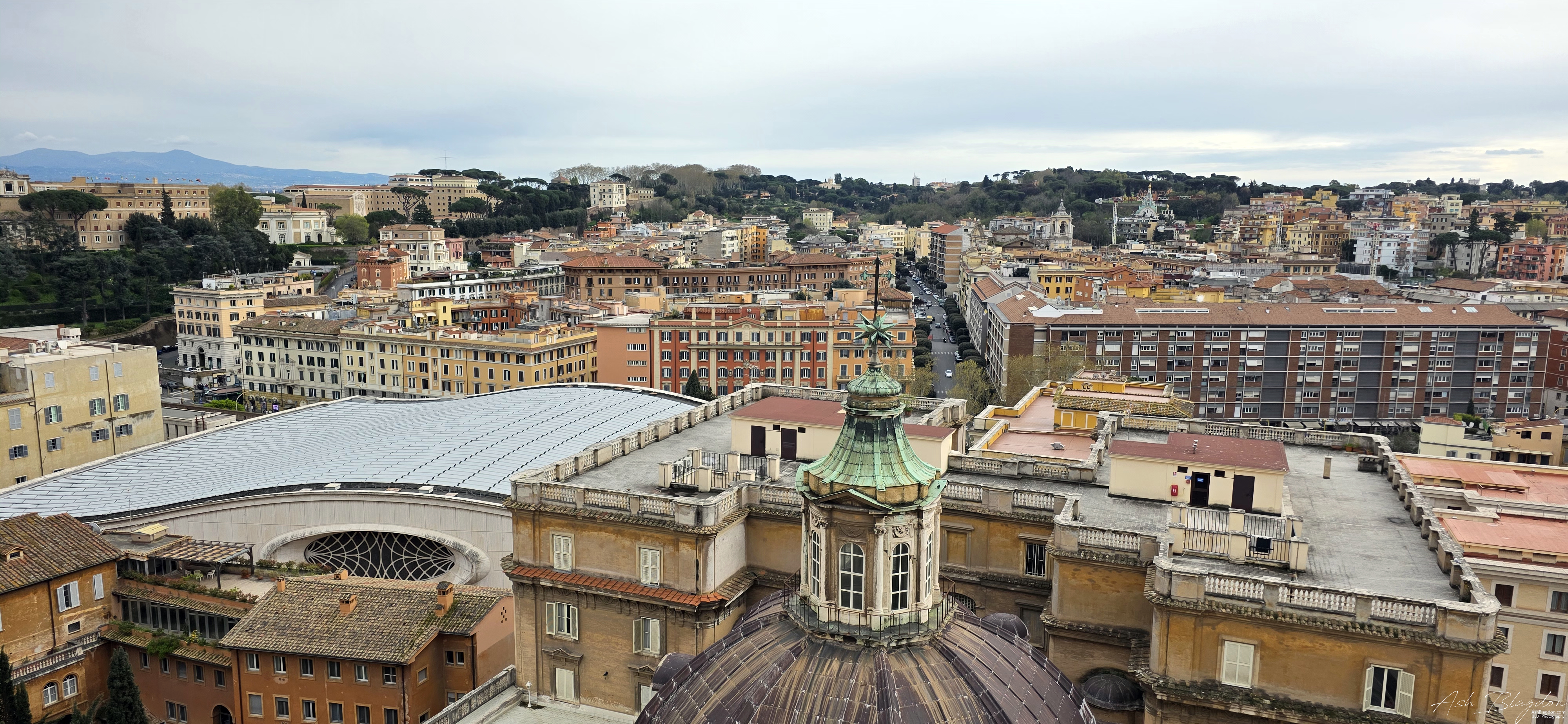
This is another must see. It is huge, just walking around the ground floor is fascinating. Money is no object with the architecture in here. Don’t miss the tiny door which takes you down to the tombs of the Popes which was very quiet and a little eery. Definitely head up stairs to the roof, it did cost a small fee, but it’s worth it. The signs make it look like there are lots of stairs, 320 steps, but you can use a lift to skip these. Then the picture dictated a total of 551, so there should have been another 231 after the lift. We though only counted about 10 steps after the lift. You get to walk around the inner edge of dome looking down on the inside of the cathedral. Then you actually head out onto the roof where there is a small shop, even a post box and views across the city.
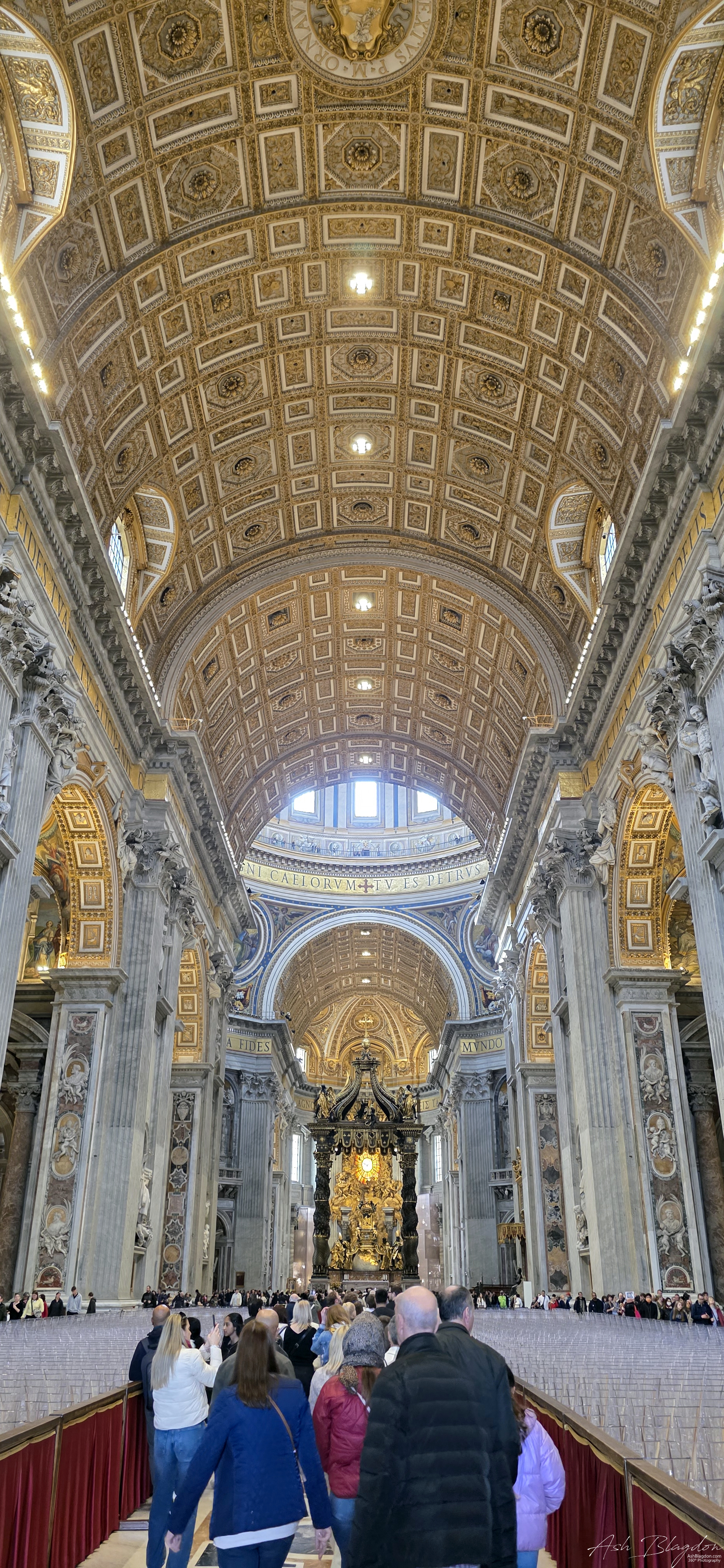
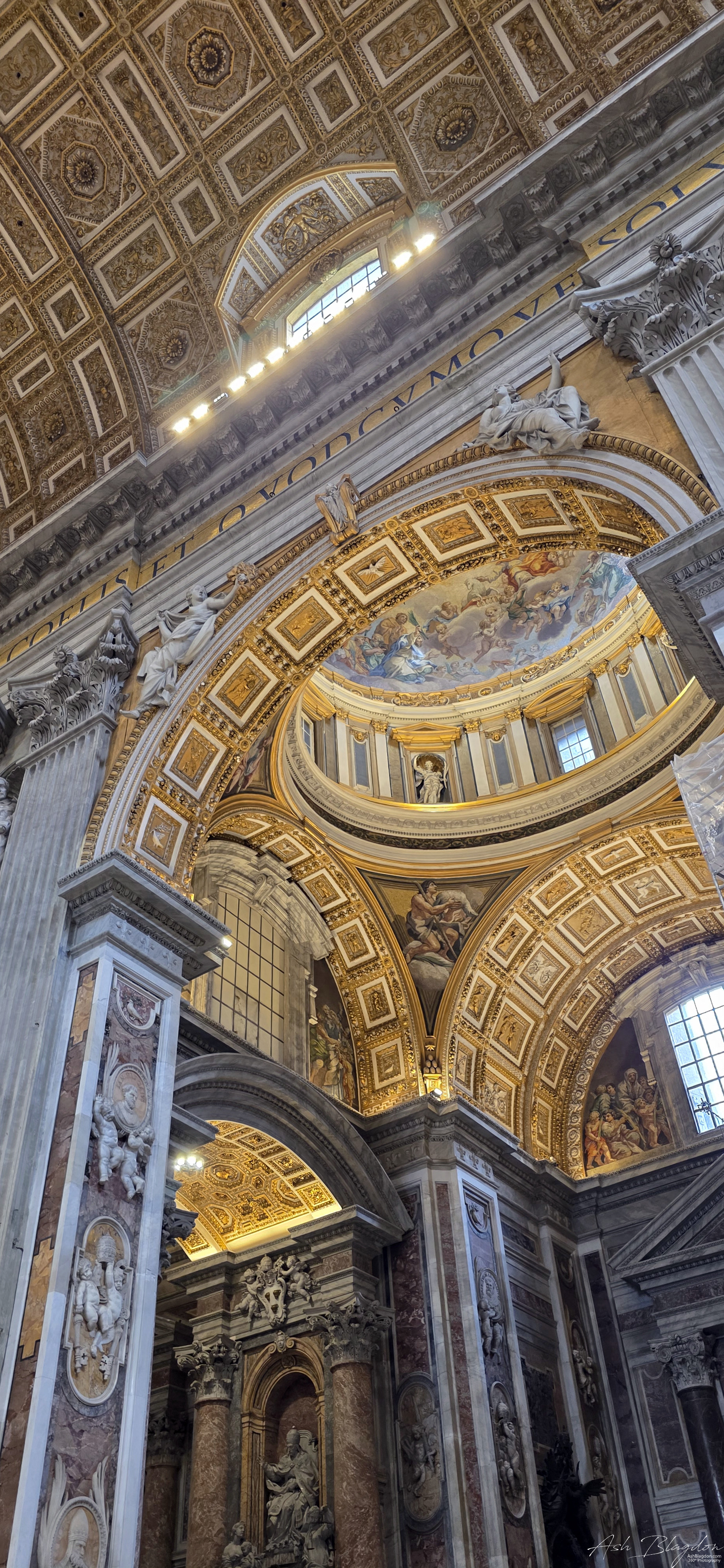
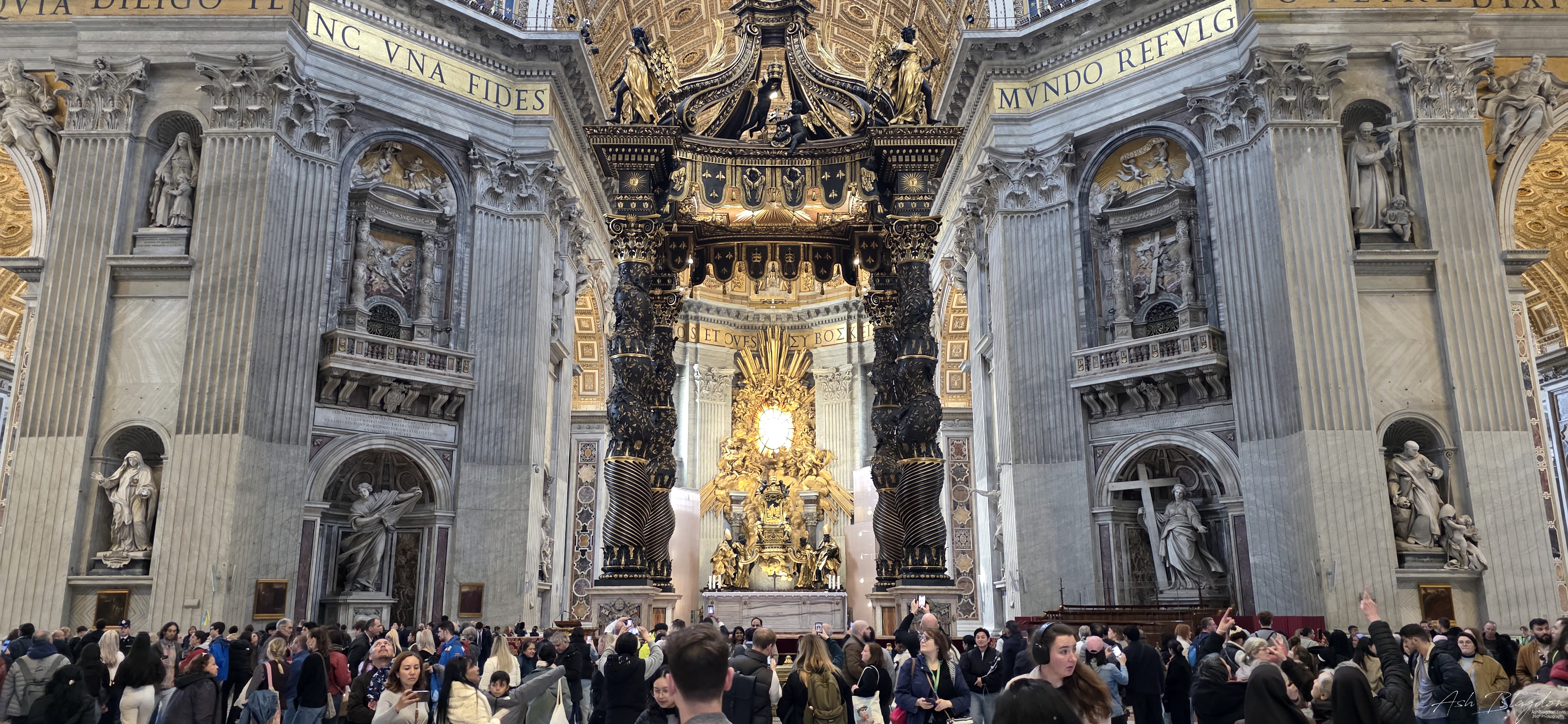
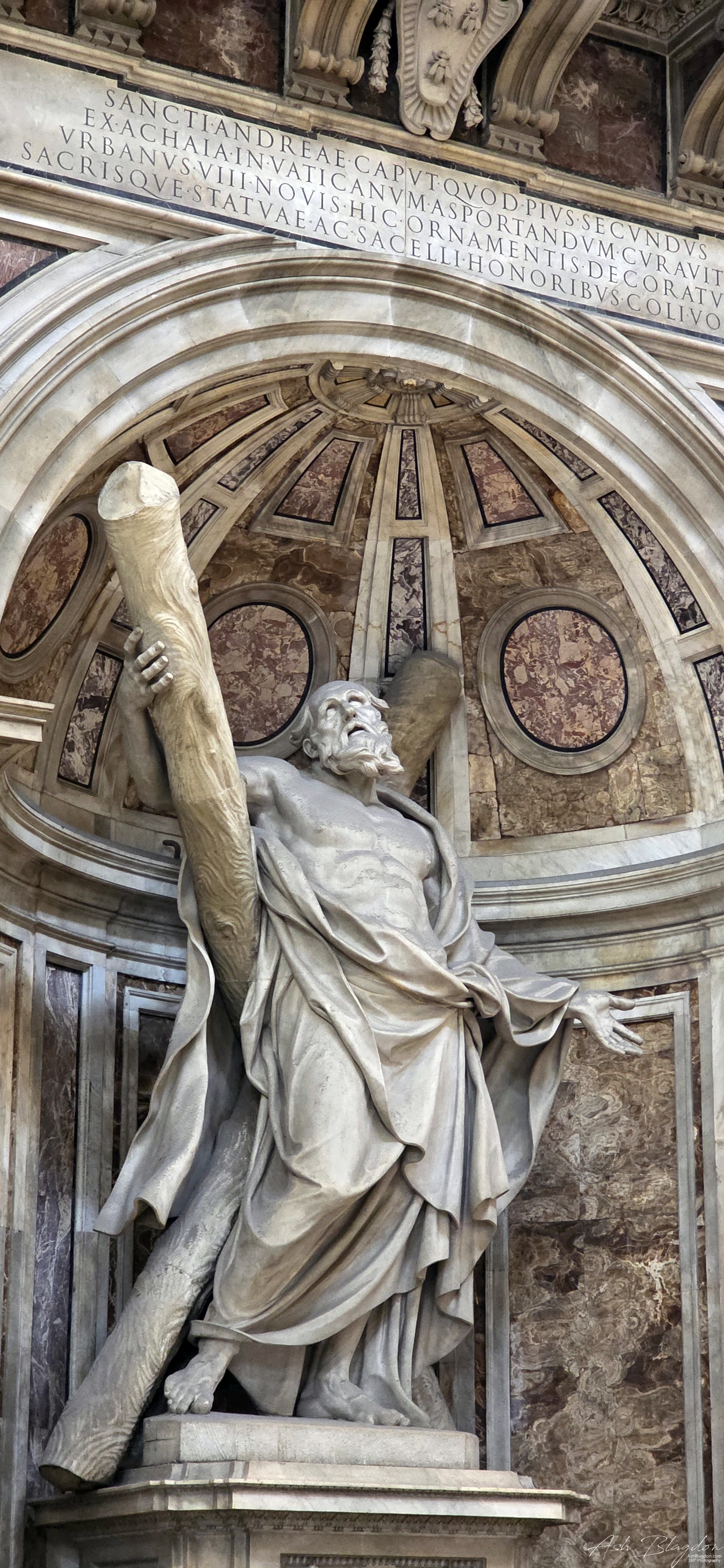
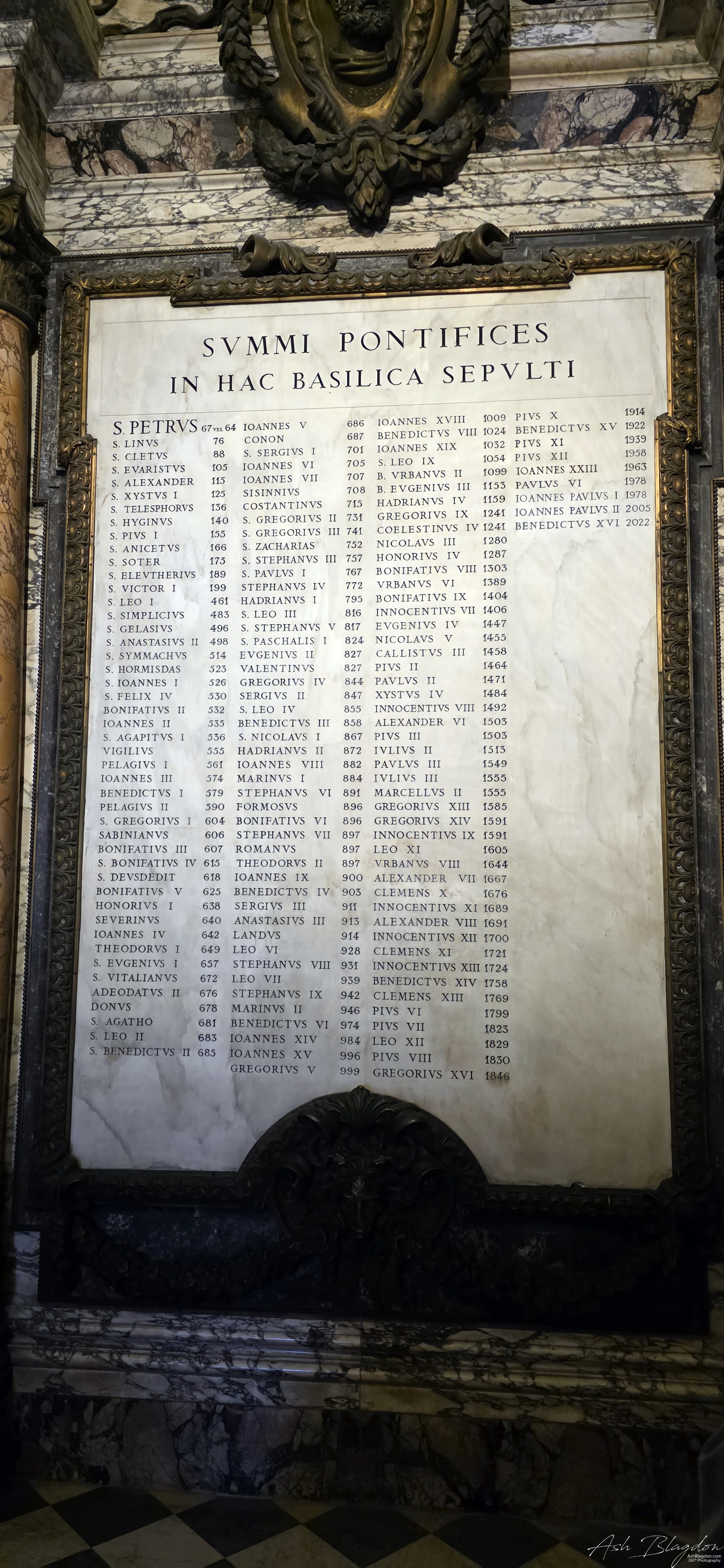
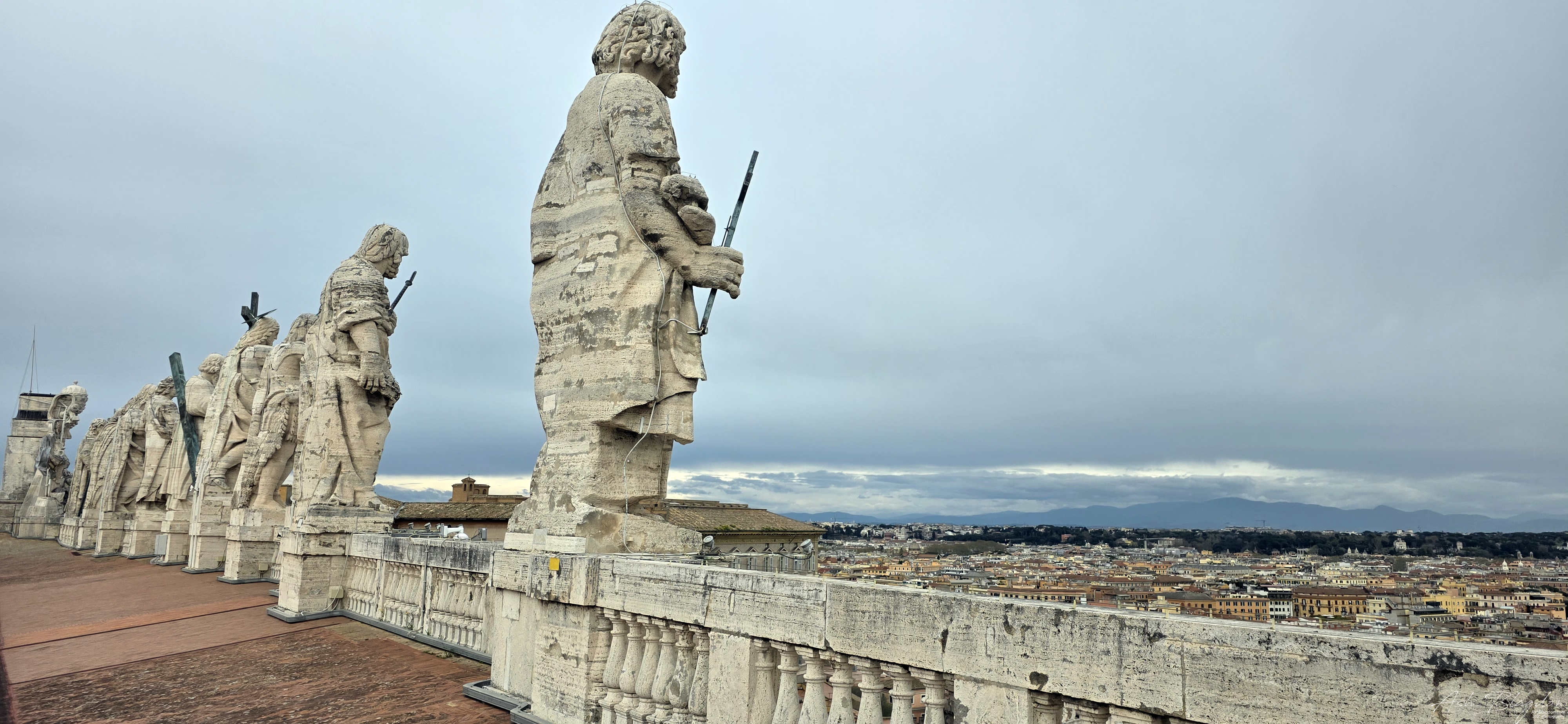
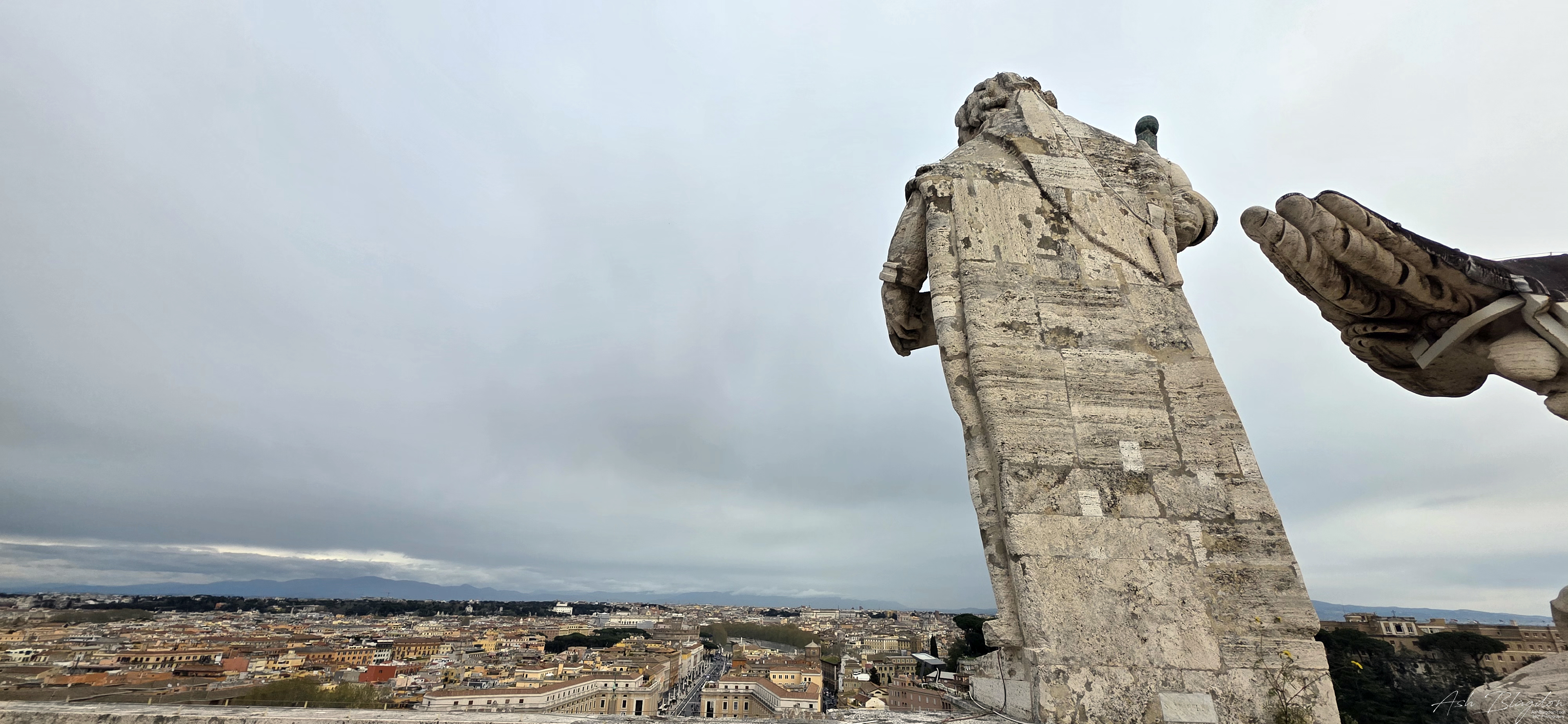
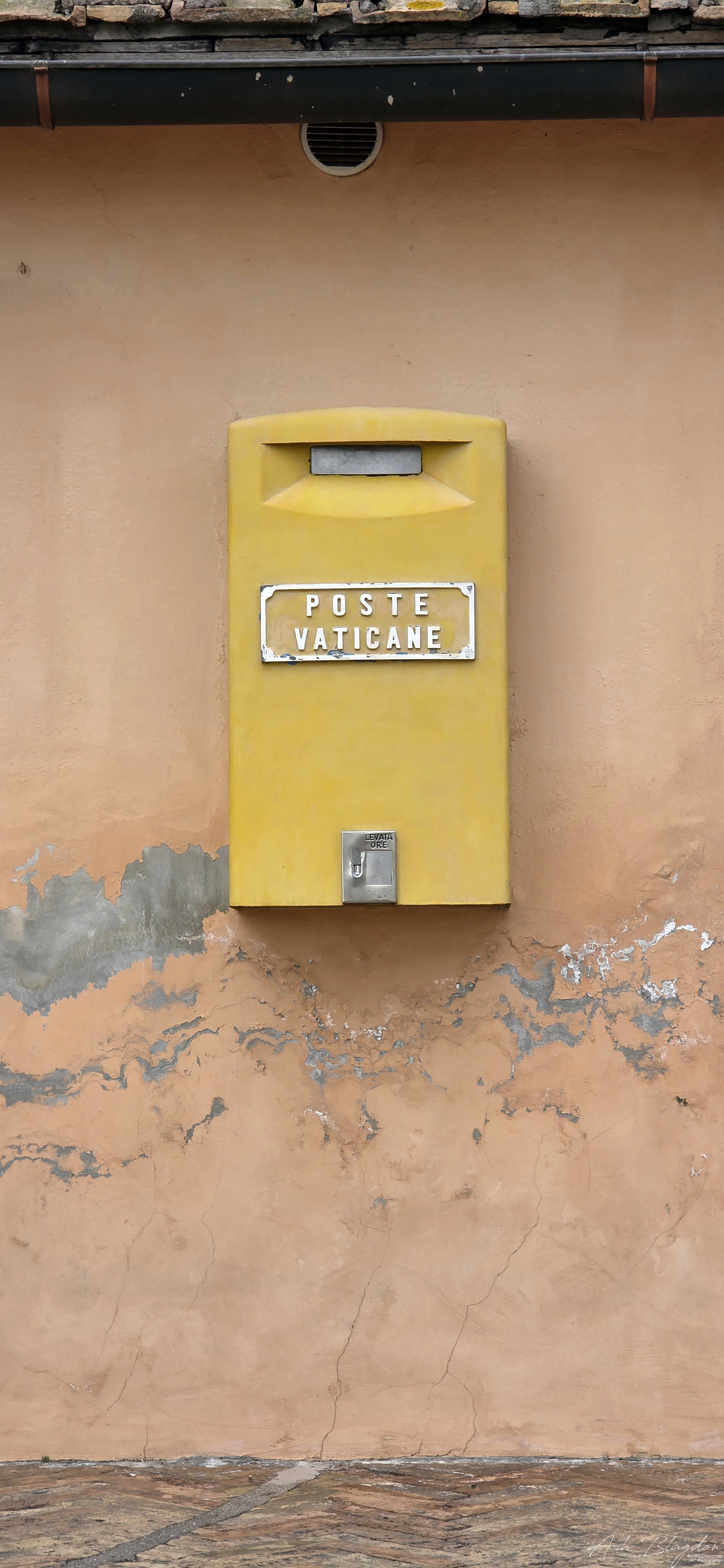
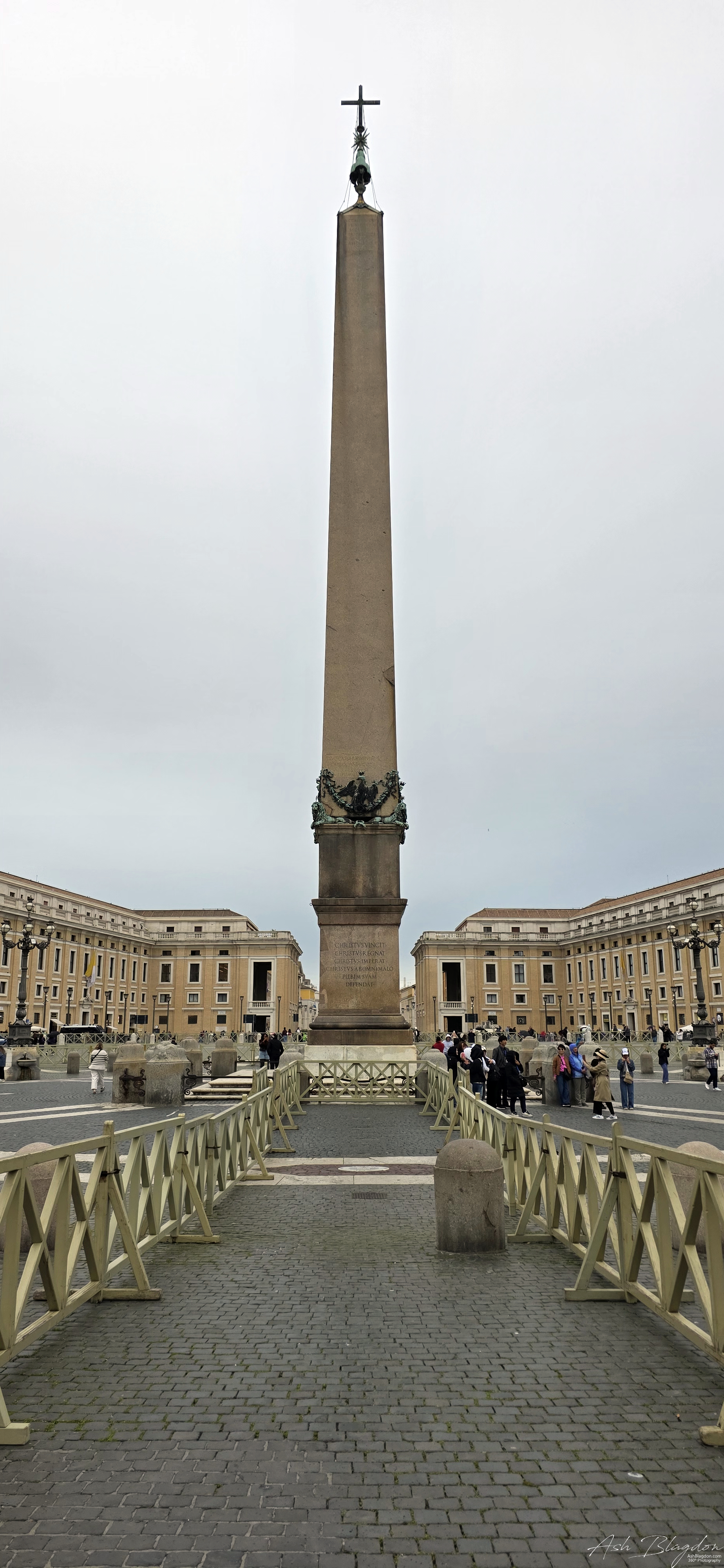
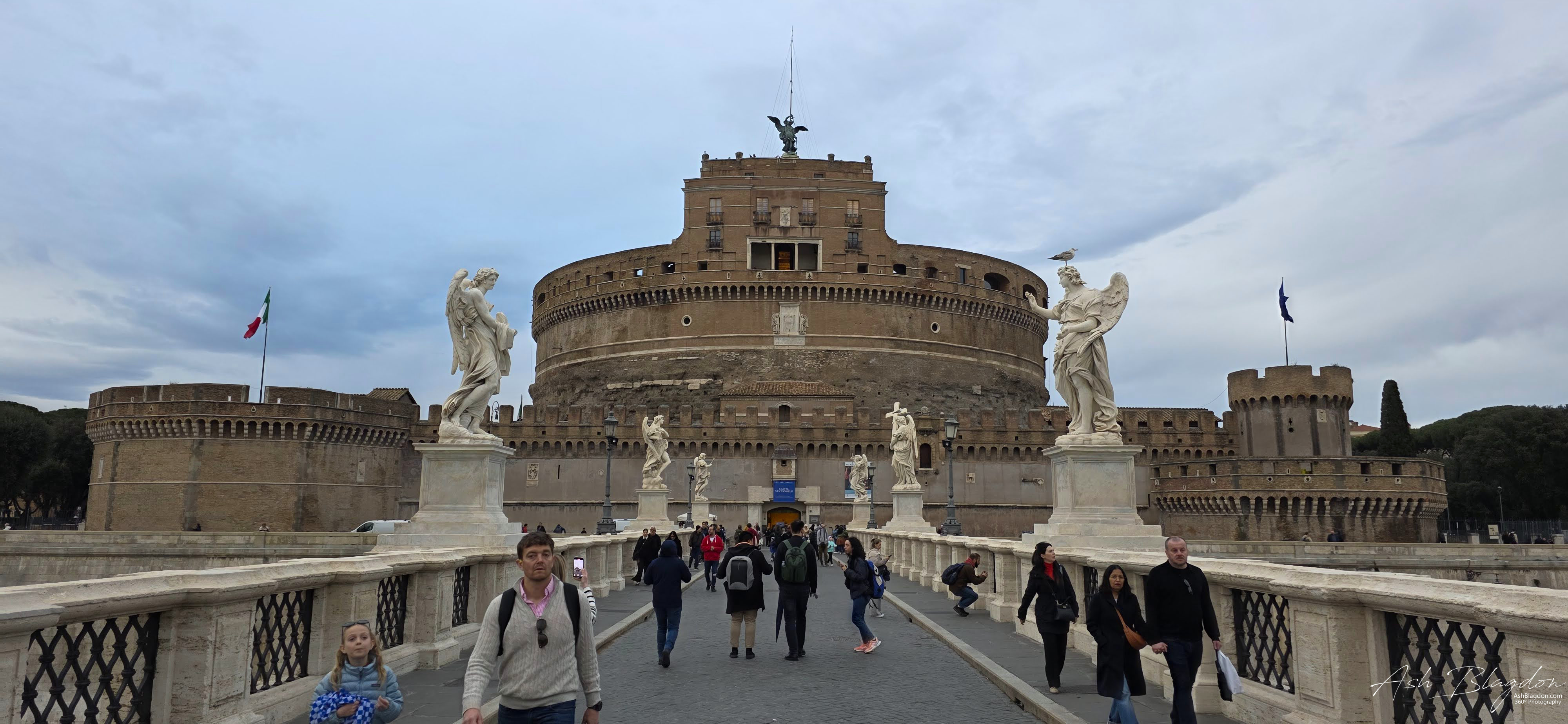
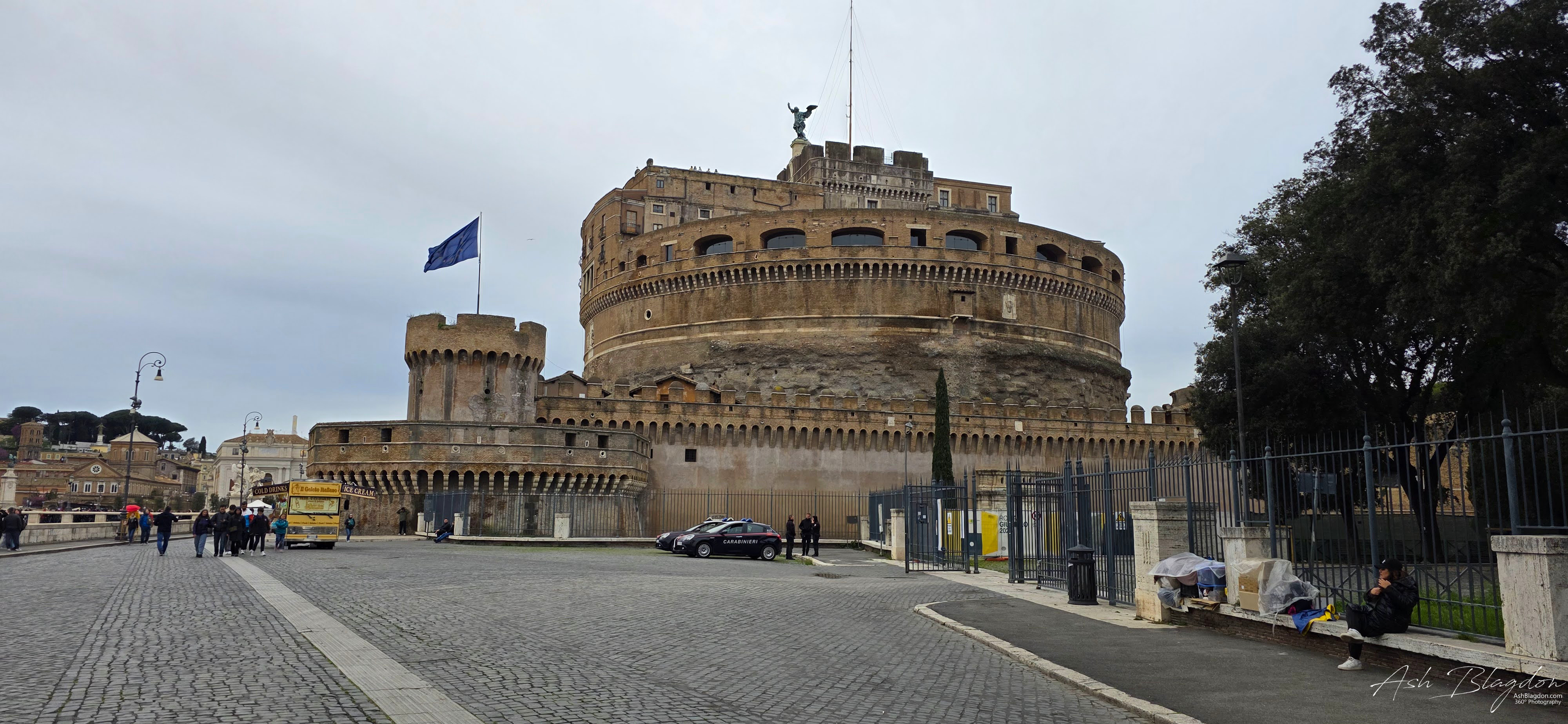
We tried to get into the Holy Angel after having been to Vatican City for most of the day. We made it to the Holy Angel an hour before the last entry. This was when were told our Turbopass QR codes on the app weren’t entry tickets and there should be a small marquee outside with the Turbopass people inside that would have thew tickets. However when we went outside we were told that they had packed up and gone home early, so we didn’t get to go in as we didn’t want to pay for another entry fee. Instead we just slowly walked our back toward the city centre taking in all the surrounding sights, finding a few refreshments on the way.
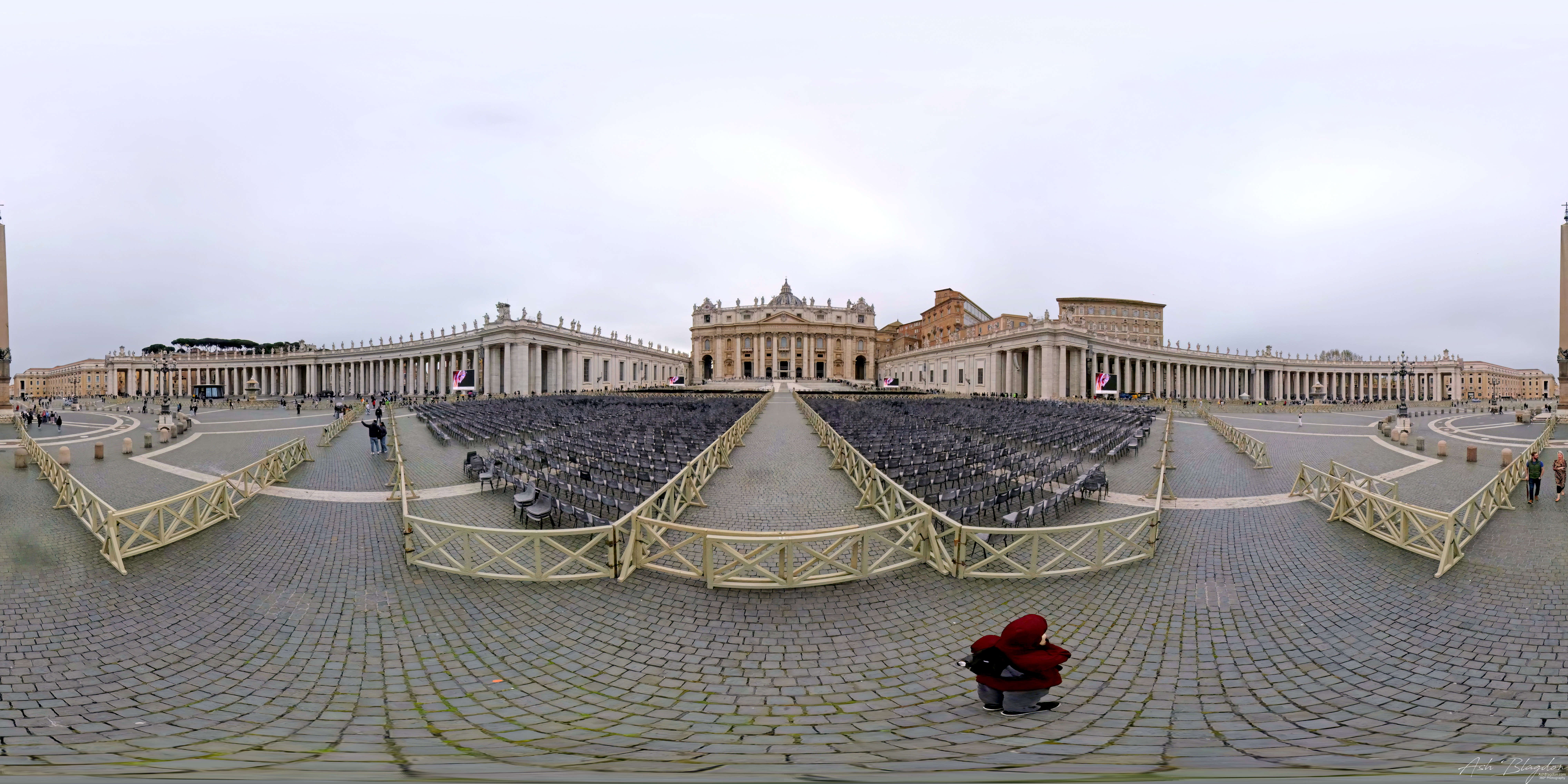
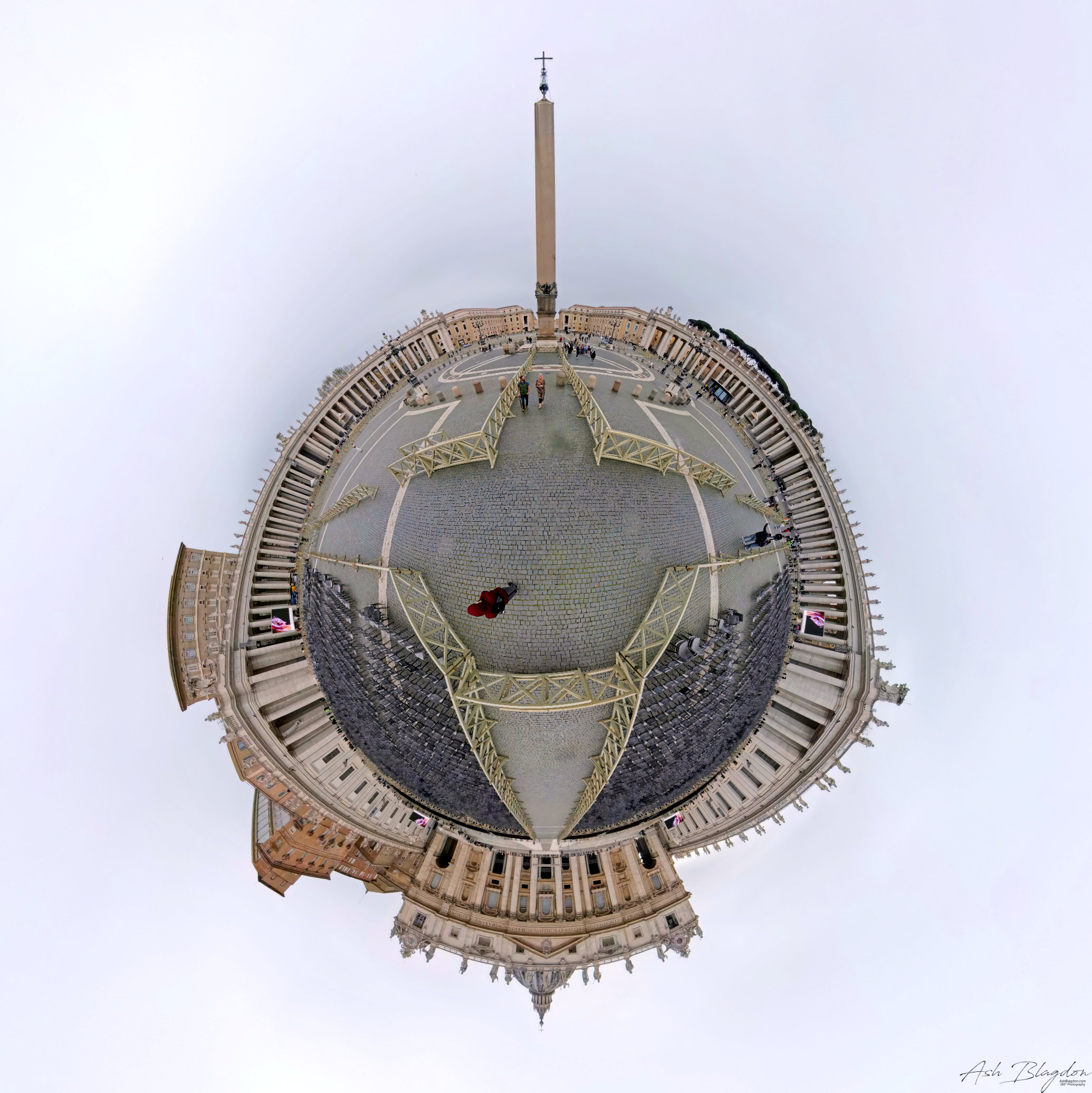
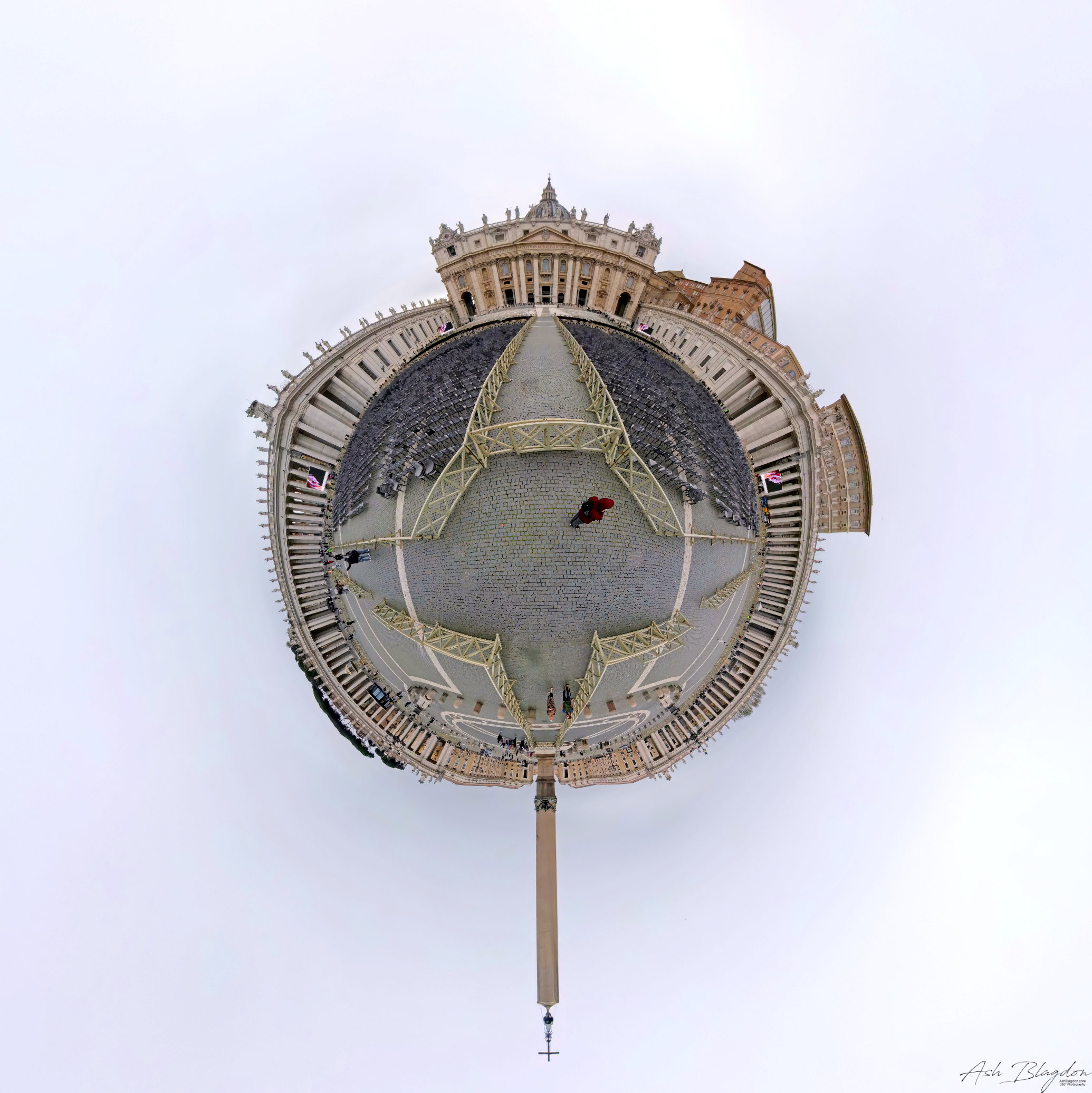
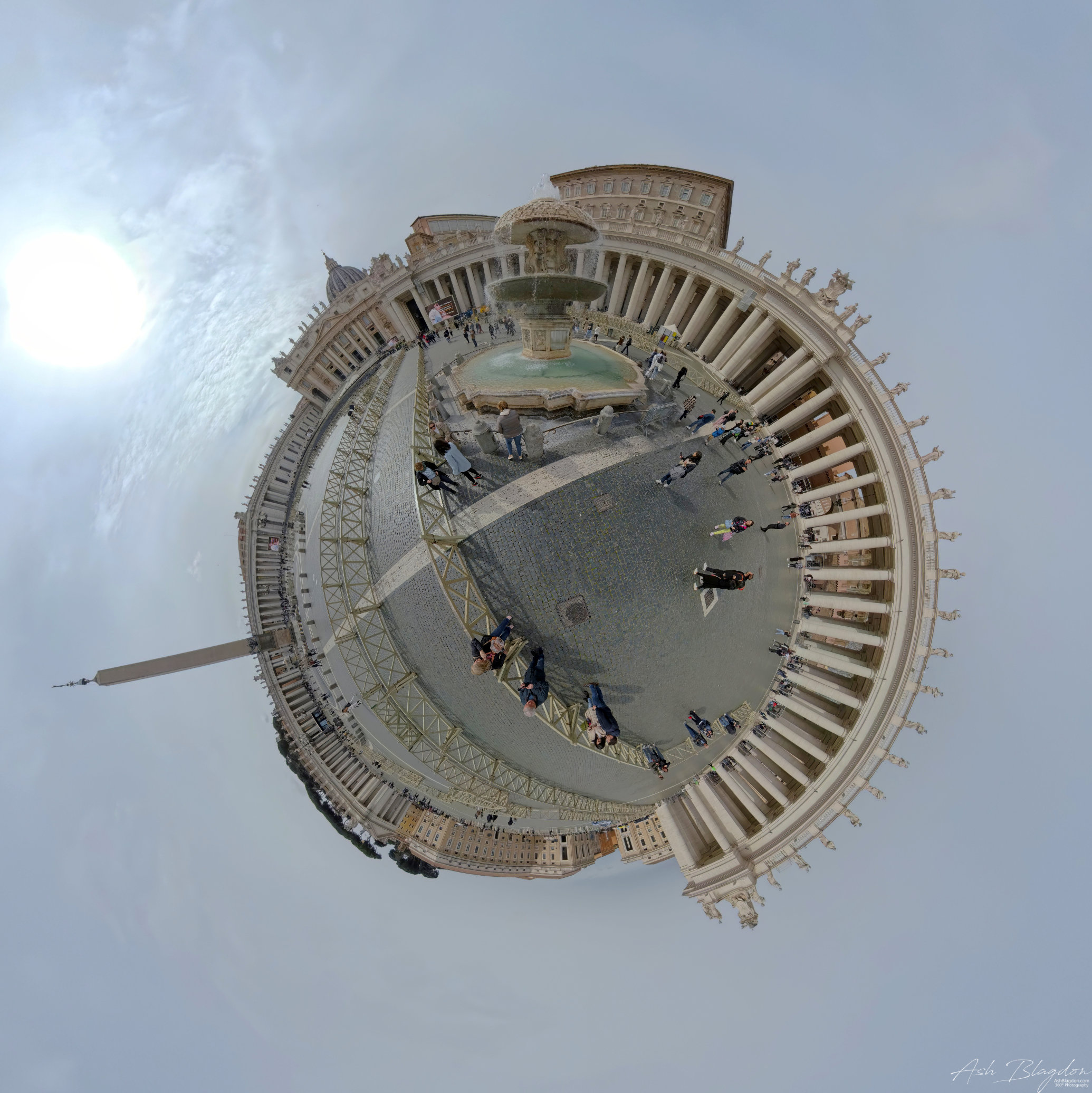
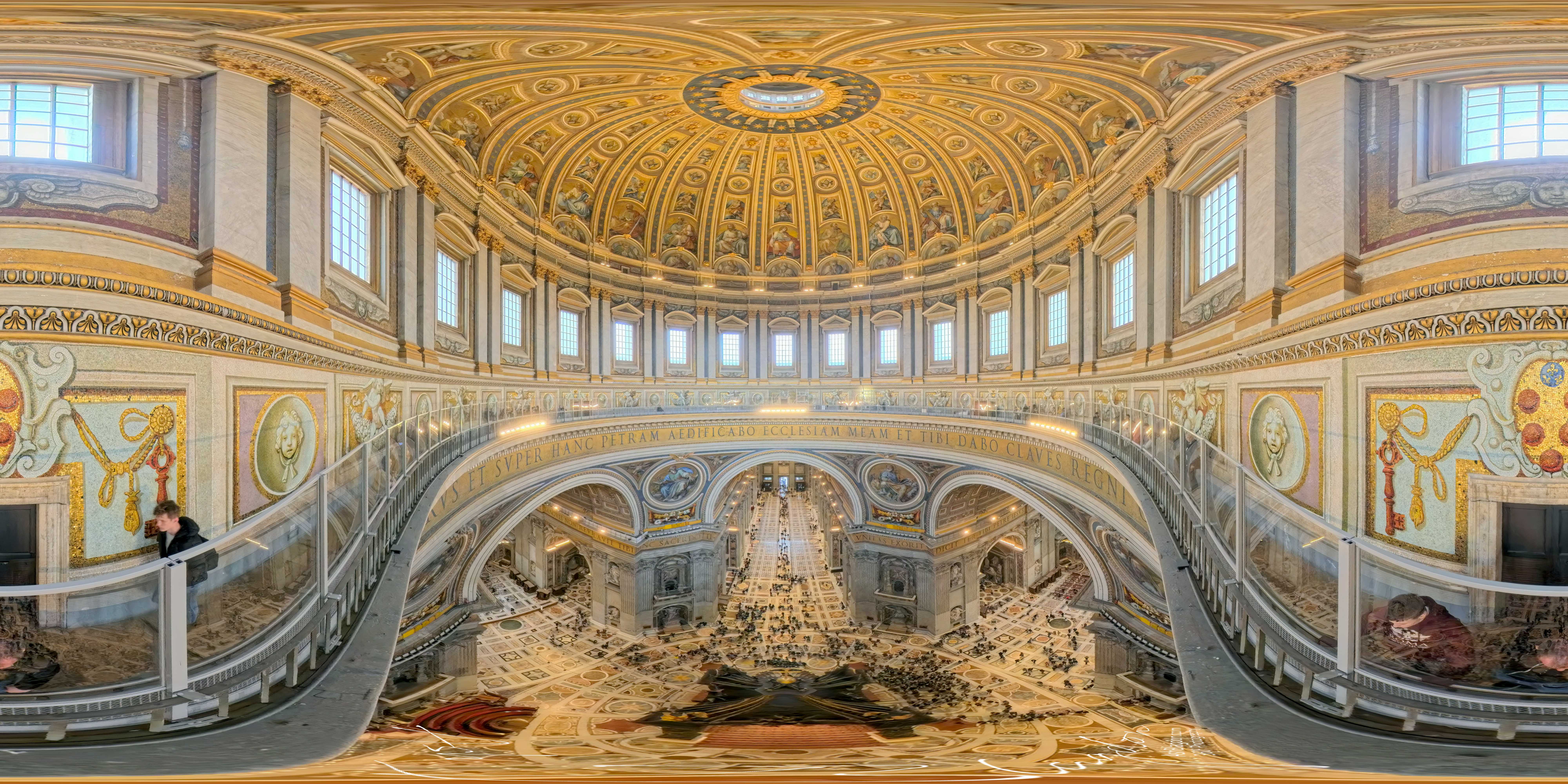
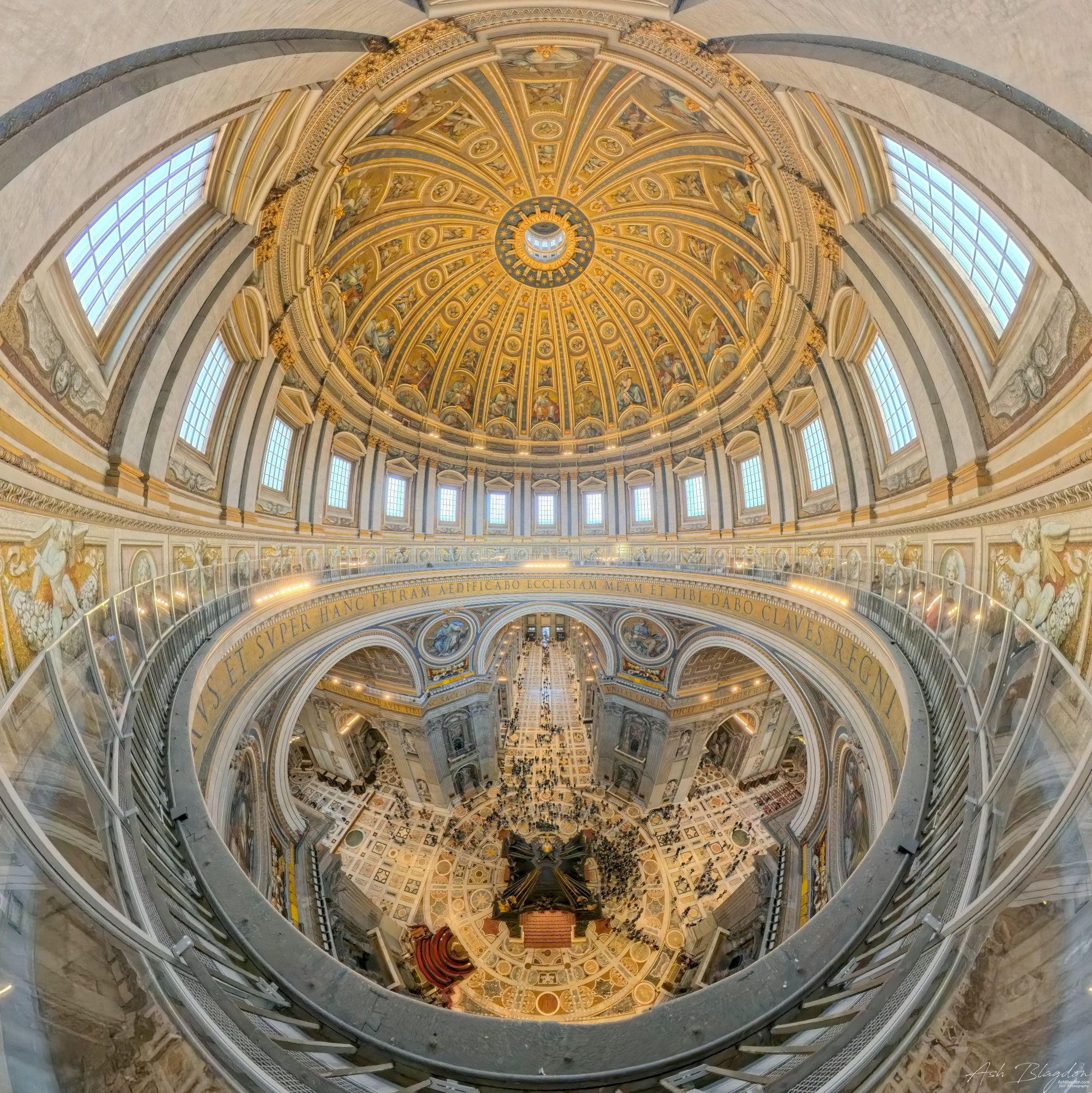
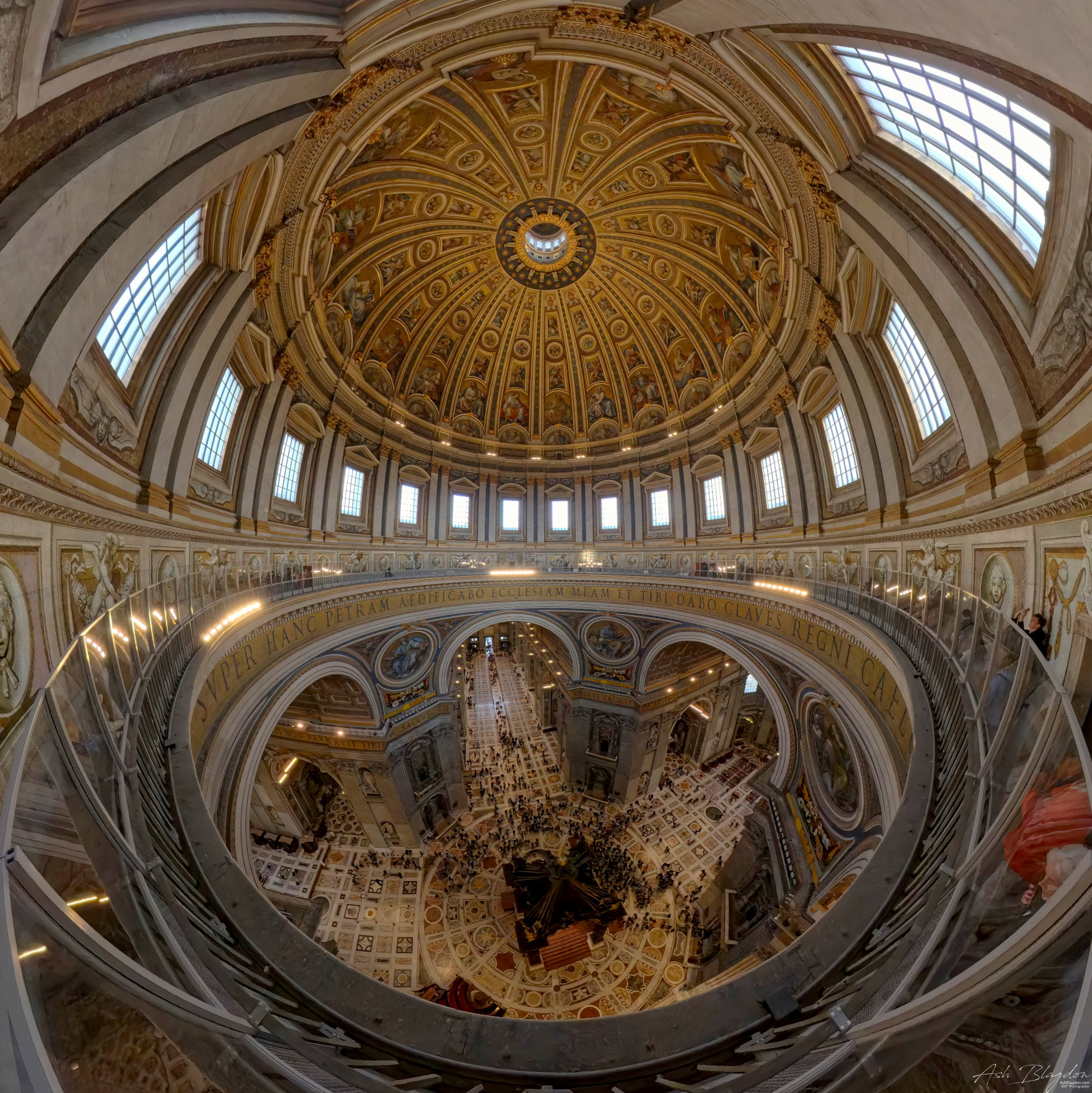
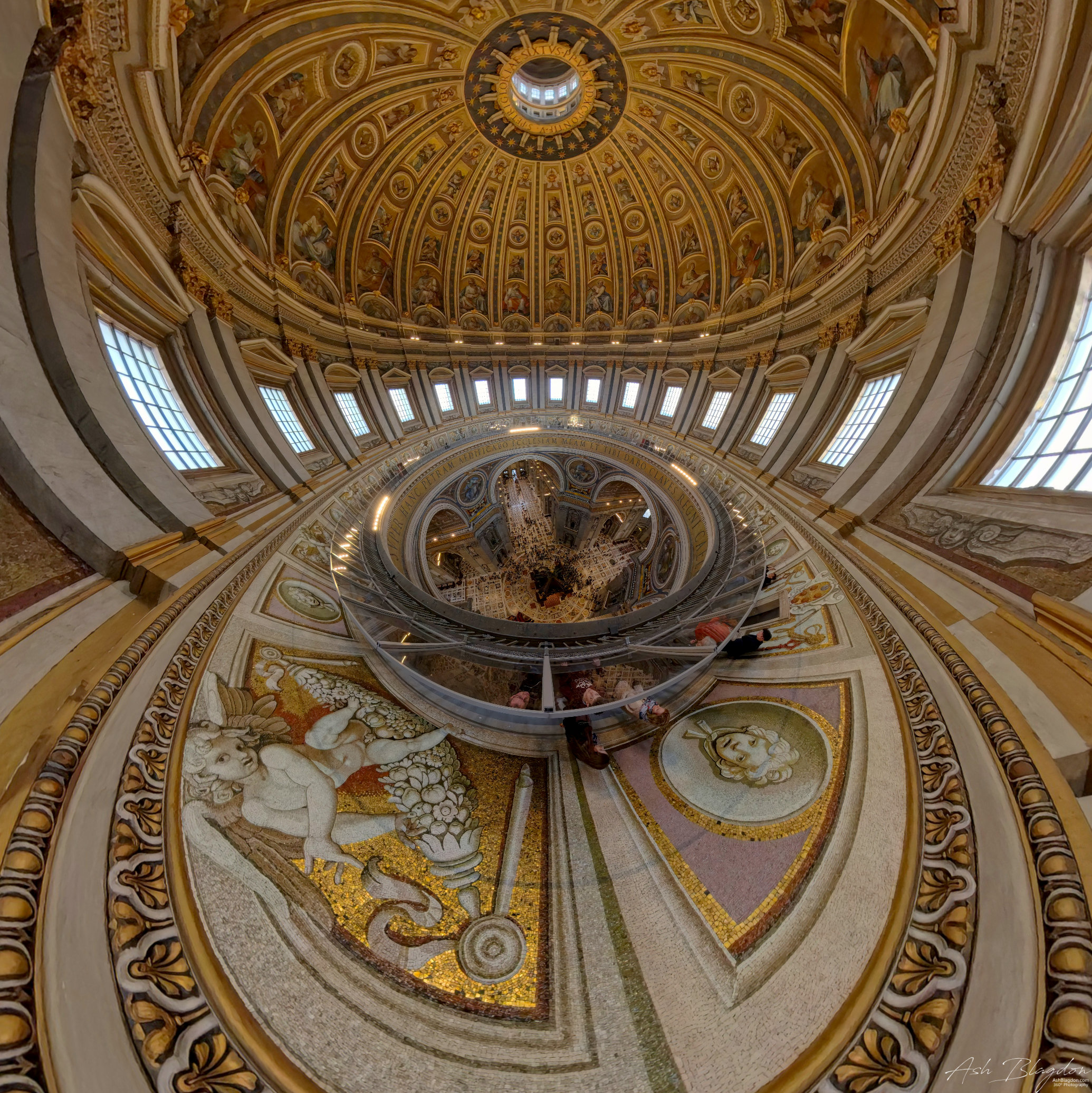
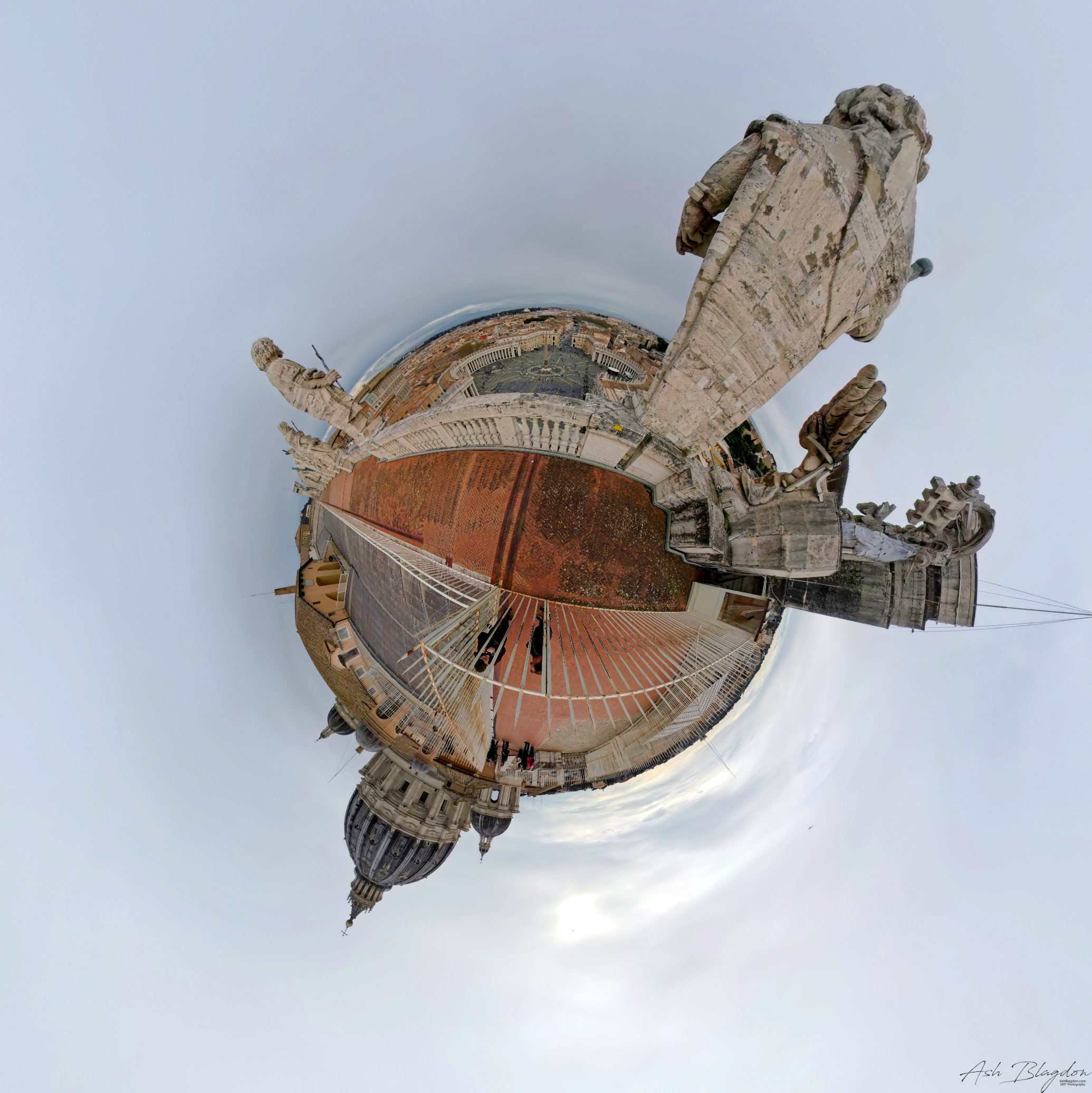
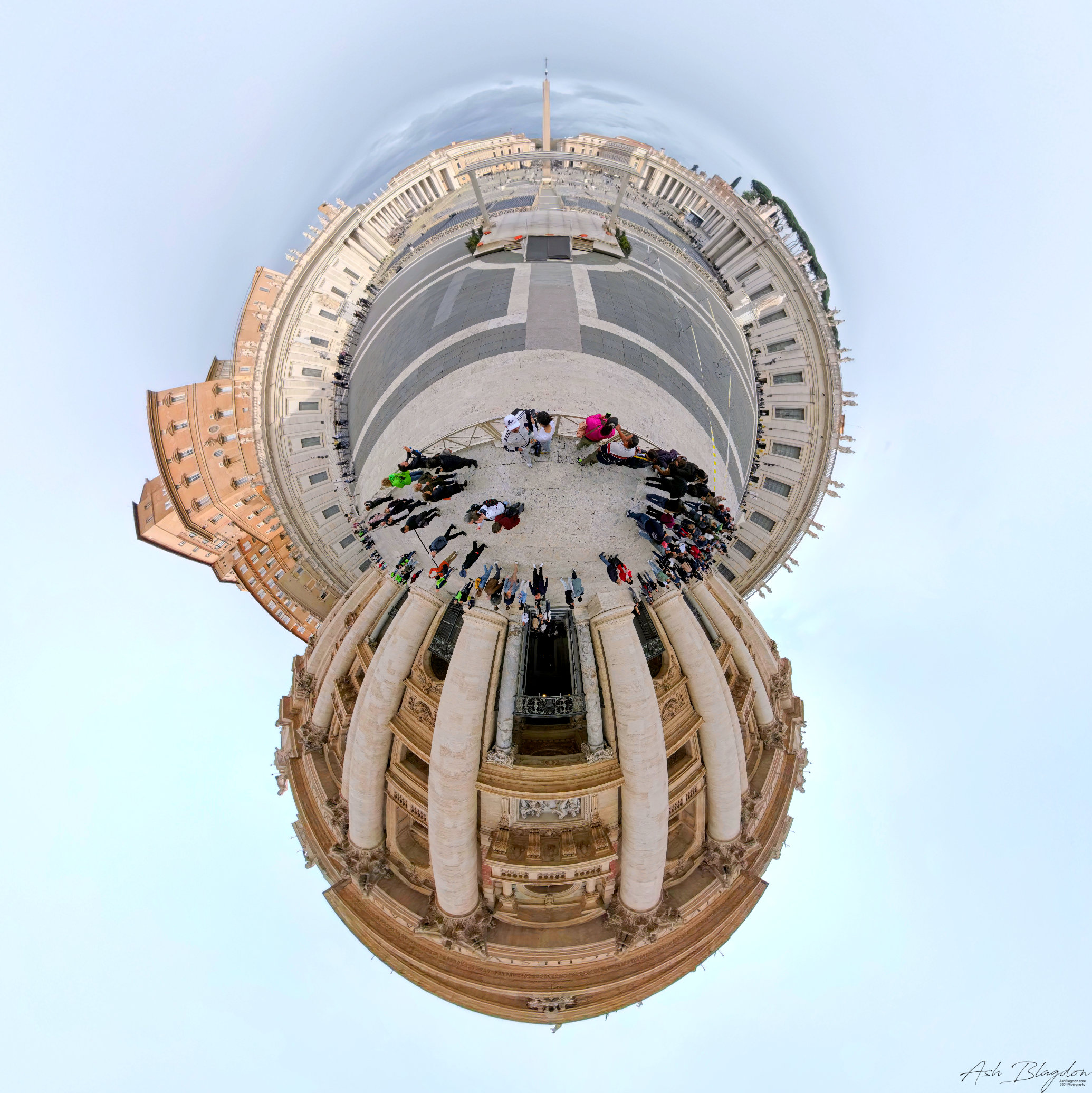
Click here for more Tiny Planets
- Spanning just 44 hectares, the Vatican City is around one-eighth the size of New York’s Central Park making it the smallest country in the world and the headquarters of the worldwide Catholic Church under the governance of the Holy See.
- The Vatican prints its own stamps, issues its own passports, and licenses its own license plates.
- With about 1,000 citizens, Vatican City has the smallest population of any country in the world.
- Religion plays a prominent role in Italian culture, with the majestic Vatican City serving as the spiritual and administrative centre of the Roman Catholic Church. The majority of Italians identify as Catholics, and when visiting Italy, you will encounter numerous chapels, and churches.
- Vatican City is actually a monarchy. This means the Pope is not only the leader of hundreds of millions of Catholics around the world, but also the ruler of a country, some could say the King. As a result, the Pope’s home is fittingly called The Apostolic Palace.
- Construction of St. Peter’s Basilica took 120 years. Building began on April 18, 1506, and was completed on November 18, 1626.
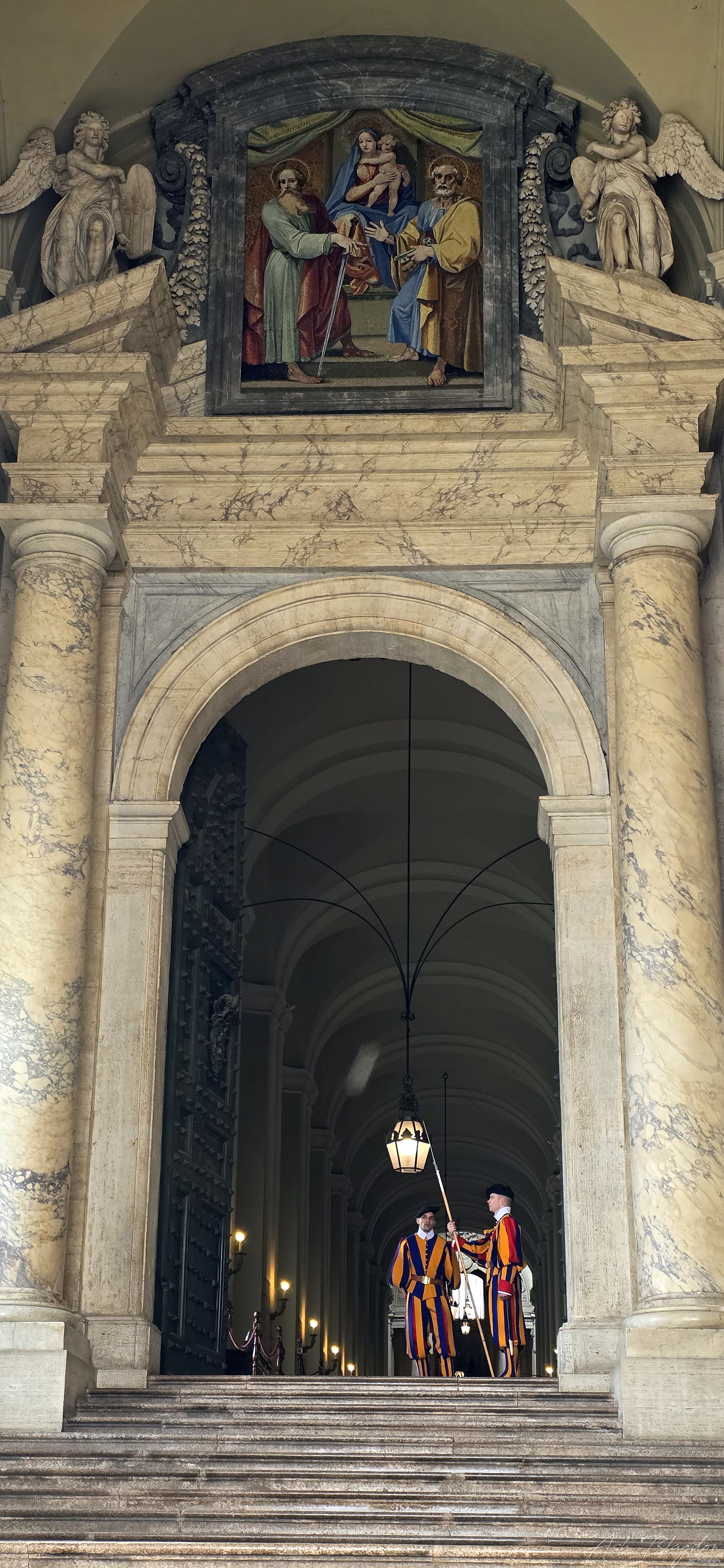
- Founded in 1506 by Pope Julius II, the Swiss Guard has protected the Vatican and the Pope for over 500 years.
- The Vatican is the only country on earth to be entirely designated as a UNESCO World Heritage Site.
- Italy is home to not only one, but two independent countries: Vatican City and San Marino.
- If you experience an emergency, dial 113 for assistance.
- Time zone in Italy (GMT+1)
- Country Code: +39
- Currency: € (Euro)
- Vatican City became an independent city on February 11, 1929, through the signing of the Lateran Treaty between the Holy See and Italy.
- In 64 AD, during Nero’s persecution of Christians, Saint Peter the Apostle was crucified upside down and buried in a nearby graveyard.
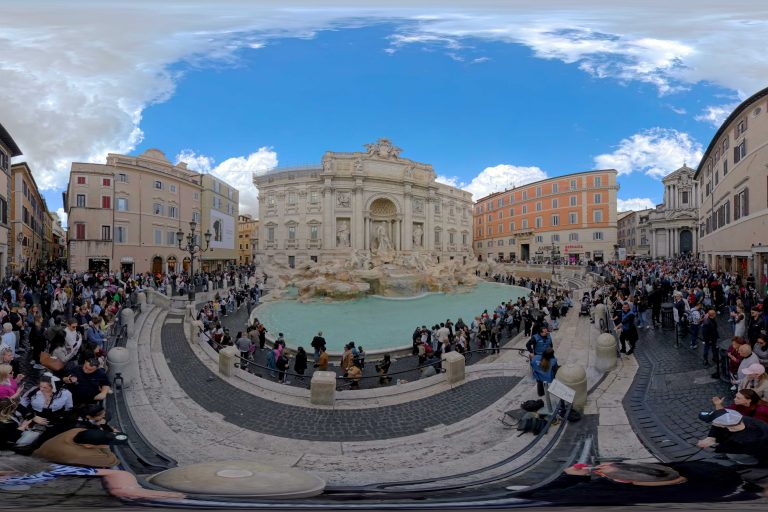
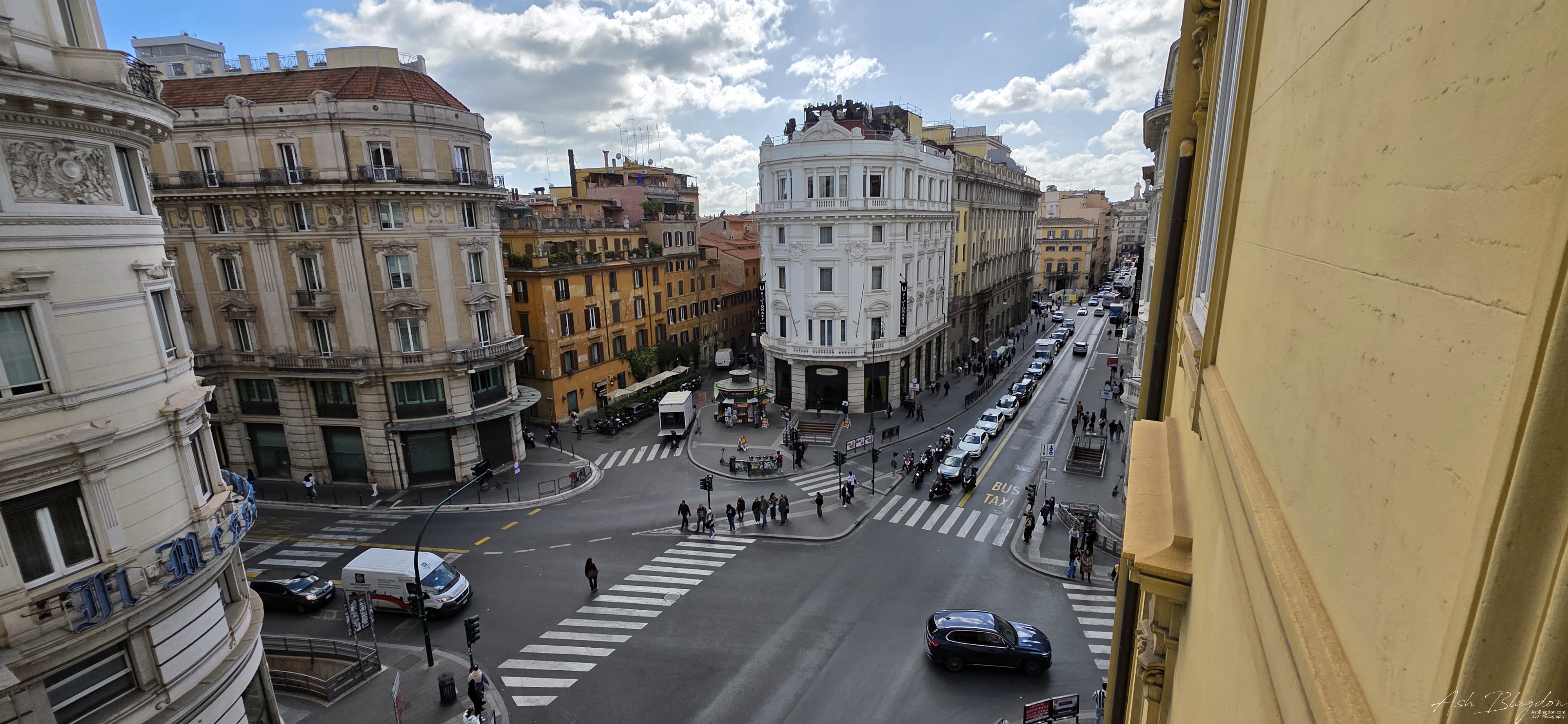
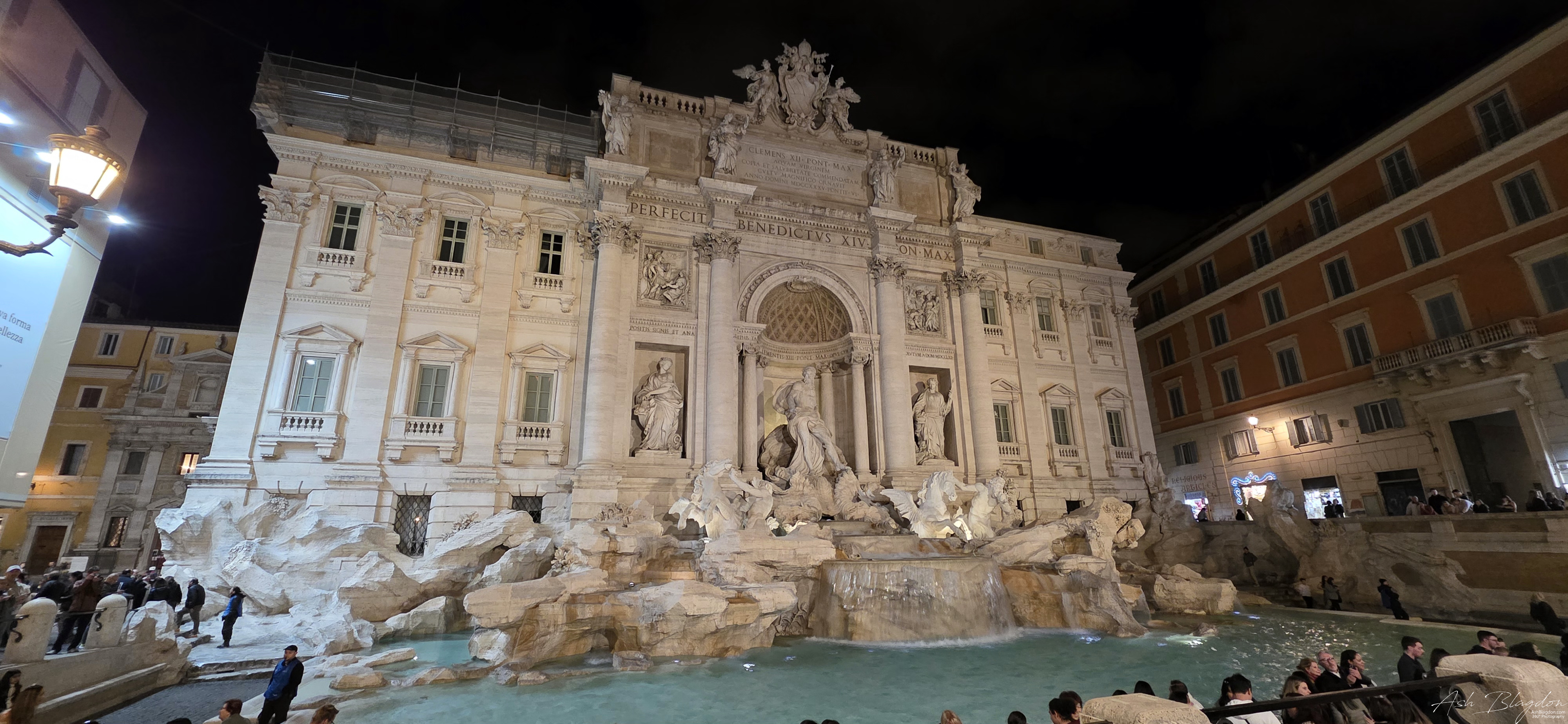
While staying in Rome I was in hotel Rome Kings Relais just around the corner from the Trevi Fountain.
- Airbnb, available everywhere in Italy. Private rooms €60-80 per night, apartments €80-115 per night.
- Hostel, €32-45 per night (€25-35 during the summer). Private rooms €92-170 per night.
- B&B & Guest Houses, €33-70 per night.
- Hotels, €90-140 per night (€10-20 less per night in the off-season). These range from simple two-star to lavish five-star and all-inclusive resorts.
Tip: Stay outside city centres. If you are open to staying on the outskirts, you can save a lot of money on accommodation. Food outside of the city is much cheaper as well, and it’s usually easy to take the train for your sightseeing.
The top notable events, festivals and experiences
- Wednesday General Audiences: Held almost every Wednesday at 9:15 AM or 10:00 AM (local time) in St. Peter’s Square or the Paul VI Hall.
- Sunday Angelus: The Pope addresses the faithful and prays the Angelus from the window of the Apostolic Palace overlooking St. Peter’s Square at 12:00 PM every Sunday. Tickets are not required for this event.
Italian is a Mediterranean cuisine and the key characteristics are its simplicity, with many dishes made up of few ingredients. Therefore Italian cooks often rely on the quality of the ingredients, rather than the complexity of preparation. Rich in pasta, fish, fruits, and vegetables. Cheese, cold cuts, and wine are central to Italian cuisine, along with pizza and coffee (especially espresso) form part of Italian gastronomic culture.
- Each region of Italy has its own traditional recipes, so the best thing to eat will entirely depend on where you’re going to be.
- Commonly known around the world as spaghetti Bolognese, in its authentic form ‘Ragu alla Bolognese’ is recognised as the national dish of Italy.
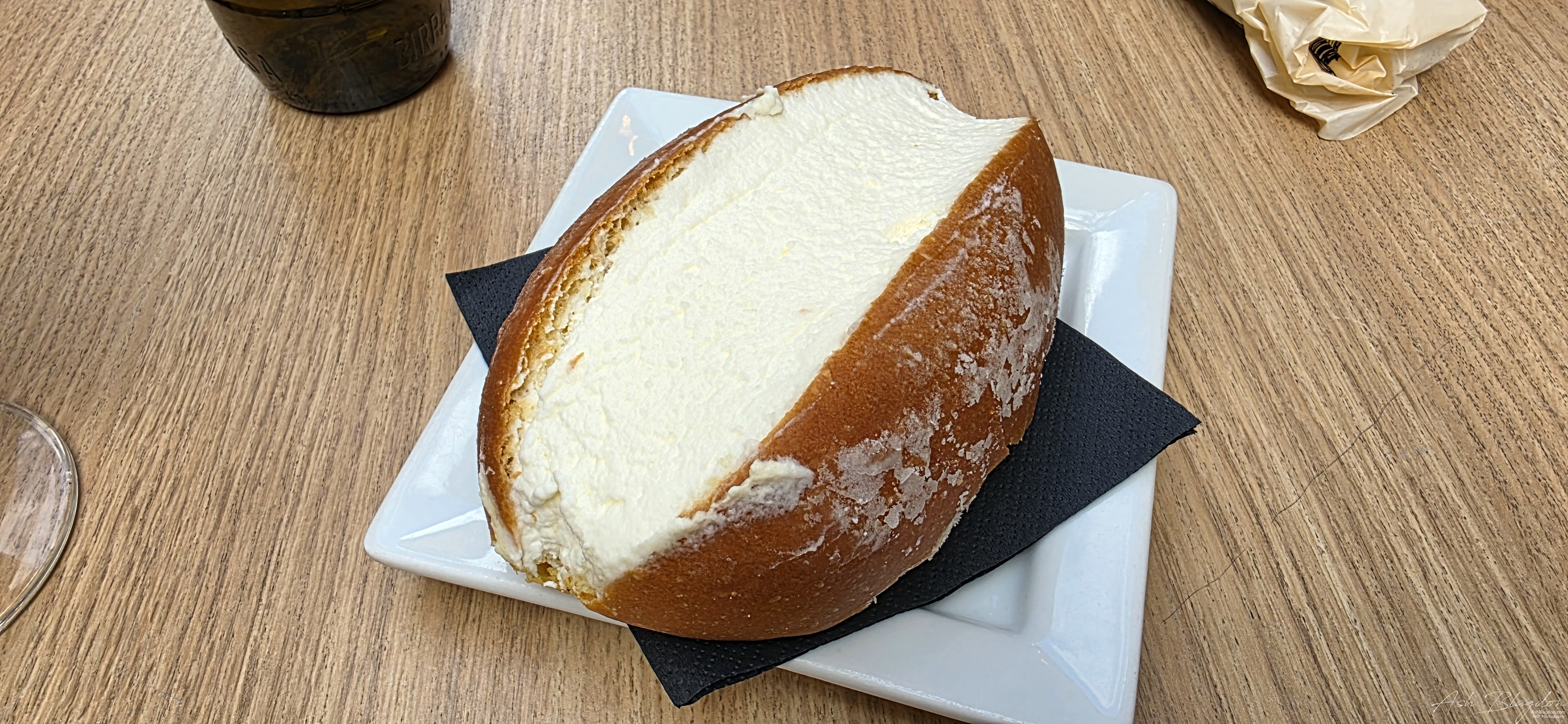
- A typical Italian breakfast usually consists of a sweet pastry like a croissant (called “cornetto” in Italian), often accompanied by a cappuccino, with other popular options including yogurt, fruit, biscotti, and sometimes a slice of “fette biscottate” (a type of rusk) with jam or hazelnut spread; the focus is generally on light, sweet foods and strong coffee.
- Bistecca alla Fiorentina is a Florentine style steak.
- Amaretti are an Italian type of macaron. Most of them are almond-flavoured, but originating from Saronno is also a more bitter-sweet flavoured amaretti which is made of apricot kernels.
- Buffalo mozzarella is made of a water buffalo’s milk. It is considered to be the most authentic type of mozzarella especially if it was made in Campania.
- Farinata is an Italian type of a thin pancake.
- Gelato is a frozen dessert created by an Italian chef in the late 17th century. Similar to ice cream, the difference is gelato contains less milkfat and has a texture that is denser and creamier.
- Mortadella originating from Bologna, is a large sausage made of pork usually served in thin cuts, either as antipasto or in a sandwich.
- Polpette (Meatballs)
Tip: Italy is the world’s largest producer of wine, as well as the country with the widest variety of indigenous grapevine varieties in the world.
Tip: Italians don’t actually combine spaghetti and meatballs as a dish.
Tip: If many dishes have an asterisk after them, hightail it out of there. Asterisks in Italy mean that one or more items are frozen.
To legally fly a drone in Italy you need to register as an operator with the Italian Civil Aviation Authority (ENAC), maintain a direct line of sight, and adhere to specific altitude and distance restrictions, including staying away from crowds and congested areas.
- If your drone weighs less than 250 grams and is equipped with any sensor (i.e. camera): no remote pilot certificate will be required for operations in the OPEN category as per EU reg. 2019/947,
- Registration on d-flight website will be required (in case you are at the same time pilot and operator) a liability insurance is required.
- Police checks are very frequent and the penalties are very severe in Italy you have to pay fines and it is possible that they will take your drone if you fly without permission.
- Unfortunately pretty much the entirety of Rome is a no fly zone.
- Italy drone laws.
- St. Peter’s Basilica: The largest church in the world. The structure is built over the tomb of St. Peter the Apostle.
- Michelangelo’s Signature: Inside St. Peter’s sits the Pietà. It is the only work of art that Michelangelo ever signed.
- The Sistine Chapel: Famous for its ceiling painted by Michelangelo, it is also the room where the College of Cardinals gathers in a conclave to elect a new Pope.
Italy has many top destinations, including cities, coastlines, and islands.
- Rome: The capital city, home to the Colosseum, Pantheon, and the Vatican City
- Florence: The birthplace of the Renaissance, and a top destination for culture lovers
- Venice: Known as “La Serenissima”, this city is a popular destination for day trips
- Milan: The fashion capital of the world
- Amalfi Coast: A romantic destination with towns like Positano and Sorrento
- Cinque Terre: A colourful destination made up of several villages
- Italian Riviera: A destination with chic towns, fishing villages, and the exclusive Portofino
- Sicily: A Mediterranean crossroads with Palermo, Taormina, and the Aeolian Islands
- Sardinia: A destination with lesser-known gems
- Tuscany: A sun-gilded landscape with medieval treasures in Florence and San Gimignano
- Puglia: Known as the bread basket of Italy
- Matera: A photogenic city with cave dwellings carved into the mountain
- Capri
- Portofino
- Naples
Major cities in Italy have great public transportation systems that often include both metros and buses. Instead of paying for single rides, many of the systems have one, two, or three-day passes that let you let you use the transportation as much as you want. Some places even a seven-day pass. This can save a lot over paying for each ride on its own or taking taxis.
- Bus, Taking the bus in town inside big cities instead of taking taxis everywhere or renting a car will save you lots of money. The bus is slower than the train but cheaper. Bus tickets are sold at newsagents and tobacconists (stores marked with a T sign) and usually cost less than €2 (US$2). Buying tickets directly from the driver is possible, but you’ll incur a surcharge.
- Car, If you rent a car, make sure you drive carefully and also have extra insurance. The roads in much of the country are very winding and narrow and drivers are on the aggressive side. Having a car is handy in the mountains, on the islands and in the rural countryside, where running buses are few and far between.
- Taxi, If you take a taxi somewhere, make sure the driver uses the meter so you don’t get ripped off. Taxi drivers in major tourist destinations do not have a great reputation.
- Train, The best way to get around Italy is via their extensive train network. Prices are affordable too, with most trips costing just 10-30 EUR.
Tip: It’s obligatory to wear seat belts (front and rear), to drive with your headlights on outside built-up areas, and to carry a warning triangle and fluorescent safety vest in case of breakdown. Wearing a helmet is compulsory on all two-wheeled vehicles.
Tip: When driving in historic centres you should also keep an eye out for the ZTL signs. A zona a traffico limitato is an area where non-residents are not allowed to enter with a car. Such areas are common, although typically only active during the day. Entering a ZTL translates into a guaranteed fine.
Tip: Italy is not an easy country for travellers with disabilities. Cobblestone streets and pavements blocked by parked cars and scooters make getting around difficult for wheelchair users.
Tip: Ask for a fixed price before taking a taxi, so you don’t get scammed.
Tip: Don’t use your phone when the metro doors are open, They’ll grab it and run out just as the doors are closing.
There’s no wrong time to visit Italy. Historically, the peak season is July and August, but cities like Rome, Florence, and Venice are busy pretty much year-round. I’m flying into Rome from Bristol with Easy jet which will take around 2 hours 30 minutes.
- Ferry, companies operate between Italy and Greece all year round.
- Train, Leave London on an evening Eurostar and stay overnight in Paris. Next day, take a high-speed Lyria TGV to Geneva, then a EuroCity train through the Swiss Alps to Milan. Change in Milan for an Italian high-speed train to Verona, Venice, Bologna, Florence, Rome or Naples.
- Fly, the fastest and easiest way to get there. There are nine major airports scattered around the country with six in the North.
Tip:

Italy’s official language is Italian.
- Hi – Ciao
- Hello – Salve!
- Goodbye – Arrivederci
- Please – Per favore
- Thank you – Grazie
- Good day – Buongiorno
- You’re welcome – Prego
- Excuse Me – Scusi” (formal) or “Scusa” (informal)
- Water – Acqua
- Beer – Birra
- Milk – Latte
- Suger – Zucchero
- What’s your name? – Come si chiama?
- My name is – Mi chiamo
- I don’t understand – Non capisco
- I’m fine, thanks – Bene, grazie.
- Nice to meet you – Piacere
- How are you? – Come sta?
- Uno, Due, Tre, Quattro, Cinque, Sei, Sette, Otto, Nove, Dieci – 1, 2, 3, 4, 5, 6, 7, 8, 9, 10.
Tip: Vorrei una birra, per favore – I would like a beer please.
Tip: il conto per favore – The bill please.
Italy’s electrical system uses 230V at 50Hz, and has types C, F, and L plugs

Type C: This socket also works with plug E and F

Type F: This socket also works with plug C and E
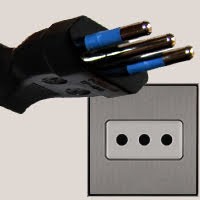
Type L: used almost exclusively in Italy & Chile. Also compatible with plug type C
Your need for a power plug adapter depends on the power plugs used in your own country. Visitors from abroad will need an adaptor for appliances that have been brought from home, such as laptops, hairdryers and phone chargers. Most hotels will have two-pronged European-style sockets for shavers only. What you need to keep you covered is a Worldwide travel adapter, check out what i’m currently using on my travels here. I always travel light and my adaptor stays in my bag all the time. It doesn’t matter where you go in the world this will have you covered and will keep you charged up and ready to go.
- Book your tickets in advance or you’ll be queuing for some time.
- While tipping in Italy is not mandatory and not expected like in some other countries, it is considered polite to leave a small tip for good service in restaurants, bars, and hotels, especially in tourist areas, usually around 10% of the bill; however, you can simply round up the check to leave a small gratuity if you wish to tip.
- If many dishes have an asterisk after them, hightail it out of there. Asterisks in Italy mean that one or more items are frozen.
- Be wary of people selling discounted tickets on the street. Chances are they are fake so always buy tickets from reputable sellers only.
- Beware of Pick pockets. Don’t use your phone when the metro doors are open, They’ll grab it and run out just as the doors are closing.
- If you take a taxi somewhere, make sure the driver uses the meter so you don’t get ripped off.
- It’s obligatory to wear seat belts (front and rear), to drive with your headlights on outside built-up areas, and to carry a warning triangle and fluorescent safety vest in case of breakdown. Wearing a helmet is compulsory on all two-wheeled vehicles.
- When driving in historic centres you should also keep an eye out for the ZTL signs. A zona a traffico limitato is an area where non-residents are not allowed to enter with a car. Such areas are common, although typically only active during the day. Entering a ZTL translates into a guaranteed fine.
- Italy is not an easy country for travellers with disabilities. Cobblestone streets and pavements blocked by parked cars and scooters make getting around difficult for wheelchair users.
- If you plan on driving remember to download offline maps so you can still get around without signal.
- If you experience an emergency dial 113 for assistance.


 Ricoh Theta Z1
Click here for more accessories

If you found this helpful, please like and follow my social pages
 183
183

 217
217


 813
813 271
271


Click here to Explore More of the UK in 360º
Originally Publish on: 11 March 2025 at 19:28